
- All
- Product Name
- Product Keyword
- Product Model
- Product Summary
- Product Description
- Multi Field Search
Views: 0 Author: Site Editor Publish Time: 2026-01-27 Origin: Site
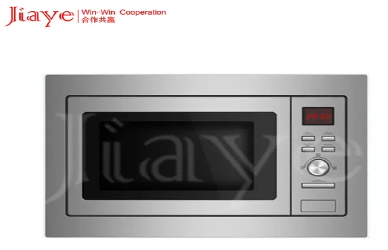
A drawer microwave oven is a modern and space-efficient alternative to traditional countertop or built-in microwaves. Its innovative design allows the microwave to open like a drawer, offering both convenience and a sleek, integrated look. As kitchens become more compact and multifunctional, drawer microwaves are gaining popularity for their ability to save space and blend seamlessly into cabinetry. While they offer unique advantages, such as easier access and a tidy appearance, many wonder whether a drawer microwave can be installed in any kitchen. In this article, we’ll explore the installation requirements, benefits, and limitations of drawer microwave ovens to help you determine if this appliance is right for your kitchen.
A drawer microwave oven is a type of microwave that is installed within kitchen cabinetry and opens like a drawer, rather than swinging open like a traditional door. This unique design provides a more convenient and ergonomic experience, especially in kitchens with limited counter space or for users who prefer a more seamless, integrated appliance.
Drawer Mechanism: Instead of the typical swinging door, a drawer microwave opens and closes with a sliding motion, similar to a kitchen drawer or dishwasher. This makes it easier to access food without bending over or reaching, offering a more comfortable experience, especially for those with mobility challenges.
Built-In Installation: Like built-in microwaves, drawer models are installed directly into kitchen cabinetry, saving countertop space. They are designed to fit into custom or pre-existing cabinet configurations, providing a sleek, clean look.
Capacity: While the size of drawer microwaves varies, they are typically more compact than traditional built-in microwaves, although some larger models offer generous interior space.
Countertop Microwaves: Traditional countertop models are freestanding and sit on the kitchen counter, taking up valuable space. While they are more portable and easier to install, they don’t offer the same space-saving benefits as drawer models.
Built-In Microwaves: Like drawer microwaves, built-in models are installed within cabinetry for a more integrated look. However, built-in microwaves typically open with a swing door, which can require bending down or reaching high to access the food, while drawer models slide out horizontally, providing more ergonomic access.
Space Efficiency: Drawer microwaves take up less visible space, freeing up countertop and cabinet areas. Their horizontal opening is ideal for situations where countertop space is limited or when you want a more seamless, modern kitchen design.
Installing a drawer microwave oven involves several key considerations to ensure it functions properly and seamlessly integrates into your kitchen. Here are the essential installation requirements:
Cabinet Space: Drawer microwaves require a dedicated space within your kitchen cabinetry. You’ll need to ensure there is sufficient room to accommodate the unit’s dimensions. This often means customizing existing cabinetry or ensuring the space matches the microwave’s size.
Height and Width: Drawer microwaves are typically installed under the counter, which means you need to consider the height and clearance of the space to ensure the microwave fits comfortably. The space needs to allow for smooth opening and closing of the drawer, as well as proper air circulation.
Countertop Accessibility: Drawer microwaves don’t take up countertop space, but the cabinet where they are installed needs to be accessible and in a convenient location, typically near food prep areas for easy use.
Electrical Requirements: A drawer microwave requires dedicated power from a standard electrical outlet. Depending on the model, this could involve a 240V circuit rather than the typical 120V. It’s crucial to ensure that the electrical system in your kitchen can support the microwave’s power needs.
Ventilation: Proper ventilation is necessary for the microwave to operate efficiently. Most drawer microwaves come with built-in venting systems, but the cabinet should allow for adequate airflow to prevent overheating. If you’re installing the unit near a wall or closed space, be sure there is enough space for proper ventilation.
Complexity of Installation: Drawer microwaves are more complex to install than countertop models. Due to their built-in nature and the need for precise cabinetry adjustments, professional installation ensures that the microwave fits perfectly within your kitchen design and operates safely.
Electrical and Ventilation Setup: An expert installer can ensure that the electrical connections meet local codes and that ventilation is properly configured. Incorrect installation can lead to potential electrical hazards or poor microwave performance.
Cabinet Modifications: Many kitchens require custom cabinet modifications to fit the drawer microwave. Professional installers have the experience to make these adjustments without compromising the integrity of your cabinets or kitchen layout.

A drawer microwave oven offers a sleek, space-saving design, but installation depends on your kitchen layout, space, and cabinetry. Here’s what to consider:
Drawer microwaves work best in kitchens with custom cabinetry or layouts that allow for easy integration. They are usually installed under the counter and require a horizontal space in the cabinets. Standard cabinets may require adjustments to fit the unit properly.
Drawer microwaves can fit in both small and large kitchens, but in smaller kitchens, they help free up counter space. Larger kitchens need to ensure the microwave is placed in a convenient, accessible spot. Cabinet modifications may be needed in both cases.
Installing a drawer microwave may require modifying existing cabinetry, such as cutting or adjusting shelves. Some kitchen renovations might be necessary to create space for the unit.
A drawer microwave oven offers several advantages, making it an appealing choice for modern kitchens, especially when space, convenience, and design are important factors. Here are the main benefits:
Drawer microwaves are perfect for maximizing kitchen space, particularly in smaller kitchens where counter space is at a premium. Since the microwave is installed within the cabinetry, it frees up valuable countertop space, allowing for more room to prepare food and store other kitchen items. This is especially useful in apartments, condos, or kitchens with limited surface area.
Drawer microwaves are more ergonomically accessible, as they open like a drawer, making it easier to place and retrieve items without bending down or reaching up. This is particularly beneficial for individuals with mobility issues, such as those who may find it challenging to bend or stretch to use a traditional microwave. The horizontal opening ensures better access to the microwave’s contents, reducing strain and discomfort.
Installing a drawer microwave can give your kitchen a sleek, contemporary look. Its built-in design seamlessly integrates with your cabinetry, creating a clean, minimalist aesthetic. This modern feature can elevate the overall style of the kitchen, giving it a high-end, organized appearance. The drawer mechanism adds a touch of sophistication while maintaining functionality.
Yes, drawer microwave ovens typically require custom cabinetry or modifications to existing cabinets to fit the appliance properly. The cabinet needs to provide enough space for the microwave’s dimensions and ensure smooth operation.
Yes, drawer microwaves are generally more expensive to install than traditional models due to their complex installation. They require professional help for both electrical setup and cabinet modifications, which increases the overall cost.
The higher installation cost comes from the need for specialized cabinetry, electrical wiring adjustments, and ventilation requirements. Professional installation ensures proper fit and safety, which adds to the cost.
Yes, drawer microwaves can be installed in lower cabinets, provided there’s adequate clearance for the unit to open fully. The cabinet space must be deep enough to accommodate the microwave’s height and width.
The minimum space required for installation depends on the microwave's dimensions. Typically, you need at least 30 inches of cabinet space for the unit’s width, height clearance for the drawer’s full opening, and ventilation space for safe operation. Always check the manufacturer’s installation guide for specific measurements.
In conclusion, while drawer microwave ovens offer significant advantages in terms of space-saving, ease of use, and modern design, they may not be suitable for every kitchen. These appliances work best in kitchens with custom or adaptable cabinetry and are ideal for those looking to free up countertop space. However, they do require professional installation and may involve modifications to existing cabinetry, making them a more expensive option. If your kitchen has limited space or you have mobility concerns, a drawer microwave can be a great choice. On the other hand, if your kitchen layout does not allow for easy installation or you’re on a tight budget, a traditional countertop or built-in microwave might be a better fit. Ultimately, your choice should depend on your kitchen's size, your aesthetic preferences, and your willingness to invest in the necessary modifications and installation.


