
- All
- Product Name
- Product Keyword
- Product Model
- Product Summary
- Product Description
- Multi Field Search
Views: 0 Author: Site Editor Publish Time: 2026-01-26 Origin: Site

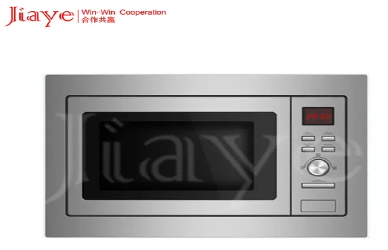
A convection microwave oven is a versatile kitchen appliance that combines the quick heating power of a microwave with the even cooking capabilities of convection. This dual functionality allows it to perform a variety of cooking tasks, including reheating, defrosting, grilling, and baking. The convection feature uses a fan and heating element to circulate hot air, much like a traditional oven, enabling it to bake and roast food at a fraction of the time and energy. This makes convection microwave ovens an excellent choice for those looking for a compact, all-in-one appliance that offers convenience without compromising on cooking versatility. Whether you're baking a cake, cooking a roast, or simply reheating leftovers, a convection microwave oven can handle it all efficiently.
A convection microwave oven is a versatile kitchen appliance that combines the rapid cooking capabilities of a microwave with the even, dry heat of a convection oven. This fusion of technologies allows the appliance to not only heat food quickly but also to bake, roast, and grill just like a traditional oven.
Microwave Heating: The microwave function uses electromagnetic waves to excite water molecules in food, quickly heating or cooking it from the inside out. This makes it perfect for tasks like reheating leftovers, defrosting frozen food, or cooking dishes that need rapid heat.
Convection Cooking: The convection mode uses a fan and a heating element to circulate hot air around the food, ensuring even cooking and browning. This method is typically used for baking, roasting, and grilling, giving food a crispy, golden texture similar to that of a conventional oven.
Microwave Heating: Ideal for quick reheating, defrosting, and cooking simple meals or snacks.
Convection Baking: Allows you to bake cakes, pastries, and other oven-based foods more efficiently, using a combination of microwave and convection heat.
Grilling: Some convection microwave ovens come with grilling features, providing an option for grilling meat, vegetables, or even toasting bread, giving food a delicious, crisp exterior.
Yes, you can bake in a convection microwave oven. This appliance combines the best of both worlds: the speed of microwave cooking and the even, dry heat of convection baking.
The convection function in a microwave oven uses a fan and a heating element to circulate hot air around the food. This creates an environment similar to a traditional oven, allowing for even cooking and browning. The circulating air ensures that food is cooked evenly, without the sogginess sometimes caused by microwave heating alone. This feature is perfect for baking, as it mimics the results you would typically get in a conventional oven—crispy, golden exteriors with moist interiors.
When compared to traditional ovens, convection microwave ovens have several advantages:
Speed: Convection microwaves cook much faster than conventional ovens due to their smaller size and the added microwave heating. For example, baking a cake or roasting vegetables can be done in a fraction of the time.
Energy Efficiency: Because convection microwave ovens are smaller and use less energy, they are more energy-efficient than larger traditional ovens.
Convenience: A convection microwave is more compact and versatile, offering multiple cooking methods in one appliance, making it perfect for small kitchens or those who want to save space.
However, while convection microwave ovens offer quick and efficient baking, they may not match the exact results of a traditional oven, especially for larger or more complex baking tasks. Traditional ovens typically offer more space and can achieve a more uniform cooking environment for certain delicate recipes.
Baking in a convection microwave oven offers several advantages, making it an appealing choice for those seeking efficiency, convenience, and versatility in the kitchen.
One of the primary benefits of using a convection microwave oven for baking is the speed. Traditional ovens often take a longer time to preheat and cook food, whereas convection microwave ovens combine microwave heating with convection cooking, drastically reducing cooking times. For instance, baking a cake or roasting vegetables can be completed in a fraction of the time it would take in a conventional oven, making it perfect for busy schedules.
Convection microwave ovens are smaller and more compact than traditional ovens, which makes them inherently more energy-efficient. Because they take less time to heat up and cook food, they use significantly less energy, making them a more eco-friendly and cost-effective option. This is particularly beneficial for those looking to reduce their energy consumption without compromising on cooking performance.
Convection microwave ovens are designed to be user-friendly and easy to clean. With fewer components than traditional ovens, they often feature simple controls and settings, allowing for quick and efficient operation. Additionally, they are multi-functional—capable of baking, microwaving, grilling, and even roasting. This all-in-one functionality eliminates the need for multiple appliances, saving both space and effort. Cleaning is also more straightforward, as the compact design and smooth surfaces reduce mess and food buildup.
While convection microwave ovens offer many advantages, there are also some limitations that you should consider before using them for baking.
One of the main drawbacks of convection microwave ovens is their smaller size. Due to their compact design, they have a limited cooking capacity, which can make it challenging to bake large items like roasts, multiple trays of cookies, or large cakes. If you often bake for a big family or entertain guests, a full-sized oven may be more suitable for your needs.
While convection microwave ovens can bake many types of food, they may not always provide the same quality of baking as traditional ovens. For example, delicate pastries or bread may not rise as evenly, and certain baked goods might lack the same crispiness or texture that a conventional oven provides. The rapid cooking time and intense heat circulation may affect the final result, especially for dishes that require slow, consistent baking.
Using a convection microwave oven may involve a learning curve. It takes time to understand the right settings for different dishes, as well as how to adjust cooking times and temperatures. Convection microwave ovens often combine multiple cooking modes (microwave, convection, grill), and mastering how to use each mode effectively for baking requires some experimentation. As a result, you may need to invest time in figuring out how to get the best results for your favorite recipes.
A convection microwave oven offers great versatility for baking a variety of dishes. While it may not replace a traditional oven for all baking needs, it excels in preparing smaller portions or dishes that benefit from faster cooking times. Here are some of the best foods to bake in a convection microwave oven:
Convection microwave ovens can bake cakes quickly and evenly. The combination of microwave and convection heat ensures a moist interior and a golden exterior in less time than a traditional oven. Whether it’s a sponge cake, pound cake, or quick bread, you can achieve great results with the convection feature.
Pastries like croissants, danishes, and pies bake well in a convection microwave. The hot air circulation ensures an even crispness, and the microwave feature allows you to speed up the process, making them ideal for busy mornings or when you're craving a quick treat.
Making pizza in a convection microwave oven is fast and easy. The convection setting helps to crisp the crust while the microwave heats the toppings quickly. You can bake a personal-sized pizza or even reheat leftover pizza with great results. The combination of cooking methods delivers a crispy crust and perfectly melted cheese.
Cookies, including chocolate chip or sugar cookies, can be baked in a convection microwave oven in a fraction of the time it takes in a traditional oven. The convection feature ensures the cookies bake evenly, with a soft center and slightly crisp edges. The quick cooking time makes them an excellent choice for a fast baking session.
In addition to cakes and cookies, muffins, cupcakes, and brownies are also great options for convection microwave baking. These smaller baked goods cook efficiently, and the even heat from the convection feature helps produce consistent results.
Microwave mode uses electromagnetic waves to heat food quickly, while convection mode circulates hot air around food for even cooking and browning, similar to a traditional oven.
Yes, you can bake cakes in a convection microwave oven. The convection feature ensures even baking, producing a moist interior and golden crust.
Smaller sizes may limit baking capacity, making it harder to bake large items like roasts or multiple trays of cookies.
While it can handle many baking tasks, it may not replace a traditional oven for larger or more delicate dishes due to size and cooking style differences.
In conclusion, convection microwave ovens offer a versatile and efficient option for baking, particularly for those with limited space or time. They combine the speed of microwave cooking with the even heat distribution of convection, allowing you to bake cakes, pastries, pizzas, and cookies quickly and with satisfying results. However, they are best suited for smaller portions and dishes that benefit from faster cooking times. While convection microwaves excel in convenience and energy efficiency, they may not fully replace traditional ovens, especially for larger or more delicate baking tasks. For everyday baking or smaller meals, a convection microwave oven can be a fantastic, space-saving alternative. For larger, more intricate dishes, a traditional oven may still be the better choice.


