
- All
- Product Name
- Product Keyword
- Product Model
- Product Summary
- Product Description
- Multi Field Search
Views: 0 Author: Site Editor Publish Time: 2025-09-12 Origin: Site
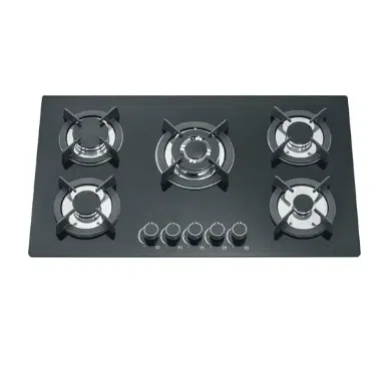
When designing or upgrading a kitchen, one of the most important decisions revolves around choosing the right hob. With a variety of options available—electric, induction, and gas—it’s essential to consider functionality, efficiency, and convenience. Among these, the gas hob continues to be a popular choice for homeowners and professional chefs alike. Its precise control, immediate heat response, and versatility make it an ideal solution for both everyday cooking and gourmet preparation.
Before diving into the benefits of a gas hob, it’s worth briefly reviewing the primary types of hobs available:
Electric Hobs
Electric hobs use resistive heating elements to cook food. While they offer a sleek, flat surface and are relatively easy to clean, they heat more slowly and may lack the immediate temperature control that some recipes require.
Induction Hobs
Induction hobs use electromagnetic fields to heat the cookware directly. They are highly energy-efficient, fast, and precise. However, they require compatible cookware and can be more expensive upfront.
Gas Hobs
Gas hobs burn natural gas or propane, producing an open flame. This method offers instant heat, precise temperature adjustment, and the flexibility to use any type of cookware.
Among these, gas hobs strike a balance between performance, versatility, and affordability, making them a preferred choice for many households.
One of the main benefits of a gas hob is its instant heat. When you turn on the flame, it immediately heats your cookware, reducing cooking times. Unlike electric hobs that may take several minutes to reach the desired temperature, gas allows for precise, real-time adjustments. Whether simmering delicate sauces or searing meat at high heat, gas hobs provide unparalleled control.
Gas hobs are renowned for their remarkable versatility, making them a top choice for both everyday cooking and gourmet culinary tasks. The open flame provides immediate and consistent heat, allowing for precise control over cooking temperatures, which is essential for a wide range of techniques.
Sautéing and Stir-Frying: The flames heat the pan evenly, ensuring that ingredients cook uniformly. This is especially useful for quick-cooking methods like stir-frying, where maintaining high, consistent heat prevents food from steaming rather than frying.
Boiling and Simmering: Gas hobs allow chefs to fine-tune the intensity of the flame, making it easy to bring liquids to a rapid boil or maintain a gentle simmer for delicate sauces, soups, and stews. The instant adjustability ensures that sauces don’t overcook or scorch.
Grilling and Searing: For searing meats or grilling vegetables indoors, gas hobs can quickly reach high temperatures, locking in juices and enhancing flavor. The ability to instantly boost or reduce heat provides control that electric or induction hobs may struggle to match.
Additionally, gas hobs are compatible with virtually any type of cookware—stainless steel, aluminum, copper, or cast iron—without concerns about magnetic properties or surface compatibility. This flexibility allows home cooks and professionals alike to use their preferred pans and pots, enhancing cooking efficiency and creativity.
Gas hobs are often more economical to operate than electric or induction options, especially in areas where natural gas is less expensive than electricity. They also typically have a lower initial purchase cost, making them accessible for homeowners looking to balance quality and budget.
A gas hob doesn’t rely solely on electricity (except for ignition in some models), making it highly reliable during power outages. In regions with frequent electricity interruptions, this can be a significant advantage, ensuring that cooking can continue without disruption.
Gas hobs are generally built to withstand heavy daily use. High-quality models often feature stainless steel finishes and cast iron grates that can endure years of cooking without significant wear. Regular maintenance, such as cleaning burners and checking gas lines, ensures that a gas hob remains reliable for many years.
While gas hobs offer many advantages, there are several factors to consider before installation:
Consider your household’s cooking habits. A standard gas hob usually has 4 burners, but models with 5 or 6 burners are available for larger families or those who frequently entertain. Multiple burners allow simultaneous cooking of multiple dishes, saving time and improving kitchen efficiency.
Burners come in different power ratings, typically ranging from 1 kW to over 5 kW. High-power burners are ideal for quick boiling and stir-frying, while low-power burners are suitable for simmering and delicate cooking. Choosing a hob with a combination of high and low-power burners maximizes versatility.
Modern gas hobs include safety enhancements such as:
Flame failure devices: Automatically cut off the gas supply if the flame goes out, preventing leaks.
Child lock functions: Prevent accidental ignition in households with children.
Sturdy grates: Reduce the risk of pots tipping over.
Ensure that the gas hob fits your countertop dimensions. Built-in models integrate seamlessly into kitchen surfaces, while freestanding units may be suitable for more flexible layouts. Professional installation is recommended to ensure proper gas connections and compliance with safety regulations.
Gas hobs can have multiple components, including burners, grates, and drip trays. Choosing a model with removable and dishwasher-safe parts simplifies cleaning. Stainless steel surfaces or enamel finishes are durable and easy to maintain.
To maximize the lifespan and performance of a gas hob:
Regularly clean burners and grates to prevent clogs.
Check gas connections periodically for leaks.
Avoid using abrasive cleaners that could damage finishes.
Inspect ignition systems and replace batteries or components as needed.
By keeping the hob well-maintained, you ensure consistent performance, safety, and longevity.
While induction and electric hobs have their own advantages—energy efficiency, smooth surfaces, and digital controls—gas hobs remain the favorite for many reasons:
Speed and responsiveness: Gas heats instantly and cools down quickly.
Versatility: Compatible with any cookware type.
Affordability: Lower upfront and operational costs in many regions.
Reliability: Functions even during power outages.
For homeowners who prioritize control, adaptability, and hands-on cooking, a gas hob is often the superior choice.
While natural gas is a fossil fuel, modern gas hobs are designed to burn efficiently, minimizing emissions. For environmentally-conscious users, pairing a gas hob with efficient ventilation systems or exploring hybrid kitchen setups (gas and induction) can reduce environmental impact without compromising cooking quality.
Choosing the right hob for your kitchen is about balancing convenience, efficiency, safety, and personal cooking preferences. Gas hobs stand out for their instant heat, precise control, versatility, and reliability. With proper installation and maintenance, they provide a durable, cost-effective solution that meets the needs of home cooks and professional chefs alike.
For those seeking high-quality, reliable gas hobs, Zhongshan Jiaye Electric Appliance Technology Co., Ltd. offers a range of products designed to enhance your kitchen experience. Their expert team can help you select the perfect hob that combines safety, performance, and style, ensuring a seamless and enjoyable cooking journey.


