
- All
- Product Name
- Product Keyword
- Product Model
- Product Summary
- Product Description
- Multi Field Search
Views: 0 Author: Site Editor Publish Time: 2026-01-20 Origin: Site

When choosing a microwave, one of the key decisions is whether to go for a built-in or a countertop model. Both options serve the same basic purpose—heating and cooking food—but they differ significantly in terms of installation, design, functionality, and space usage. Built-in microwaves are integrated into kitchen cabinetry or walls, offering a sleek, seamless appearance while saving valuable counter space. On the other hand, countertop microwaves are free-standing units that sit on the counter, offering portability and ease of installation. In this article, we’ll explore the key differences between these two types of microwaves to help you determine which one suits your kitchen needs and lifestyle best.
A built-in microwave oven is a type of microwave that is designed to be seamlessly integrated into the kitchen’s cabinetry or wall spaces. Unlike traditional countertop microwaves, built-in models are permanently installed within the kitchen structure, providing a sleek and modern appearance. These microwaves are typically installed at eye level or under counter cabinets, making them both convenient and space-efficient.
Built-in microwaves are crafted to fit within custom-designed spaces in your kitchen. They can be installed in upper cabinets, lower cabinets, or even within a wall unit, depending on your kitchen’s layout and design preferences. This integration often requires professional installation to ensure the microwave fits perfectly and connects to the appropriate electrical outlets and ventilation systems. They often come with a trim kit that ensures a seamless fit and hides any gaps between the appliance and surrounding cabinetry.
One of the main advantages of a built-in microwave is its clean, streamlined design. Since it is integrated into the cabinetry, it remains hidden, contributing to a more sophisticated and minimalist kitchen aesthetic. This type of microwave allows you to free up valuable counter space, giving your kitchen a more organized and spacious feel. Additionally, built-in models often offer high-end designs and features, which can complement modern kitchen styles and provide a more luxurious touch. The hidden nature of the appliance also reduces clutter and makes the kitchen look more refined.
A countertop microwave is a free-standing microwave unit that sits directly on your kitchen counter, making it one of the most common and accessible types of microwaves. Unlike built-in models that are integrated into cabinetry, countertop microwaves are portable and can be placed anywhere with a power source. They offer flexibility and ease of use, making them ideal for various kitchen sizes and configurations.
Countertop microwaves are highly versatile and can be moved easily to different locations in your kitchen or home. This makes them perfect for renters or those who like to rearrange their kitchen layout. The portability of these microwaves means they don’t need permanent installation, allowing you to use them wherever there's an available outlet.
One of the biggest advantages of countertop microwaves is their ease of installation. Simply place the unit on a counter, plug it into a standard power outlet, and you're good to go. This straightforward setup process makes countertop microwaves the perfect choice for anyone who values convenience and quick installation.
When deciding between a built-in microwave and a countertop microwave, there are several factors to consider. These two types of microwaves differ in terms of installation, space usage, design, portability, and price. Here’s a breakdown of their key differences:
Built-in Microwaves: These units require professional installation to integrate them into your kitchen’s cabinetry or wall spaces. The installation process involves creating a custom space and connecting the microwave to electrical outlets, often requiring specific design work.
Countertop Microwaves: These are plug-and-play appliances. You simply place the microwave on a countertop and plug it into a standard electrical outlet, making them easy to set up without the need for professional help.
Built-in Microwaves: They are space-saving because they are integrated into the kitchen design, freeing up valuable counter space. This is especially beneficial in smaller kitchens or for those looking for a clean, organized look.
Countertop Microwaves: These models occupy countertop space, which can limit available room for other kitchen tasks or appliances. They are better suited for larger kitchens where counter space isn’t a concern.
Built-in Microwaves: Offer a sleek, integrated look, blending seamlessly into the kitchen’s design. They contribute to a modern and high-end aesthetic, often used in contemporary or custom-designed kitchens.
Countertop Microwaves: Typically have a bulkier, more noticeable appearance. They sit on the counter and may stand out in the kitchen, which could be a downside for those seeking a more minimalist or streamlined look.
Built-in Microwaves: Once installed, they are fixed in place and cannot be moved. This makes them a more permanent choice and less flexible if you want to change your kitchen layout.
Countertop Microwaves: Portable and easy to move, allowing you to relocate them as needed. This flexibility is ideal for people who like to rearrange their kitchen or who need the microwave to serve different spaces.
Built-in Microwaves: Generally, more expensive due to the complexity of installation and the high-end design. The cost can include both the appliance itself and professional installation.
Countertop Microwaves: Typically more affordable because they are simpler, don’t require installation, and are designed for convenience and ease of use.
A built-in microwave oven offers several benefits, especially in terms of design and space-saving, but also comes with some trade-offs. Here’s a quick overview of its pros and cons.
Saves Counter Space
Built-in microwaves are integrated into cabinetry, freeing up counter space, which is especially useful in small kitchens.
Aesthetic, Seamless Look
Their sleek, integrated design gives your kitchen a modern, high-end appearance, blending well with your cabinetry.
Can Integrate with Custom Cabinetry
These microwaves can be customized to fit your kitchen’s design, providing a more cohesive look.
Higher Cost
Built-in models are generally more expensive due to design and installation requirements.
Requires Installation
Unlike countertop models, built-in microwaves need professional installation, adding both cost and time.
Less Flexible (Not Easily Moved)
Once installed, built-in microwaves are fixed in place and not easily relocated.
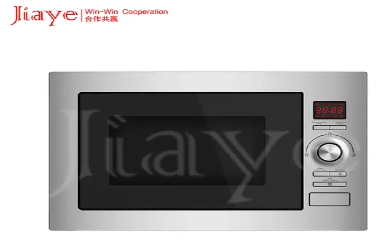
Countertop microwaves are a popular and convenient choice for many kitchens. Here’s a breakdown of their pros and cons.
Affordable
Countertop microwaves are generally more budget-friendly than built-in models, offering a cost-effective solution for those looking for a basic, functional appliance.
Easy to Install and Move
These microwaves are plug-and-play. Simply place them on a countertop, plug them in, and they’re ready to use. Additionally, they are portable and can be easily moved to different spots in your kitchen or home.
Flexible for Various Kitchen Sizes
Countertop microwaves come in a variety of sizes and power levels, making them versatile enough for both small and larger kitchens.
Takes Up Counter Space
One of the main downsides is that countertop microwaves occupy valuable counter space, which can be a concern in smaller kitchens with limited room.
Bulkier Appearance
These microwaves can be bulkier and more noticeable, which might disrupt the streamlined, minimalist look some people prefer in their kitchen design.
Choosing between a built-in and countertop microwave depends on kitchen space, budget, and design preferences. Here’s a quick guide:
Built-in Microwave: Perfect for kitchens with limited counter space. It integrates seamlessly into cabinetry, freeing up counter area.
Countertop Microwave: Works best in kitchens with ample counter space. It’s portable and easy to move around.
Built-in Microwave: More expensive, both for the unit and professional installation.
Countertop Microwave: More affordable and doesn’t require installation, making it a great budget-friendly choice.
Built-in Microwave: Ideal for those seeking a seamless, high-end design. It blends well with custom cabinetry for a sleek, modern look.
Countertop Microwave: More visible and bulky but offers flexibility in style and finish to match different kitchens.
Built-in Microwaves are great for:
Small kitchens or those with limited counter space.
People seeking a modern, integrated aesthetic.
Those willing to invest in installation.
Countertop Microwaves are perfect for:
Larger kitchens with plenty of counter space.
Renters or those needing portability.
Budget-conscious buyers.
Built-in microwaves can be installed in most kitchens, but they require sufficient space and proper cabinetry for integration. Professional installation may be needed.
It can fit in existing cabinetry if the space matches the microwave's dimensions, but custom installation may be required for a seamless look or non-standard sizes.
Built-in microwaves are generally similar in energy efficiency to countertop models. Energy consumption depends more on the microwave’s size and power, not its installation type.
No, built-in microwaves don’t consume significantly less energy than countertop models. Both are designed to be efficient, but energy use depends on the appliance's power rating.
In conclusion, choosing between a built-in and a countertop microwave depends on your specific kitchen needs and preferences. Built-in microwaves offer a sleek, integrated design that saves counter space and creates a modern, high-end look. They are perfect for those with limited counter space or for those seeking a permanent, stylish solution, though they come at a higher price and require professional installation. On the other hand, countertop microwaves are more affordable, portable, and easy to install, making them ideal for those with ample counter space or who prefer a flexible, budget-friendly option. Ultimately, if you prioritize aesthetics and have the budget for installation, a built-in microwave is a great choice. If you need an easy, cost-effective solution, a countertop microwave is the way to go.


