
- All
- Product Name
- Product Keyword
- Product Model
- Product Summary
- Product Description
- Multi Field Search
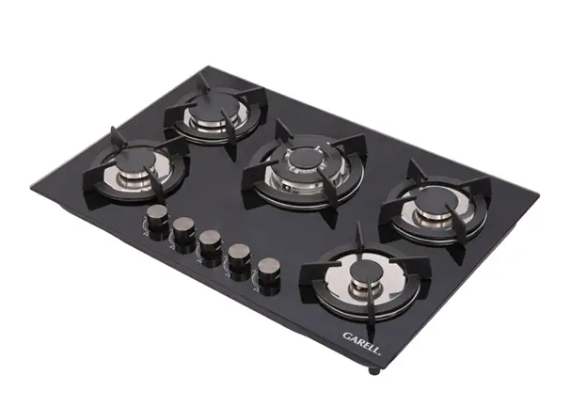
Are you unsure whether to choose a hob or a stove for your kitchen? Many homeowners face this dilemma when upgrading their cooking appliances. Understanding the key differences between a hob and a stove can help you make an informed decision.
In this post, we’ll explore the unique features of both appliances, comparing their designs, functionality, and safety. By the end, you'll know which option suits your kitchen and cooking style best.
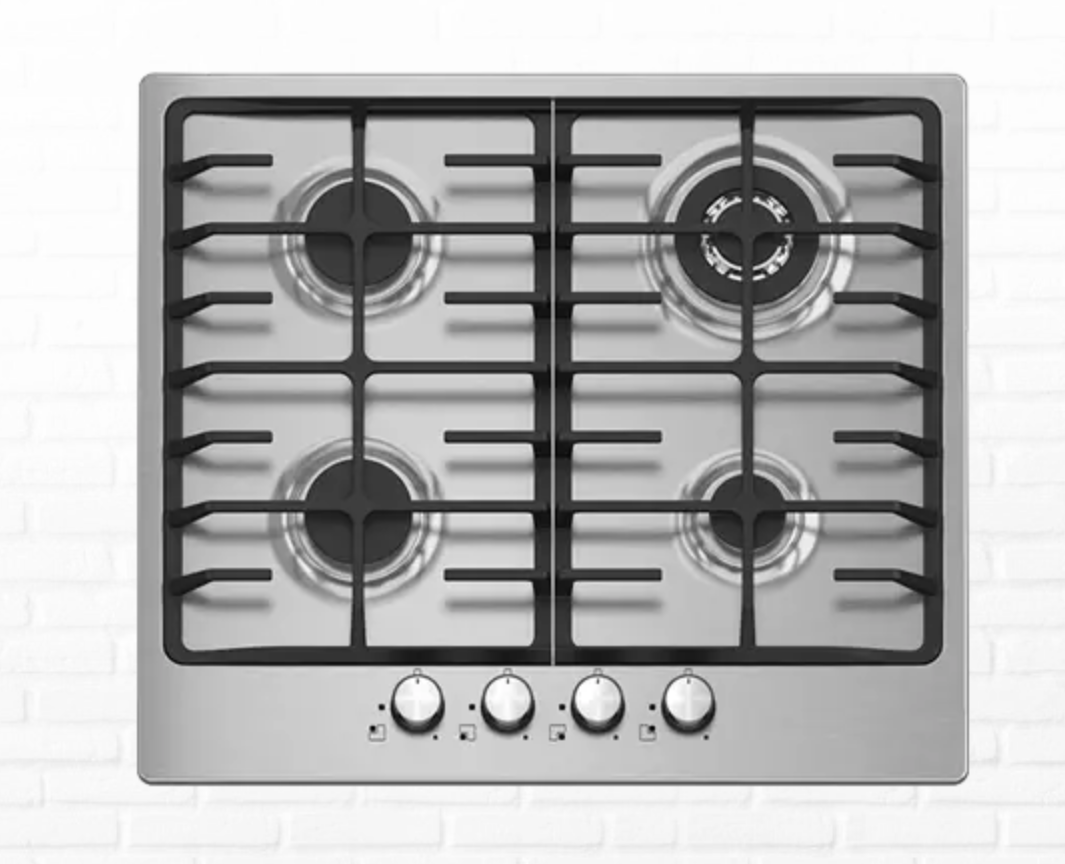
A hob is a cooking appliance typically installed flush with the kitchen countertop. Unlike traditional stoves, hobs do not include an oven, making them a more compact and streamlined cooking solution. They consist of burners or heating elements, which can vary in number and configuration depending on the design.
There are three main types of hobs:
Gas hobs use gas burners to generate heat. They provide quick adjustments and even heat distribution, making them a popular choice for many cooks.
Electric hobs use electricity to heat metal coils or ceramic plates beneath the cooking surface. They tend to heat up more slowly but are easier to clean than gas hobs.
Induction hobs use electromagnetic energy to heat only the cookware, making them the most energy-efficient and fastest-heating option.
Materials commonly used in hobs include glass-ceramic, which offers a smooth and easy-to-clean surface, and stainless steel, known for its durability and sleek look. Glass-ceramic hobs are often chosen for their modern appearance and simplicity.
Hobs are designed to be built-in, providing a clean, seamless integration into your kitchen counter. This built-in feature distinguishes them from free-standing stoves, which combine a cooktop and an oven in one unit.
One major advantage of modern hobs is their safety features. Many come equipped with auto shut-off systems, ensuring the burners turn off automatically after a set time. Timers and child locks add to the convenience and safety, especially in busy households.
The cooking surface of a hob is typically smooth, which makes it much easier to clean than the grates and burners found on traditional stoves. You can simply wipe the surface after cooking, and you're done.
Hobs offer fuel flexibility. You can find gas, electric, and induction versions, allowing you to choose the one that best fits your cooking preferences and energy efficiency needs.
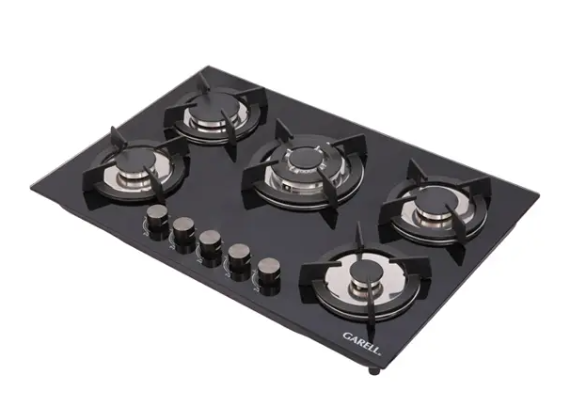
A stove is a versatile cooking appliance commonly found in kitchens. It typically consists of two main parts: the cooktop and an integrated oven. The cooktop is where you can fry, boil, and sauté, while the oven allows for baking, roasting, and broiling. Unlike hobs, stoves combine both stovetop and oven functions in a single appliance.
Stoves have a traditional design where the cooktop and oven are seamlessly integrated into one unit, making them a space-efficient option for cooking. They have been a staple in kitchens for decades and are often chosen for their multi-functionality and ease of use.
Stoves feature a freestanding design, meaning they can be placed anywhere in the kitchen without the need for built-in installation. This design offers flexibility when it comes to placement and is ideal for those who want to move their stove if needed.
One of the main advantages of a stove is its additional oven functionality. You can bake cakes, roast meats, and even broil food with the oven, providing a complete cooking solution. This makes stoves a great option for those who need both a cooktop and an oven in one unit.
Stoves come in a variety of sizes and configurations, ranging from small two-burner units to larger ones with six or more burners. The ovens can also vary in size, allowing you to choose the one that best fits your cooking needs.
In terms of maintenance and cleaning, stoves are generally straightforward. You can clean the cooktop with simple wipes or cleaners, and ovens typically have removable racks, making it easy to clean spills and stains.
| Feature | Hob | Stove |
|---|---|---|
| Design | Built-in, sleek | Freestanding |
| Space Efficiency | Ideal for smaller kitchens | Larger design takes up more space |
| Cooking Function | Stovetop only | Stovetop + oven functionality |
| Heat Control | Quick and precise (especially induction) | Less precise control |
| Safety Features | Advanced (auto shut-off, flame failure protection) | Basic safety features |
| Installation | Requires professional installation | Easy, can be moved or installed without experts |
Hobs have a built-in design, seamlessly integrated into the kitchen countertop. This sleek, modern look requires professional installation to ensure the unit is safely fitted. The built-in design also allows hobs to blend seamlessly with your kitchen’s aesthetics.
In contrast, stoves are freestanding units. They can be easily moved and installed without the need for any specialized fitting. This makes stoves more flexible in terms of placement. Simply connect it to a gas line or plug it in for electric versions.
When it comes to space efficiency, hobs tend to be better for smaller kitchens. Their built-in nature allows them to maximize counter space, leaving more room for other kitchen activities. Stoves, being larger and freestanding, can take up more space in compact kitchens.
Hobs offer quick heat-up times and precise heat control, making them ideal for focused stovetop cooking. With the right settings, you can adjust the heat levels rapidly, which is great for tasks like frying or simmering. Gas and induction hobs, in particular, excel in providing consistent heat distribution.
Stoves, however, provide the added benefit of an integrated oven for multi-purpose cooking. Whether you’re baking, roasting, or broiling, the oven functionality gives you more versatility compared to hobs. However, stoves may not offer the same quick heat control as a hob, especially in traditional gas stoves.
One major difference lies in the burner configuration. Hobs typically have multi-flame burners, allowing for precise control over different cooking zones. Stoves, on the other hand, often come with single-flame burners, which can limit heat distribution compared to the multi-zone control on hobs.
Modern hobs are equipped with advanced safety features like auto shut-off and flame failure protection. These features automatically turn off the burner if the flame is extinguished, ensuring no gas leaks occur. These features significantly enhance safety while cooking.
Stoves usually have basic safety features such as simple temperature control and auto ignition. While they are safe for everyday cooking, they don’t offer the same level of protection as hobs. For example, if the flame goes out on a stove, there may not be an automatic shutdown system.
These safety features on hobs provide more peace of mind, especially for households with children or those who often leave the kitchen unattended. On stoves, you would need to be more cautious and manually monitor the cooking process.
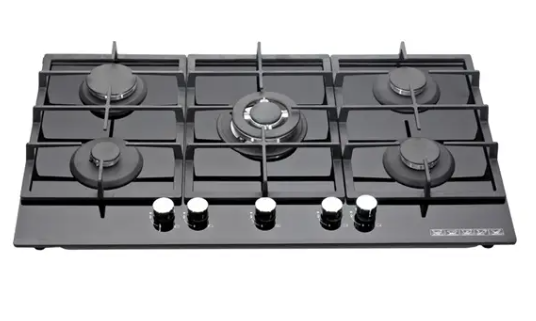
A hob’s sleek and modern design makes it a stylish choice for contemporary kitchens. Its minimalist appearance blends well with any kitchen decor, enhancing the overall aesthetic.
One of the biggest advantages of a hob is its space-saving nature. Since hobs are built-in, they don't take up valuable counter space, making them ideal for smaller kitchens where every inch counts.
Hobs, especially induction hobs, offer enhanced cooking control and efficiency. Induction heating is faster than gas or electric, and it heats only the cookware, not the surrounding air. This results in quicker cooking times and lower energy consumption.
Modern hobs come with advanced safety features. Features like auto shut-off and flame failure protection add a layer of security, making hobs a safer option, particularly in busy households.
Despite their advantages, hobs have a higher upfront cost compared to traditional stoves. The cost of installation and the features offered often make them a more expensive option initially.
Another drawback is that hobs require professional installation. Unlike stoves that can be easily plugged in, hobs need to be built into the countertop, which requires a technician for proper setup.
One of the biggest advantages of a stove is its affordability. Stoves are generally less expensive than hobs, making them a cost-effective choice for most households. Additionally, easy installation means you can set it up without the need for professional help, reducing installation costs.
A stove is incredibly versatile, offering both stovetop and oven-based cooking. You can bake, roast, broil, and cook on the burners all in one unit. This multi-functional capability is especially useful for those who need an all-in-one solution.
Stoves are also easy to maintain and clean. Since the burners and oven are separate from the counter, cleaning up spills and food messes is straightforward. You can remove the burner grates and racks for a more thorough cleaning.
Stoves often come with a bulky design, taking up more kitchen space compared to hobs. The freestanding unit may not be ideal for kitchens with limited space or for those looking for a more streamlined look.
Another downside is less precise heat control. Unlike hobs, which allow you to adjust the heat quickly, stoves generally have more basic flame control, especially for gas versions. This can make cooking tasks like simmering or searing more difficult to manage.
Stoves tend to have fewer advanced safety features. While some models include auto-ignition or basic temperature control, they lack the sophisticated safety systems, like automatic shut-offs, found in modern hobs. This means stoves may not be as safe for unattended cooking.
When choosing between a hob and a stove, kitchen size is a crucial factor. If you're working with a smaller kitchen, a hob is the better option. Its built-in design saves counter space, leaving you more room for other activities. Hobs are sleek and perfect for modern kitchens, fitting seamlessly into the countertop.
For larger kitchens or those with more cooking needs, a stove might be the better choice. Stoves offer both stovetop and oven functionalities, making them ideal for people who need more cooking options and space for preparation.
The type of cooking you do can also determine which appliance is best. Hobs are perfect for quick, precise cooking. If you prefer fast heat-up times and direct control over your cooking, a hob, especially an induction hob, is the way to go. They also offer a modern, minimalist look for your kitchen.
On the other hand, if you often bake, roast, or need a wide range of cooking options, a stove may be better suited to your needs. The oven functionality of a stove makes it more versatile for various cooking techniques like baking cakes, roasting meats, and broiling vegetables.
In terms of cost, hobs usually come with a higher initial cost. However, they can offer great long-term value, especially if you're looking for energy efficiency and sleek design. Induction hobs, in particular, save time and energy while providing precise cooking.
Stoves, by contrast, tend to be more budget-friendly, especially if you don't need the oven functionality. If your cooking mainly involves stovetop tasks and you want to save on upfront costs, a stove is an economical option. It’s a practical choice for those who don’t need advanced features or an integrated oven.
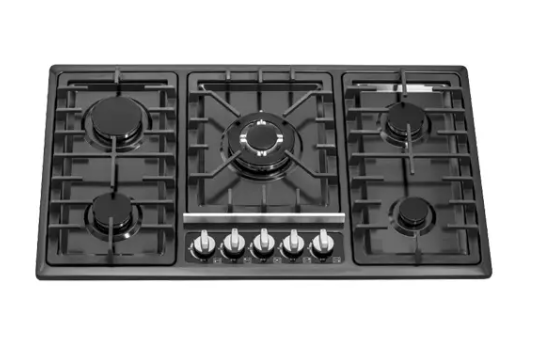
When deciding between a hob and a stove, consider your kitchen space, cooking needs, and budget. Hobs are sleek and space-saving, ideal for modern kitchens and precise cooking. They come with advanced safety features and higher initial costs. Stoves offer more versatility, including oven functionality, and are more budget-friendly. However, they take up more space and have fewer advanced features. Ultimately, choose the one that best suits your style and kitchen requirements.
A: The key difference is that a hob is a built-in cooktop without an oven, while a stove combines a cooktop and an oven in one freestanding unit. Hobs are often more space-efficient, while stoves offer more cooking flexibility.
A: Yes, hobs are versatile and can be used for most stovetop cooking tasks like frying, boiling, and simmering. Induction hobs are particularly fast and energy-efficient, offering precise temperature control.
A: A hob is generally better for smaller kitchens as it saves counter space and integrates seamlessly into the countertop. Its sleek design makes it ideal for compact spaces, while a stove can take up more room.


