
- All
- Product Name
- Product Keyword
- Product Model
- Product Summary
- Product Description
- Multi Field Search
Views: 0 Author: Site Editor Publish Time: 2025-09-25 Origin: Site
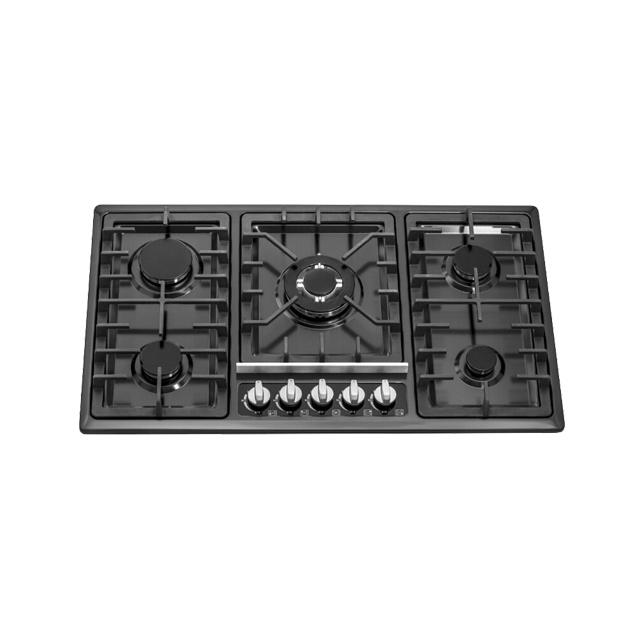
Modern kitchens have evolved far beyond traditional stovetops, embracing sleek, integrated cooking solutions that transform both functionality and aesthetics. At the center of this evolution is the hob—a cooking appliance that's revolutionizing how we approach meal preparation and kitchen design.
Understanding what a hob is and how it differs from conventional cooking methods can help you make informed decisions about your kitchen setup. Whether you're renovating an existing space or designing a new kitchen from scratch, this comprehensive guide will walk you through everything you need to know about hobs, from their basic operation to choosing the perfect type for your cooking needs.
This article explores the definition of a hob, examines various types available, explains how each works, and provides practical guidance for selecting the right one for your kitchen. By the end, you'll have the knowledge needed to make an educated decision about whether a hob is the right cooking solution for your home.
What Is a Hob?
Why Hobs Matter in Modern Kitchens
Types of Hobs
Comparison Table
How Does a Hob Work?
Who Should Choose Which Type?
Installation & Safety Considerations
How to Choose the Right Hob (Buying Guide)
A hob is a flat cooking surface with integrated burners or heating elements that is typically built directly into your kitchen countertop. Unlike traditional freestanding stoves that sit on top of your counter, hobs are permanently installed flush with the surface, creating a seamless, integrated appearance.
The term "hob" has historical roots dating back to when cooking was done over open flames in large fireplaces. However, today's hobs represent a sophisticated evolution of cooking technology, offering precise temperature control, energy efficiency, and sleek aesthetic appeal that traditional stoves simply cannot match.
What distinguishes a hob from a conventional stove or cooktop is its integrated design and installation method. While cooktops are portable units that rest on your counter, hobs become part of your kitchen's infrastructure. This integration offers several advantages: they free up valuable counter space, provide easier cleaning access, and create a more streamlined kitchen appearance.
Modern hobs come in various configurations, from compact two-burner models perfect for small apartments to expansive five-burner units designed for serious home chefs. They can be powered by gas, electricity, or electromagnetic induction, each offering unique benefits for different cooking styles and preferences.
Hobs have become increasingly important in contemporary kitchen design due to their exceptional heat distribution capabilities and precise temperature control. Unlike traditional cooking methods where heat can be uneven or difficult to regulate, modern hobs provide consistent, controllable cooking temperatures that enhance both cooking efficiency and food quality.
The trend toward built-in designs reflects broader changes in how we use our kitchens. Today's kitchens serve multiple functions—they're cooking spaces, social gathering areas, and often the heart of home life. Hobs support this multi-functional approach by creating cleaner lines, reducing visual clutter, and maximizing usable counter space.
Energy efficiency has also driven hob adoption. Many modern hobs, particularly induction models, convert energy to heat more efficiently than traditional gas or electric stoves. This efficiency translates to lower energy bills and reduced environmental impact, making hobs an attractive option for environmentally conscious homeowners.
Contemporary hob designs also incorporate advanced features like touch controls, timer functions, and safety features such as child locks and automatic shutoff systems. These innovations make cooking safer, more convenient, and more enjoyable for home cooks of all skill levels.
Gas hobs operate through direct combustion, providing an open flame that heats cookware from below. This traditional cooking method remains popular among professional chefs and serious home cooks who value the immediate, visible heat control that gas flames provide.
The principle behind gas hobs is straightforward: natural gas or propane flows through pipes to individual burners, where it's ignited to create adjustable flames. Modern gas hobs feature automatic ignition systems that eliminate the need for matches or lighters, making them more convenient and safer to use.
Pros of gas hobs:
Instant heat adjustment with immediate visual feedback
High-temperature capability perfect for searing and wok cooking
Works with any type of cookware
Continues functioning during power outages
Lower operating costs in areas with inexpensive natural gas
Cons of gas hobs:
Heat loss to surrounding air reduces efficiency
More challenging to clean due to grates and burner components
Requires gas line installation or propane tank connection
Open flame poses fire safety considerations
Can produce indoor air pollutants without proper ventilation
Gas hobs excel in situations requiring high heat and rapid temperature changes, making them ideal for techniques like stir-frying, searing steaks, or flambéing.
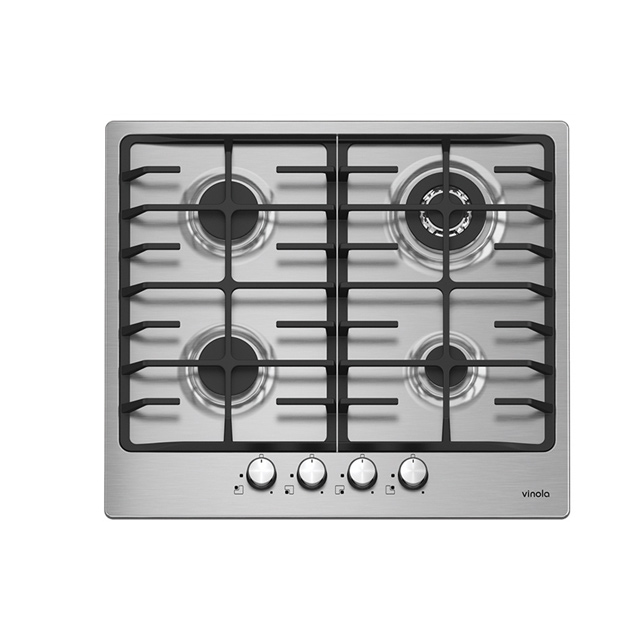
Electric hobs use heated plates or coils beneath a solid surface to transfer heat to cookware through direct contact. These systems rely on electrical resistance to generate heat, which is then conducted to your pots and pans.
Traditional electric hobs feature exposed coil elements that glow red when heated. These elements provide reliable, consistent heat but can be slower to respond to temperature adjustments compared to gas or induction systems.
Pros of electric hobs:
Lower initial purchase and installation costs
Simple operation with straightforward controls
Easy to clean smooth surfaces (on solid plate models)
No need for gas lines or special ventilation
Consistent, even heat distribution
Cons of electric hobs:
Slower heat-up and cool-down times
Less precise temperature control than gas or induction
Higher energy consumption than induction models
Elements remain hot after cooking, creating burn risks
Can be damaged by heavy or dropped cookware
Electric hobs work well for gentle cooking methods like simmering sauces, melting chocolate, or preparing delicate dishes that benefit from steady, consistent heat.
Induction hobs represent the most advanced cooking technology available today. These systems use electromagnetic induction to create heat directly within your cookware, bypassing the need to heat the cooking surface itself.
The principle behind induction cooking involves generating alternating electromagnetic fields beneath the hob's ceramic surface. When magnetic cookware is placed on the surface, these fields induce electrical currents within the pan, causing the cookware itself to become the heat source.
Pros of induction hobs:
Extremely rapid heating and precise temperature control
High energy efficiency with minimal heat loss
Cool cooking surface reduces burn risks and kitchen heat
Easy cleaning due to smooth, flat surface
Advanced safety features including automatic pan detection
Cons of induction hobs:
Requires magnetic cookware (cast iron, magnetic stainless steel)
Higher initial purchase price
May produce noise from cooling fans during operation
Requires dedicated electrical circuit for installation
Can interfere with nearby electronic devices
Induction hobs are perfect for cooks who value precision, safety, and energy efficiency. They excel at both high-heat cooking and delicate temperature-sensitive preparations.
Ceramic hobs combine electric heating elements with a smooth glass-ceramic surface that provides easy cleaning and modern aesthetics. The heating elements beneath the ceramic surface transfer heat through conduction to your cookware.
These hobs use radiant or halogen heating elements sealed beneath a tough ceramic glass surface. The elements heat up and transfer energy through the ceramic surface to your pots and pans.
Pros of ceramic hobs:
Sleek, modern appearance that's easy to clean
Smooth surface prevents food and spills from getting trapped
Works with most types of cookware
More responsive than traditional electric coils
Indicator lights show when surfaces are hot
Cons of ceramic hobs:
Surface shows fingerprints, water spots, and scratches easily
Slower to cool down compared to induction
Can be damaged by heavy impacts or thermal shock
Less energy efficient than induction
Hot surface remains dangerous after cooking
Ceramic hobs appeal to homeowners who want the aesthetic benefits of a smooth cooking surface without the cookware requirements of induction systems.
| Hob Type | Pros | Cons | Best For |
|---|---|---|---|
| Gas | Instant flame control, high heat capability | Heat loss, more cleaning required | Searing, wok cooking, traditional techniques |
| Electric | Low cost, simple operation | Slow response, higher energy use | Budget kitchens, steady-heat cooking |
| Induction | Rapid heating, precise control, efficient | Requires special cookware, higher cost | Tech-savvy cooks, energy-conscious users |
| Ceramic | Stylish appearance, easy cleaning | Shows marks easily, slower cooling | Contemporary designs, smooth-surface preference |
All hobs operate on the basic principle of converting energy into heat and transferring that heat to your cookware. However, the specific mechanisms vary significantly between different types.
Gas hobs work through combustion. Natural gas or propane flows through a network of pipes to individual burners where it mixes with air and ignites, creating an adjustable flame. The flame provides direct heat through convection and radiation, heating the bottom of your cookware and the surrounding air.
Electric hobs use electrical resistance to generate heat. When electricity flows through heating elements, the resistance creates thermal energy that heats the elements. This heat then transfers to your cookware through direct conduction when the pan contacts the heated surface.
Induction hobs employ electromagnetic induction to create heat directly within magnetic cookware. An alternating electrical current in coils beneath the ceramic surface generates rapidly changing magnetic fields. When magnetic cookware is placed on the surface, these fields induce eddy currents within the metal, causing the cookware itself to heat up.
Ceramic hobs combine electric heating elements with a glass-ceramic surface. The elements heat up beneath the ceramic surface, and heat transfers through the ceramic material to your cookware through conduction.
Understanding these different mechanisms helps explain why each type of hob performs differently and why they each work best with certain cooking techniques and cookware types.
Casual home cooks who prepare simple meals occasionally might find electric or ceramic hobs perfectly adequate for their needs. These systems provide reliable, consistent heat without requiring specialized cookware or complex installation requirements.
Enthusiastic home cooks who enjoy experimenting with different techniques often prefer gas hobs for their immediate heat control and high-temperature capabilities. The visual feedback of flame adjustment makes it easier to develop cooking instincts and master heat management.
Professional chefs and serious culinary enthusiasts increasingly choose induction hobs for their precision, speed, and safety features. The ability to make instant, precise temperature adjustments while maintaining a cool, safe cooking surface appeals to those who spend significant time cooking.
Entry-level budgets typically favor electric hobs due to their lower purchase prices and simpler installation requirements. These systems provide basic cooking functionality without requiring gas lines or specialized electrical circuits.
Mid-range budgets can accommodate gas or ceramic hobs, which offer improved performance and aesthetics while remaining relatively affordable to purchase and install.
Premium budgets open up induction options, which provide the best performance and efficiency but require higher initial investment in both the hob itself and compatible cookware.
Small apartments benefit from compact electric or induction hobs that don't require gas line installation and can operate on standard electrical circuits.
Open kitchen designs often feature ceramic or induction hobs that provide sleek, integrated appearances that complement modern design aesthetics.
Commercial or heavy-use settings typically choose gas systems for their durability, high heat output, and independence from electrical supply issues.
Proper installation and safety planning are crucial for any hob installation project. Each type of hob has specific requirements that must be addressed during planning and installation.
Ventilation requirements vary by hob type but are essential for all installations. Gas hobs require adequate ventilation to remove combustion byproducts, while all hobs benefit from range hoods or downdraft systems to remove cooking odors and steam.
Workspace clearance should provide adequate counter space on both sides of the hob for food preparation and hot cookware placement. Most building codes require specific clearances from walls, cabinets, and other appliances.
Countertop material compatibility affects installation options. Some materials handle heat better than others, and certain installations may require heat shields or special cutout techniques.
Modern safety technologies include automatic shutoff systems, child locks, hot surface indicators, and overflow detection. Induction hobs offer additional safety through their cool cooking surfaces and automatic pan detection systems.
Dry-burn protection prevents damage when cookware is left empty on heated surfaces. Many modern hobs include sensors that detect overheating and automatically reduce power or shut off.
Child safety features become increasingly important in family kitchens. Touch controls can be locked, and some systems include child-specific safety modes that prevent accidental activation.
Building codes specify minimum clearances from combustible materials, ventilation requirements, and electrical or gas supply standards. Professional installation ensures compliance with local regulations.
Electrical requirements for induction and electric hobs may necessitate dedicated circuits and specific amperage capabilities. Gas installations require proper pipe sizing and pressure regulation.
Permit requirements vary by location but often apply to gas line modifications or major electrical work associated with hob installations.
Selecting the perfect hob requires careful consideration of your specific needs, cooking habits, and kitchen constraints. A systematic approach to evaluation ensures you choose a system that will serve you well for years to come.
Key Decision Factors
Power levels and heat output determine how quickly you can heat food and how high temperatures you can achieve. Consider your typical cooking methods—do you frequently sear steaks or stir-fry vegetables? High-heat cooking requires more powerful burners.
Number and size of cooking zones should match your typical cooking patterns. Large families or frequent entertainers might need four or five burners, while couples or small households might find two or three burners sufficient.
Timer and automatic features can enhance cooking convenience and safety. Some hobs include built-in timers, automatic heat reduction, and keep-warm functions that can improve your cooking experience.
Surface finish options affect both appearance and maintenance requirements. Stainless steel surfaces complement professional-style kitchens, while black glass surfaces suit contemporary designs. Consider how different finishes will look with your existing kitchen elements.
Energy efficiency ratings impact long-term operating costs. Induction hobs typically offer the highest efficiency, followed by gas, then electric systems. Calculate potential energy savings over the hob's expected lifespan.
Warranty and service support vary significantly between manufacturers. Premium brands often provide longer warranties and better service networks, which can be valuable for complex systems like induction hobs.
Practical Selection Checklist
Before making your final decision, verify these essential compatibility factors:
Measure your cabinet opening precisely to ensure proper fit. Standard hob sizes exist, but custom installations may require specific dimensions.
Verify cookware compatibility especially for induction systems. Test your existing pots and pans with a magnet—if it sticks strongly, they'll work with induction.
Research brand reputation and read user reviews from reliable sources. Look for feedback about long-term reliability, customer service quality, and common issues.
Consider professional installation costs in your budget. Gas and induction installations often require professional services that add to total project costs.
Plan for ventilation needs whether through range hoods, downdraft systems, or natural ventilation through windows. Adequate ventilation is essential for cooking comfort and safety.
What's the difference between a hob and a stove?
A hob is a cooking surface that's built directly into your kitchen countertop, creating a flush, integrated installation. A stove typically refers to a freestanding unit that includes both cooking surfaces and an oven beneath. Hobs offer a more streamlined appearance and easier cleaning access since they don't have gaps where food particles can accumulate.
Is an induction hob safe? How does it prevent burns?
Induction hobs are actually the safest cooking option available. They use electromagnetic fields to heat only magnetic cookware directly, leaving the cooking surface cool to the touch. This eliminates the risk of burns from accidentally touching the cooking surface. Additionally, induction hobs automatically detect when cookware is removed and shut off immediately, preventing wasted energy and overheating.
What's the best way to clean each type of hob?
Gas hobs require removing grates and burner caps for thorough cleaning. Soak these components in warm, soapy water while wiping down the surface with non-abrasive cleaners. Electric and ceramic hobs need only gentle cleaning with soft cloths and mild detergent—avoid abrasive materials that could scratch the surface. Induction hobs are the easiest to clean since spills don't burn onto the cool surface; simply wipe with a damp cloth after cooking.
What ventilation is needed for a built-in hob?
All hobs benefit from proper ventilation, but requirements vary by type. Gas hobs require the most ventilation to remove combustion byproducts and prevent carbon monoxide buildup. Electric and induction hobs need ventilation primarily for steam, smoke, and cooking odors. Range hoods, downdraft systems, or adequate natural ventilation through windows can all provide necessary air circulation.
What should I check before replacing my hob?
Before replacement, measure your existing cutout to ensure the new hob will fit properly. Verify utility connections—switching from gas to electric or vice versa may require new utility lines. Check electrical capacity for induction or high-powered electric models that might need dedicated circuits. Consider cookware compatibility especially when switching to induction. Finally, review local permit requirements as some installations require professional inspection or permits.
You now know what a hob is, the major types available—gas, electric, induction, and ceramic—and how to choose the best one for your cooking style, budget, and kitchen layout.
Read our “Top Kitchen Appliance Brands” article to compare leading manufacturers and find the best fit for your home.
Explore our recommended hob on Jiaye World: View the Hob product to see specifications, customer reviews, and available finishes.


