
- All
- Product Name
- Product Keyword
- Product Model
- Product Summary
- Product Description
- Multi Field Search
Views: 0 Author: Site Editor Publish Time: 2025-09-23 Origin: Site

When designing a kitchen, it's crucial to understand the difference between a hob and a hood. These two appliances play key roles in cooking efficiency and air quality. But how do they differ, and why does it matter?
In this post, we’ll explore the functions of both hobs and hoods, and help you make the best choice for your kitchen setup.
A hob is a kitchen appliance used for cooking food by providing heat to pots and pans. It’s typically built into the countertop or can be a standalone appliance. Hobs are essential for various cooking methods, including frying, boiling, simmering, and stir-frying. They come in different types, offering flexibility to suit various cooking needs.
Types of Hobs:
Gas Hob: Uses gas flames for heating. This provides instant heat control and is preferred by many cooks for its responsiveness.
Electric Hob: Powered by electricity, this type often features coil or glass-ceramic elements.
Induction Hob: Works by creating a magnetic field that heats the pan directly, making it highly energy-efficient.
Each type of hob has its benefits and applications, but all hobs play a crucial role in any modern kitchen, offering precision, reliability, and versatility in cooking.
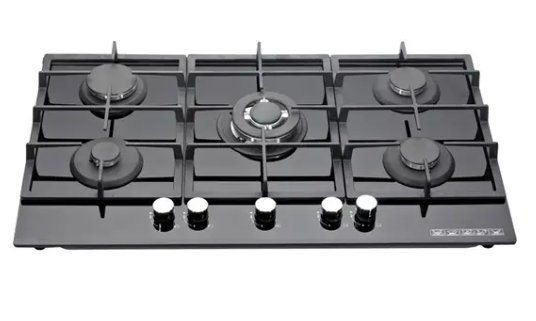
A gas hob uses gas as its primary fuel source, typically natural gas or propane. When the gas is ignited, it produces a flame that heats the cooking surface directly. The flame intensity can be adjusted easily by turning the knobs, offering excellent control over cooking temperatures.
Advantages of Using a Gas Hob:
Instant Heat: Gas hobs provide immediate heat when turned on, making them ideal for quick cooking.
Precise Temperature Control: Cooks can adjust the flame to the desired intensity, ensuring even cooking.
Cost-Effective: Gas tends to be cheaper than electricity, offering lower operating costs.
Gas Hob Design Variations:
Gas hobs come with various burner configurations, from two burners to more than six, depending on your cooking needs.
The design often includes a control system for adjusting the flame, allowing for a high degree of customization in cooking.
Gas Hob vs Electric Hob: While both hobs serve the same function—providing heat for cooking—they differ significantly in their operation and characteristics.
Heating Methods: A gas hob uses open flames, while an electric hob relies on heating elements that warm up through electrical resistance.
Efficiency: Gas hobs tend to have faster heat-up times, but electric hobs, particularly induction types, are more energy-efficient as they heat only the cookware, not the surrounding air.
Cost: Gas hobs are generally more affordable in terms of both installation and ongoing energy costs. Electric hobs, especially induction, may have a higher initial cost but can offer energy savings over time.
| Feature | Gas Hob | Electric Hob |
|---|---|---|
| Heating Method | Flame | Heating Element |
| Heat Control | Instant, precise flame control | Variable heat settings |
| Efficiency | Faster heat, but less efficient | More energy-efficient, slower heat-up |
| Cost | Generally cheaper | Higher initial cost, but energy savings |
A hood, often called a range hood or cooker hood, is a kitchen appliance designed to improve air quality while cooking. Its primary function is to capture and remove smoke, steam, odors, and airborne grease particles that are produced when cooking. Hoods are typically installed above the cooking area, either above a hob or stove, to draw in the polluted air.
Types of Hoods:
Extractor Hood: These are connected to a ventilation duct that expels air outside. They are highly effective at removing smoke, grease, and odors from the kitchen.
Recirculating Hood: This type doesn’t require ducting. Instead, it uses filters to clean the air before recirculating it back into the kitchen.
Downdraft Hood: Installed behind the hob, these hoods pull air downwards, expelling it through ducts or filtering it before it’s recirculated.
A kitchen hood plays an essential role in maintaining air quality, ensuring the cooking environment remains fresh and safe.

A kitchen hood works by drawing in the air around the cooking area, trapping smoke, steam, and grease, and then either expelling it outside or filtering it before recirculating it back into the room.
Basic Operation of a Hood:
The hood’s fan pulls air through the filter, removing unwanted particles.
The air is either vented outside through ducts (in ducted hoods) or filtered using grease and charcoal filters (in ductless hoods).
Cleaned air is either expelled outside or returned to the kitchen.
Ducted vs Ductless Hoods:
Ducted Hoods: These are more efficient at removing pollutants from the kitchen as the air is expelled outside. However, installation can be more complex due to ducting requirements.
Ductless Hoods: Easier to install as they don’t require ducting. They filter air through grease and charcoal filters but may not remove all pollutants, especially in kitchens with heavy cooking.
| Feature | Ducted Hood | Ductless Hood |
|---|---|---|
| Air Filtration | Air is expelled outside | Air is recirculated after filtering |
| Installation | More complex (requires ducts) | Easier to install (no ducts) |
| Efficiency | Highly effective | Less effective, requires regular filter cleaning |
| Maintenance | Minimal maintenance | Regular filter replacement needed |
A hood is a critical component for keeping your kitchen air clean, free of grease, and fresh, making cooking more enjoyable and healthier.
A hob is the central element of any kitchen, providing the heat required for cooking meals. Whether it's frying, boiling, or simmering, the hob is where the action happens. It comes in different types, each offering unique features that cater to different cooking preferences.
Cooking Methods for Different Hobs:
Gas Hob: Uses an open flame for direct heat. It offers precise control over cooking temperatures, ideal for quick cooking and high-heat techniques like stir-frying.
Electric Hob: Operates through electrical heating elements. It can take longer to heat up but provides consistent and even heat, especially in glass-ceramic models.
Induction Hob: Uses electromagnetic fields to heat the pan directly, offering energy-efficient cooking. It heats up quickly and is ideal for those looking for speed and efficiency.
Considerations When Choosing a Hob:
Cooking Needs: If you frequently cook with multiple pots and pans, consider a hob with more burners. Gas hobs offer more control, while induction hobs are faster.
Kitchen Size: For smaller kitchens, a compact hob with fewer burners might be a better fit.
Energy Efficiency: Induction hobs are the most energy-efficient, but gas and electric models can be more cost-effective depending on local energy prices.
While the hob is where cooking happens, the hood plays a crucial role in keeping the kitchen environment healthy and clean. A hood is designed to remove smoke, steam, grease, and cooking odors, ensuring the air stays fresh during and after cooking.
Why Having a Hood is Critical for a Healthy Cooking Environment:
Hoods help remove airborne pollutants, preventing them from settling on kitchen surfaces. This ensures a cleaner kitchen and reduces the buildup of harmful substances in the air.
Proper ventilation through a hood reduces the risk of respiratory issues caused by smoke and fumes, especially when using gas stoves.
The Dangers of Poor Ventilation:
Without adequate ventilation, grease can build up on walls, counters, and appliances, making cleaning more difficult and potentially causing fire hazards.
Lingering odors from cooking, especially strong smells like fish or spices, can permeate throughout the home if not removed quickly.
How a Hood Can Improve Indoor Air Quality and Cleanliness:
Air Purification: A properly installed hood will capture steam, grease, and odors, improving indoor air quality and preventing these pollutants from spreading to other rooms.
Cleaner Surfaces: By trapping grease particles, hoods help keep surfaces clean, reducing the amount of scrubbing needed after cooking.
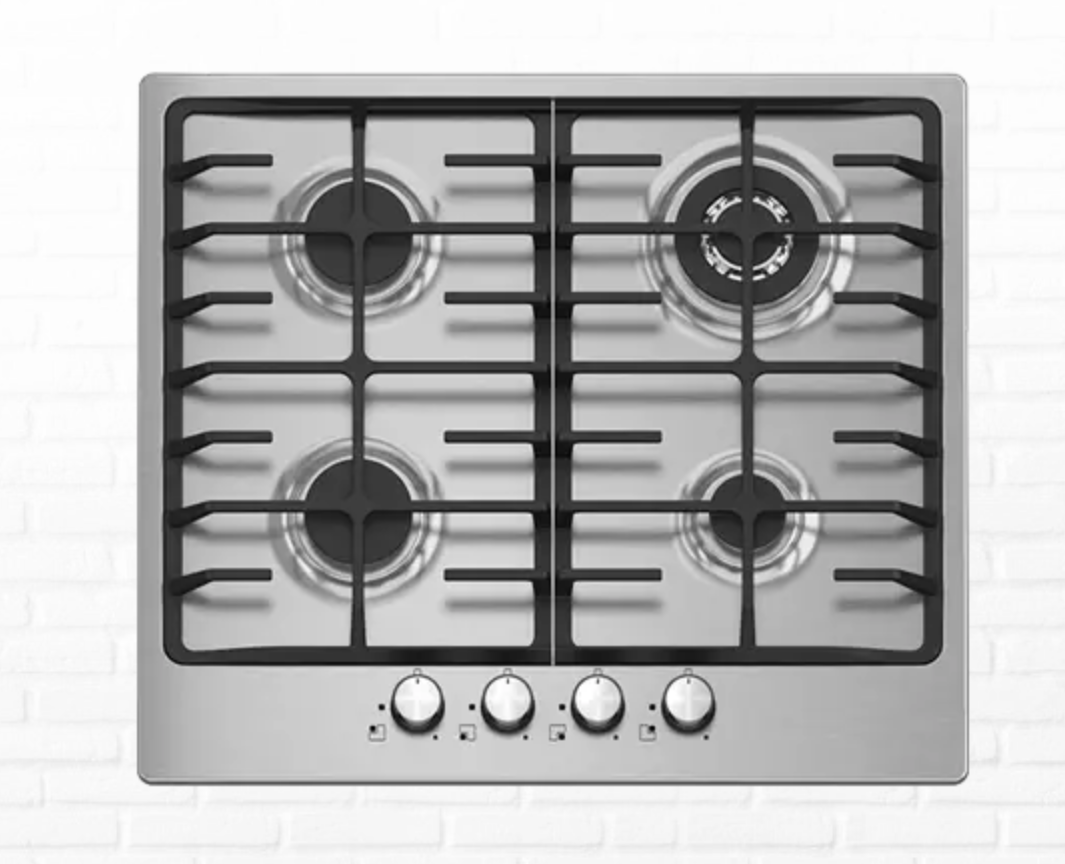
Hobs and hoods serve very different but complementary purposes in the kitchen. The hob is primarily responsible for providing heat for cooking. Whether you're frying, boiling, or simmering, the hob is where the cooking happens. On the other hand, the hood provides ventilation and air purification. It works by removing smoke, steam, odors, and grease from the air, ensuring a healthier and more pleasant environment while cooking.
Together, these appliances create a balanced cooking environment. The hob does the job of heating and cooking food, while the hood ensures the air stays fresh and free from pollutants, making the kitchen more comfortable and safer to use.
Hobs are typically integrated into the kitchen countertop. Depending on the design, hobs can be flush-mounted or surface-mounted. A flush-mounted hob sits level with the countertop, creating a seamless and sleek look. Surface-mounted hobs sit on top of the countertop and are often more visible. Hobs come in different materials like ceramic, glass, or metal, and are designed to accommodate multiple burners.
Hoods, by contrast, are mounted above the cooking area. There are different types, each suitable for different kitchen setups:
Wall-mounted hoods: These are fixed to the wall above the stove or hob and offer a traditional look.
Island-mounted hoods: Installed above an island cooktop, these hoods are suspended from the ceiling and offer a modern, open design.
Under-cabinet hoods: Installed below kitchen cabinets, these are often more compact and ideal for smaller spaces.
When it comes to installation, ducted hoods expel air outside, requiring a more complex installation with ducting. Ductless hoods, however, use filters to recirculate air back into the kitchen, which is easier to install but less effective in removing all pollutants.
Hobs require different cleaning and maintenance procedures based on the type:
Gas hobs: Cleaning involves wiping down the surface and ensuring the burners and grates are free of grease and food residue.
Electric hobs: Typically require less maintenance, but glass-ceramic hobs can be prone to scratches, so special care is needed during cleaning.
Induction hobs: Easier to clean as food spills don't burn onto the surface. Simply wipe the surface with a damp cloth after use.
Hoods, on the other hand, require regular cleaning to maintain efficiency:
Grease filters need to be cleaned frequently to prevent grease buildup.
Air circulation should be checked regularly to ensure the fan is operating properly.
Filter replacement: Depending on the type of hood, filters (such as charcoal filters in ductless hoods) need to be replaced periodically to maintain good air quality.
| Feature | Hob | Hood |
|---|---|---|
| Primary Function | Cooking and heating | Ventilation and air purification |
| Installation | Integrated into countertop | Wall, island, or under-cabinet mount |
| Maintenance Frequency | Clean burners and surface | Clean filters, replace when necessary |
| Efficiency | Dependent on heating type | Dependent on ducting or filter quality |
A kitchen can technically function with just a hob and no hood, but the cooking experience and air quality will be compromised. Without a hood, cooking can lead to lingering odors, smoke, and grease buildup in the kitchen, making it harder to maintain cleanliness.
Having both a hob and a hood is highly recommended for safety, cleanliness, and air quality. The hob provides the heat necessary for cooking, while the hood ensures the air remains fresh and free from pollutants. This is especially important when using a gas hob, as it produces smoke and fumes that can affect air quality. A hood can also reduce the accumulation of grease on walls and appliances, making your kitchen much easier to clean.
When choosing a hood to complement your hob, there are a few important factors to consider:
Cooking Style: If you cook regularly with high heat, like stir-frying on a gas hob, you need a powerful hood that can handle the intensity of the cooking fumes.
Size Considerations: A hood should ideally be the same width as your hob or slightly wider. This ensures the hood captures all the smoke and steam produced during cooking.
Ventilation Options: When selecting a hood, you’ll need to choose between a ducted and a ductless option.
Ducted hoods expel air outside, providing the best ventilation but requiring more complex installation.
Ductless hoods use filters to purify the air and recirculate it back into the kitchen. While easier to install, they may not be as effective in removing all pollutants, especially for gas hobs.
Whether you’re using a gas, electric, or induction hob, selecting the right hood can enhance your kitchen's ventilation and make cooking more enjoyable.
When optimizing your kitchen for both a hob and a hood, the location of these appliances plays a critical role in both functionality and safety. It's important to plan your kitchen layout so that the hob and hood work efficiently together.
Best Location for Your Hob and Hood: Place the hob near a power source and in a location where you can easily move around while cooking. The hood should be directly above the hob to effectively capture smoke, steam, and odors. Ensure there is enough space around the hob for ventilation.
Integrating Both Appliances into Your Layout: If you have an open kitchen design, consider installing a downdraft hood or an island-mounted hood to maintain aesthetics while providing efficient ventilation. For smaller kitchens, an under-cabinet hood can save space and still perform well.
| Feature | Hob Location Consideration | Hood Location Consideration |
|---|---|---|
| Proximity to Power | Ensure close access to power | Usually requires an overhead mount |
| Ventilation Area | Place near a window or vent | Should be directly above the hob |
Choosing the right hob and hood involves considering energy efficiency and long-term costs, ensuring that both appliances not only fit your cooking style but are also sustainable for your household budget.
Energy-Efficient Hobs and Hoods: Induction hobs are the most energy-efficient since they directly heat the pan, reducing wasted energy. Electric and gas hobs can be less efficient, especially when using high heat for extended periods. For hoods, ductless models tend to use more energy for filtering and recirculation, while ducted hoods are generally more energy-efficient by expelling air outside.
Cost-Saving Tips:
Opt for energy-efficient hobs that offer faster cooking times and less heat waste.
Ducted hoods might have a higher upfront installation cost but can save energy over time by removing pollutants more effectively.
Consider timers or auto-off features for both hobs and hoods, which can reduce unnecessary energy use when you're not actively cooking.
By carefully selecting both appliances based on energy efficiency and cost considerations, you’ll make a smart investment in your kitchen's functionality and your home’s overall energy consumption.
Understanding the difference between a hob and a hood is essential for creating a functional kitchen. Selecting the right hob and hood can significantly improve your cooking experience and air quality. Before purchasing, carefully evaluate your kitchen needs to ensure you choose appliances that enhance both efficiency and comfort.
A: A hob is a cooking appliance used to heat cookware, providing the heat needed for cooking. A hood is a ventilation system that removes smoke, steam, and odors from the kitchen to improve air quality.
A: While a kitchen can function with just a hob, having a hood ensures proper ventilation, preventing the buildup of smoke, grease, and odors. A hood complements cooking by keeping the air fresh and clean.


