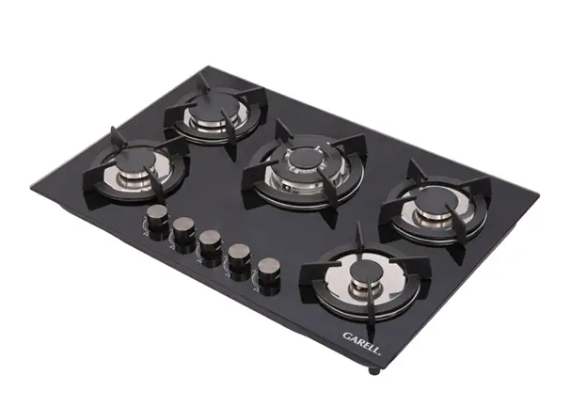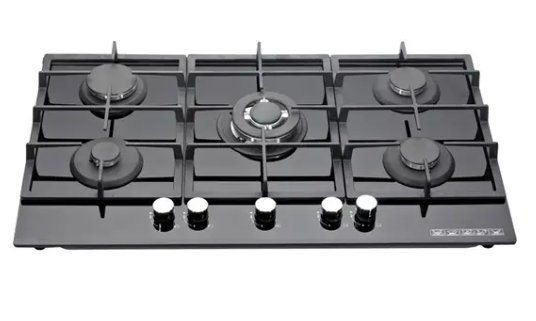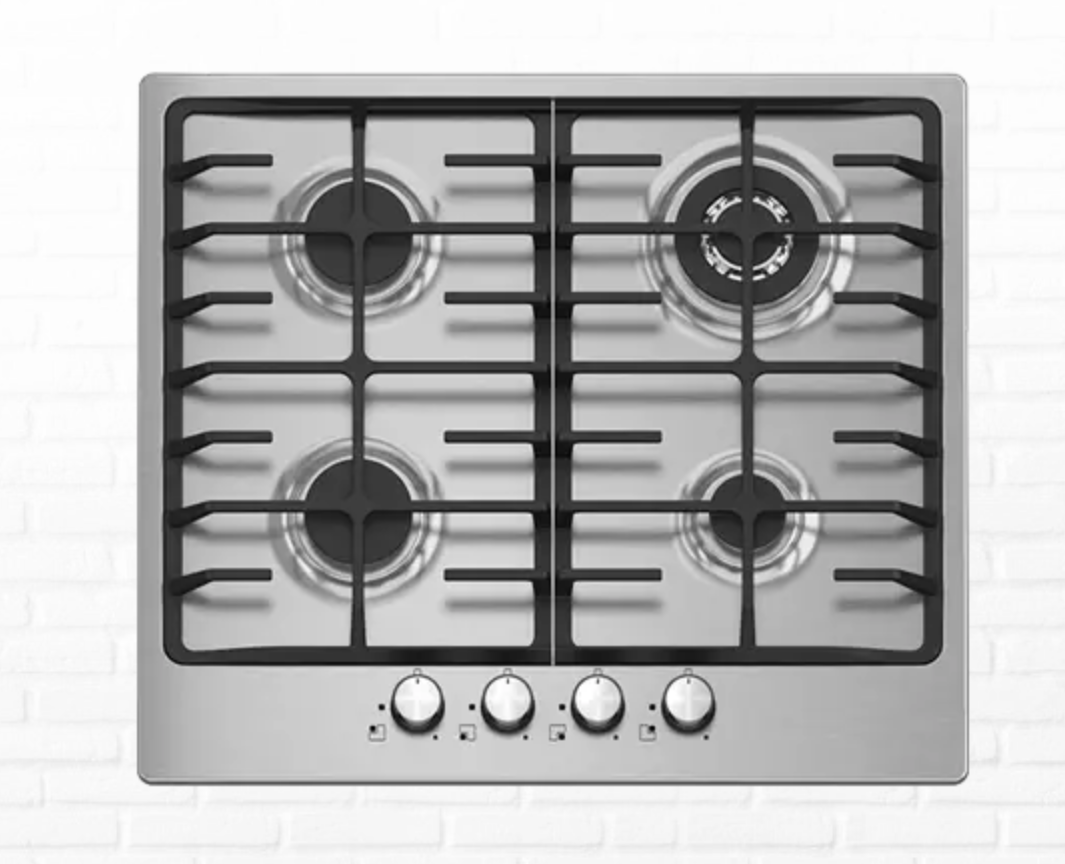
Introduction
Choosing the right hob for your kitchen can be a challenge. With so many options available, how do you decide which one is best for you? A well-selected hob can improve both your cooking experience and the overall design of your kitchen. In this article, we will explore the different types of hobs, such as gas, induction, and electric. You'll also learn about key factors like cooking style, energy efficiency, and size compatibility to help you choose the perfect hob for your needs.
Understanding Different Types of Hobs
Different types of kitchen hobs have their own advantages and use cases. To help you select the right hob for your kitchen, the following table summarizes the key characteristics, technical specifications, applications, and considerations of each type. By comparing these details, you can make an informed choice based on your needs.
| Hob Type | Technical Features | Heating Efficiency | Heating Speed | Energy Usage | Compatibility | Cleaning Difficulty | Ideal Use Case | Considerations |
| Gas Hobs | Uses gas for instant heat and precise flame control. | Low (40%-50%) | Fast | Gas | Compatible with all cookware | Hard to clean, requires cleaning burners and grease. | Ideal for traditional cooking, especially high-heat methods like stir-frying. | Requires proper installation and good ventilation. Regular cleaning needed to prevent uneven flames. |
| Induction Hobs | Uses magnetic fields to heat cookware directly, leaving the surface cool. | High (up to 90%) | Very fast | Electricity (Efficient) | Only compatible with magnetic cookware (e.g., cast iron, steel) | Easy to clean, surface stays cool and prevents food residue from burning. | Ideal for fast heating and precise control, great for delicate cooking like simmering sauces or tempering spices. | Requires specific cookware, initial cost is higher but long-term savings on energy. |
| Electric Hobs | Uses electric heating elements (coil or ceramic). | Medium (70%-80%) | Slower than gas and induction | Electricity | Compatible with all cookware | Easy to clean (ceramic surface), but slower heating. | Suitable for slow cooking or simmering, good for budget-conscious households. | Slower heating and cooling times, less efficient than induction. |
| Hybrid/Modular Hobs | Combines gas and induction or electric zones in a single hob. | High (combines both gas and electric efficiency) | Varies depending on the heating mode | Gas and Electricity combined | Compatible with all cookware | Requires regular cleaning of each heating zone, installation is more complex. | Ideal for households that want flexibility in cooking methods and need versatile cooking options. | Requires adequate space and installation support. Choose the appropriate heating mode based on cooking needs. |
Tip:When choosing a hob, consider your cooking habits and kitchen space. Gas hobs are great for traditional cooking, while induction is perfect for those seeking efficiency and fast cooking.

Key Considerations for Selecting the Best Hob
Cooking Style and Preferences
Your cooking style should be one of the primary factors influencing your hob selection. If you enjoy cooking with high heat and need precise control, a gas hob might be the right choice for you. Gas hobs allow you to instantly adjust the heat, making them perfect for high-heat cooking techniques such as stir-frying and deep-frying.
On the other hand, if you prioritize energy efficiency and fast cooking, an induction hob might be the best fit. Induction cooking heats the cookware directly, reducing heat loss and speeding up cooking times. It's also the safest option, as the hob surface remains cool to the touch.
For those who prefer simplicity and low maintenance, electric hobs are a solid choice. They heat up consistently, making them ideal for basic cooking methods like boiling and simmering.
Energy Efficiency and Operating Costs
When it comes to energy efficiency, induction hobs are the clear winner, using up to 90% of energy for cooking. This not only helps reduce your environmental impact but also lowers your energy bills in the long term. While the initial investment for an induction hob is higher, the savings on energy costs often justify the price difference.
Gas hobs are less efficient, using only 40-50% of the energy, and they typically incur higher running costs depending on gas prices. However, they are more affordable upfront, which can make them a more attractive option for those on a tighter budget.
Electric hobs fall somewhere in between, with energy efficiency around 70-80%. They are less efficient than induction but offer a more affordable solution compared to induction hobs.
Kitchen Design and Aesthetics
When considering kitchen design, it’s important to think about how the hob integrates into your overall kitchen style. Induction and electric hobs not only offer a modern, sleek appearance but also provide practical benefits, such as easy cleaning and space-saving features. Their smooth surfaces contribute to a streamlined design, making them ideal for contemporary kitchens where aesthetics and functionality go hand in hand. Gas hobs, although traditional, can still be a stylish choice in rustic or industrial kitchens, where the visible flame and robust design add to the ambiance. The key is choosing a hob that complements your kitchen’s layout, materials, and overall theme, ensuring both form and function are optimized.
Size and Burner Configuration
Matching Hob Size to Kitchen Space
The size of the hob should correspond to your kitchen size and cooking needs. For small kitchens or apartments, a compact 30cm hob with one or two burners might suffice. These hobs are ideal for individuals or couples who cook occasionally.
For medium-sized kitchens with 3-5 people, a standard 60cm hob with 3-4 burners is typically the best option. It provides enough space to cook multiple dishes simultaneously without taking up too much countertop space.
Larger families or those who entertain often may benefit from a 70-90cm hob, which offers 5+ burners and the flexibility to cook large meals.
Number of Burners
When selecting the number of burners, it's essential to balance your cooking needs with kitchen space. Larger households or those who entertain frequently can benefit from a 5-burner hob, providing ample space to cook multiple dishes simultaneously. For those who cook more casually or live in smaller households, a 2-burner hob can still be functional without occupying too much counter space. Specialized burners like wok burners or high-power burners are designed to handle specific cooking methods. Wok burners are perfect for high-heat stir-frying, while high-power burners provide intense heat for searing meats, making them valuable for cooking enthusiasts. A well-configured hob with the right number of burners can significantly enhance cooking efficiency and versatility in the kitchen.
Safety Features
Flame Failure Device (FFD)
The Flame Failure Device (FFD) is crucial for preventing dangerous gas leaks. It works by detecting if the flame goes out unexpectedly, shutting off the gas supply immediately. This feature is particularly important in households with young children or pets, where accidents can occur easily. FFD is now a standard requirement for most modern gas hobs, offering peace of mind, particularly in high-traffic family kitchens or homes in areas prone to power fluctuations that may inadvertently extinguish flames.
Residual Heat Indicators
Residual heat indicators are vital for preventing burns from hot surfaces on ceramic or induction hobs. They display a visual warning, typically as a light or symbol, indicating when the hob remains too hot to touch. These indicators are especially useful when cooking at high temperatures or using multiple zones. They also provide safety after cooking is completed, ensuring users are aware that the surface remains hot, thus minimizing the risk of accidental burns, particularly in households with children.
Child Safety Lock
Child safety locks are essential for families with young children, preventing accidental activation of induction and electric hobs. This feature locks the controls, ensuring that no changes can be made to the cooking settings, such as turning the heat on or off. The safety lock is particularly beneficial in preventing children from pressing buttons out of curiosity or interfering with cooking settings. Many modern hobs feature intuitive child safety locks that are easy to engage and disengage, adding an extra layer of protection.
Auto Shut-Off
Auto shut-off features add a critical layer of safety, especially in busy kitchens. The system automatically powers off the hob if it’s left unattended for a predetermined time, reducing the risk of fire hazards. This feature is particularly important for electric and induction hobs, as they can heat up rapidly and remain hot for extended periods after cooking. It is beneficial in households where distractions are common, like busy families or homes with elderly individuals, offering a reliable safeguard against forgetfulness.
Advanced Technology and Smart Features
Hob2Hood Integration
Hob2Hood integration is an innovative feature that enhances kitchen ventilation efficiency. It wirelessly connects your hob with the kitchen extractor fan, automatically adjusting the fan speed based on the heat levels of the hob. This seamless integration ensures optimal air quality without the need for manual intervention, especially when cooking foods that release strong odors or smoke. By providing the right amount of ventilation, it improves the overall kitchen environment, creating a more comfortable cooking experience.
Flex Zones
Flex zones on induction hobs offer enhanced cooking flexibility by combining two separate cooking areas into one larger zone. This feature allows you to use large, non-traditional cookware like griddles, oval pots, or roasting pans, which are difficult to fit into standard cooking zones. Flex zones automatically detect the size and shape of your cookware, distributing heat evenly across the surface. This adaptability is perfect for cooking large meals, and it offers a more versatile, efficient cooking surface.
Wi-Fi Connectivity and App Control
Wi-Fi-enabled hobs bring modern convenience to the kitchen by allowing users to control and monitor their hob remotely via smartphone apps. This functionality enables users to adjust cooking settings, set timers, and check cooking progress from any room in the house. With features like push notifications, you can stay informed about your cooking without being physically present at the hob. Wi-Fi connectivity is particularly useful for those with busy schedules, enabling them to manage cooking tasks efficiently and safely.

Material and Durability
Stainless Steel vs. Toughened Glass
The material of the hob significantly impacts its durability, cleaning difficulty, and aesthetics. The following table compares the characteristics, technical specifications, and considerations of stainless steel and toughened glass hobs, helping you make an informed choice based on your needs.
| Material | Technical Features | Durability | Cleaning Difficulty | Appearance and Design | Ideal Use Case | Considerations |
| Stainless Steel | Sturdy, scratch-resistant, suitable for high-temperature use. | Very durable, corrosion-resistant. | Harder to clean, prone to fingerprints and stains. | Classic appearance, suits both traditional and modern kitchens. | Ideal for heavy-duty use, high-heat cooking, such as stir-frying and grilling. | Requires regular cleaning to prevent fingerprints and stains. Avoid scratching. |
| Toughened Glass | Smooth surface, easy to clean, modern aesthetic, heat-resistant. | Relatively more fragile, prone to scratches. | Easy to clean, surface doesn't retain food residue. | Modern, sleek design, suits contemporary kitchen aesthetics. | Ideal for modern kitchens and low-heat cooking like simmering and slow cooking. | Clean with gentle products; avoid using rough cleaning tools to prevent scratches. |
Tip:If you prefer a modern design and easy cleaning, toughened glass hobs may be more suitable for you. However, if durability and scratch resistance are a priority, stainless steel hobs would be the better choice.
Brass Burners (for Gas Hobs)
Brass burners for gas hobs are known for their exceptional heat distribution and durability. Brass, a copper-zinc alloy, conducts heat more efficiently than traditional steel, ensuring that the heat is evenly spread across the pan. This not only improves cooking performance but also reduces the chances of hot spots that can cause uneven cooking. Additionally, brass is highly resistant to corrosion, making it more durable and longer-lasting, especially in environments with high moisture or frequent use. Brass burners also retain heat better, allowing for quicker recovery after temperature adjustments, which is essential for high-precision cooking.
Budget and Value for Money
Initial Cost
The initial cost of a hob is influenced by the technology and features it offers. Basic gas and electric hobs are typically more affordable due to their simpler design and manufacturing process. However, premium induction hobs, which offer high energy efficiency, precise temperature control, and faster heating, come at a higher price point. While the upfront cost of induction models may be a deterrent, it's important to consider long-term savings from reduced energy consumption, which can offset the higher initial investment over time.
Running Costs
Induction hobs are the most energy-efficient, using up to 90% of the energy for cooking, resulting in lower running costs. Gas hobs, while generally less efficient (30-50% energy usage), can be more expensive to operate, particularly in areas with high gas prices. Electric hobs, on the other hand, have moderate efficiency and their running costs fall between those of gas and induction. However, their affordability may make them a better choice for budget-conscious users, despite being less efficient than induction.
Maintenance and Longevity
Induction and electric hobs require minimal maintenance, typically needing only regular surface cleaning. These types are designed for durability, with induction hobs having a long lifespan due to fewer moving parts. Gas hobs, while durable and effective, require more frequent maintenance, especially in cleaning burners and ensuring the gas connections remain safe and functional. Over time, gas burners can also degrade, reducing efficiency. Induction and electric hobs generally have fewer components that wear out, making them more reliable and cost-effective in the long term.
Conclusion
Selecting the right hob for your kitchen involves balancing functionality, aesthetics, and energy efficiency. Gas hobs provide precise control and are ideal for traditional cooking, while induction hobs stand out for their speed, safety, and energy efficiency. Electric hobs, on the other hand, offer a budget-friendly and low-maintenance solution for simpler cooking needs. For those seeking high-quality kitchen appliances, Zhongshan Jiaye Electric Appliance Technology Co., Ltd. offers a range of advanced hobs designed to enhance cooking experiences. Their products combine durability with modern features, ensuring safety, efficiency, and style.
FAQ
Q: What is a hob and how is it different from a stove?
A: A hob is a cooking appliance that provides heat for cooking. Unlike a stove, which includes both burners and an oven, a hob typically refers to the burners or cooking surface alone.
Q: How do I choose the best hob for my kitchen?
A: Consider your cooking style, kitchen space, and budget. Gas hobs offer control, induction hobs provide efficiency, and electric hobs are affordable and easy to maintain.
Q: What are the advantages of induction hobs over gas hobs?
A: Induction hobs are more energy-efficient and heat up faster, making them ideal for quick cooking. They also provide precise temperature control, unlike gas hobs, which require manual flame adjustment.
Q: How do I clean and maintain my hob?
A: For electric and induction hobs, wipe with a damp cloth to remove food residue. Gas hobs require more maintenance, including regular cleaning of burners and grates to maintain optimal performance.
Q: What is the cost difference between gas and induction hobs?
A: Gas hobs are generally more affordable upfront, while induction hobs tend to be pricier due to advanced technology. However, induction hobs are more energy-efficient, saving you money in the long run.
Q: Can I use any cookware on an induction hob?
A: No, only cookware made from ferrous materials (such as cast iron or magnetic stainless steel) is compatible with induction hobs.