
- All
- Product Name
- Product Keyword
- Product Model
- Product Summary
- Product Description
- Multi Field Search
Views: 0 Author: Site Editor Publish Time: 2025-09-30 Origin: Site

A gas hob is a popular choice in modern kitchens because of its fast heating, precise temperature control, and versatility. While these advantages make cooking easier and more enjoyable, the presence of an open flame and combustible gas introduces certain safety risks. Accidents such as gas leaks, burns, or fires can occur if the appliance is not used and maintained properly.
Understanding proper safety guidelines is essential for anyone using a gas hob. This article provides detailed advice on installation, usage, maintenance, ventilation, and emergency procedures. Following these recommendations ensures that your gas hob can be used safely, efficiently, and reliably, while minimizing potential hazards in the kitchen.
Before diving into safety measures, it is important to understand the basic operation of a gas hob. A gas hob uses natural gas or liquefied petroleum gas (LPG) to produce a flame that heats cookware directly. The stove typically consists of burners, burner caps, grates, control knobs, and sometimes safety devices such as flame failure protection.
When a burner is turned on, gas flows through the ports and ignites to produce a controlled flame. The intensity of this flame can be adjusted by turning the control knob, allowing for precise cooking temperatures. Proper operation and understanding of these components are fundamental to using the gas hob safely.
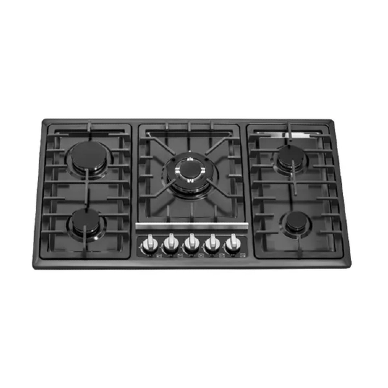
Safety begins with correct installation. Gas hobs must be installed according to manufacturer guidelines and local regulations. It is strongly recommended to hire a certified technician to ensure correct gas connections, proper ventilation, and secure placement.
The positioning of the gas hob is equally important. It should be placed away from flammable materials such as curtains, paper towels, or plastic kitchen items. The stove should also have adequate clearance from walls and cabinets to prevent heat damage or fire hazards. Ensuring a stable countertop installation prevents wobbling or accidental tipping of pots and pans.
Effective ventilation is crucial for gas hob safety. Burning gas produces carbon monoxide and other combustion byproducts that can accumulate in poorly ventilated kitchens. Installing a range hood or exhaust fan above the hob helps remove fumes, smoke, and excess heat.
Keeping windows open during cooking or using additional ventilation can also reduce the risk of indoor air contamination. A well-ventilated kitchen not only promotes safety but also ensures efficient combustion, which helps reduce gas consumption and maintain consistent flame performance.
Using a gas hob safely involves more than just turning on the flame. Certain habits and precautions can significantly reduce risks in the kitchen.
When lighting a burner, always check for gas leaks first. A quick sniff test can help detect any unusual gas smell. Turn the control knob carefully to avoid sudden bursts of flame. If the flame goes out unexpectedly, turn off the gas immediately and wait for a few minutes before attempting to relight.
Do not leave the stove unattended while cooking, especially when frying, boiling, or using high flames. Open flames can easily ignite nearby items, and unattended food can boil over or burn, creating hazards. Always keep handles of pots and pans turned inward to prevent accidental spills or burns.
Proper flame management is essential for both cooking efficiency and safety. Flames should not extend beyond the edges of the cookware. Excessively high flames waste gas, increase fire risks, and can damage kitchen surfaces. Adjusting the flame to suit the cooking task ensures even heating and reduces the likelihood of accidents.
Avoid placing empty cookware on a high flame, as it can overheat quickly and damage the pan or create fire hazards. Simmering or slow-cooking should be done at lower flame settings to maintain control and minimize gas usage.
For households with children, additional precautions are necessary. Keep children away from the stove while it is in use. Many modern gas hobs offer child-lock features on control knobs, preventing accidental ignition or adjustment of the flame.
Educating children about the dangers of open flames and hot surfaces is also important. Even a small moment of curiosity can lead to burns or other accidents if proper safety measures are not in place.
Maintaining a gas hob is critical for safe operation. Regular cleaning of burners, burner ports, grates, and drip trays prevents food residue from blocking gas flow, which can cause uneven flames or flare-ups.
Inspect gas hoses and connections periodically to ensure there are no leaks or loose fittings. A common test involves applying a mild soapy solution to the connection points and checking for bubbles, which indicate escaping gas. Never use a naked flame to detect leaks.
Routine checks of flame color are also recommended. A steady blue flame indicates proper combustion, while yellow or orange flames may signal incomplete combustion, which can be dangerous and waste gas.
Even with all precautions, accidents can happen. Knowing how to respond quickly is essential. In the event of a gas leak, immediately turn off the gas supply at the source, avoid using electrical switches or open flames, and ventilate the area by opening windows and doors. Call a professional technician to inspect and repair the system before using it again.
For fire emergencies, keep a fire extinguisher suitable for kitchen fires nearby. In case of grease fires, never use water, as it can spread the flames. Instead, smother the fire with a metal lid or use a fire blanket. Being prepared and knowing emergency procedures can prevent serious injuries or property damage.
Other practical measures include keeping the kitchen uncluttered, avoiding loose clothing near burners, and ensuring that stovetop surfaces are dry before ignition. Using timers and monitoring cooking times can prevent food from burning and creating smoke or flare-ups.
For frequent users, it is also beneficial to familiarize oneself with the specific model’s manual, as manufacturers often provide additional safety features and recommended usage practices that enhance protection.
Adhering to these safety guidelines does more than prevent accidents. Safe operation ensures that your gas hob functions efficiently, prolongs its lifespan, and reduces energy waste. Proper flame management and maintenance lead to more even cooking and better results. In short, a safe kitchen is also an efficient and enjoyable kitchen.
Safety-conscious cooking fosters a stress-free environment, allowing families to focus on preparing meals and enjoying time together rather than worrying about potential hazards. It also encourages responsible energy use and contributes to overall household efficiency.
A gas hob is a valuable addition to modern kitchens, offering rapid heating, precise control, and versatile cooking capabilities. However, the open flame and combustible gas demand careful attention and adherence to safety practices. Proper installation, effective ventilation, safe operating habits, childproofing, regular maintenance, and knowledge of emergency procedures are all essential to ensure safe and efficient use.
By following these safety guidelines, homeowners can enjoy the advantages of a gas hob while minimizing risks. Safe usage not only protects the household from accidents and hazards but also enhances cooking performance, efficiency, and overall satisfaction in the kitchen. When used responsibly, a gas hob provides a reliable, convenient, and enjoyable cooking experience for many years.


