- All
- Product Name
- Product Keyword
- Product Model
- Product Summary
- Product Description
- Multi Field Search
Views: 0 Author: Site Editor Publish Time: 2026-07-15 Origin: Site

Upgrading a kitchen often sparks a major debate between permanent integration and standalone flexibility. Replacing a primary cooking appliance requires careful thought about layout and daily habits. You must choose between a built-in fixture and a freestanding unit. This choice dictates your daily workflow and long-term design. Homeowners often struggle to distinguish the functional boundaries between these options. We must strip away confusing marketing jargon to clearly define their structural differences. Making a confident purchase decision requires understanding how each option impacts your space. In this guide, we will explore the core concepts shaping these configurations. We will examine aesthetic integration, ergonomic benefits, and critical maintenance routines. You will discover practical realities regarding installation, safety compliance, and countertop modifications. Ultimately, we will help you identify the ideal solution for your household.
Structural Integration: A gas hob is permanently built into the kitchen countertop, whereas a gas stove is a freestanding or countertop-resting unit.
Installation Complexity: Hobs require precise countertop cutouts and professional gas line integration; stoves are generally plug-and-play if a gas line is present.
Aesthetic & Cleaning: Hobs provide a seamless, modern look with fewer crevices for food traps, while stoves often interrupt the countertop line.
Total Cost of Ownership: While base appliance prices vary, hobs carry higher hidden implementation costs due to cabinetry and stone-cutting requirements.
Understanding cooking appliances starts by examining their physical chassis. You must evaluate how they interact physically inside your kitchen space. We will define both categories to eliminate common terminology confusion.
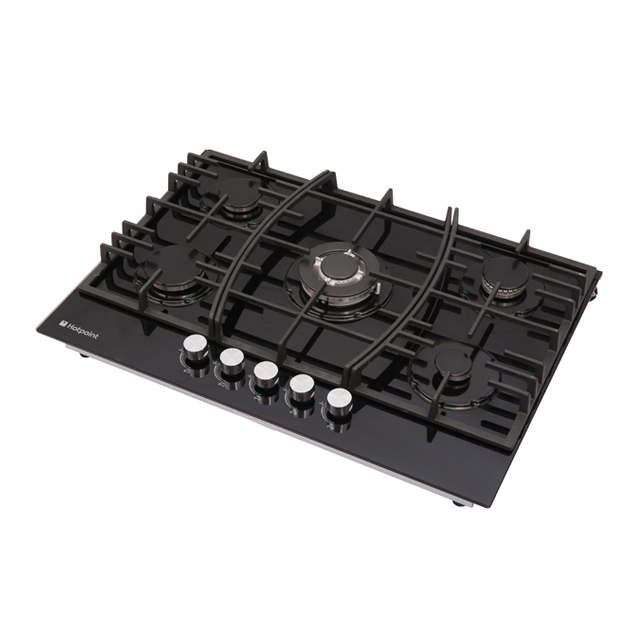
Industry professionals define the kitchen gas hob as a drop-in cooktop. It sits flush against or slightly raised above your countertop. Homeowners consider it an integrated architectural element rather than a separate machine. Cabinetry entirely conceals the lower mechanical components and gas connections. You only see the burner layout, the control knobs, and the surface material. This flush installation creates an unbroken line across your kitchen workspace.
A traditional stove operates as a completely independent, freestanding unit. You can easily identify two common variations in residential spaces.
Freestanding Ranges: These units combine a cooktop surface above an integrated oven compartment. They slide directly into a gap between base cabinets.
Portable Countertop Stoves: These smaller units rest directly on top of the counter. Renters often prefer them because they require zero structural modifications.
Stoves feature visible side panels and typically rest on adjustable legs. You can physically pull a freestanding stove away from the wall.
The difference lies primarily in chassis design and installation methodology. Both appliances utilize identical underlying gas combustion technology to generate heat. Burner performance, flame control, and thermal output remain largely comparable. Your decision ultimately hinges entirely on structural integration versus portable flexibility. You are choosing a specific architectural approach to kitchen design.
Appliance selection heavily impacts how you physically interact inside the kitchen. You must evaluate these units across several daily usability metrics.
Modern kitchen design heavily favors minimalist, unbroken surfaces. A dedicated Gas Hob delivers this seamless appeal beautifully. It blends directly into surrounding granite, quartz, or butcher block materials. Freestanding stoves present a much bulkier, utilitarian presence. The stove chassis interrupts the continuous horizontal line of your counters. It creates visible vertical seams where the appliance meets your adjacent cabinetry.
Cooking comfort relies on proper ergonomic alignment and effortless movement.
Cooking Height: Integrated units align perfectly alongside your standard counter height. Freestanding stoves sometimes sit slightly higher or lower depending on floor leveling.
Pan Transferability: Sliding heavy cast-iron pots feels effortless across a flush continuous grid. Moving heavy vessels off a freestanding stove requires lifting them over elevated edges.
Daily maintenance routines differ drastically between these two appliance styles. Wiping down a continuous glass or steel surface takes mere seconds. Food spills stay neatly contained above the counter level. Freestanding stoves present a notorious challenge regarding side gaps. Crumbs and grease inevitably fall down the narrow spaces separating the unit from adjacent cabinets. You must periodically pull the heavy machine out to clean the floor underneath.
Evaluation Dimension | Integrated Unit | Freestanding Stove |
|---|---|---|
Visual Profile | Minimalist, seamless, flush integration | Bulky, interrupts cabinet lines |
Ergonomics | Optimized sliding, matched counter height | Requires lifting, potential height mismatch |
Daily Cleaning | Easy wipe-down, no side gaps | Hard-to-reach side crevices, floor debris |
Moving beyond surface aesthetics reveals significant differences in project scope. Installing built-in appliances introduces permanent structural alterations and strict safety codes.
Drop-in units demand precise templating and permanent countertop material removal. Fabricators must cut exact rectangular holes into your granite, quartz, or wood surfaces. This permanence requires absolute certainty regarding your chosen layout. Switching back to a freestanding stove later becomes a major logistical headache. You would need a completely new countertop to eliminate the existing cutout hole.
Handling combustible fuel requires strict adherence to local building codes. Installation methodologies differ significantly between permanent and freestanding units.
Hard-Plumbed Connections: Integrated units typically require a certified technician for installation. Professionals connect rigid or semi-rigid pipes directly underneath the counter.
Accessibility Requirements: Plumbers must install accessible emergency shut-off valves inside adjacent lower cabinets.
Flexible Hoses: Many freestanding stoves utilize standardized flexible bayonet hoses. These allow users to connect or disconnect the appliance safely during cleaning.
Never attempt unauthorized DIY plumbing modifications on permanent fixtures.
Built-in units dictate strict clearance requirements for surrounding cabinetry. You must maintain specific distances between the burners and overhead combustible materials. Manufacturers require dedicated heat shielding underneath the chassis. This protects items stored inside the base cabinets below. Range hoods must align perfectly above the permanent cutout location. Improper clearances can void warranties and create severe fire hazards.
Evaluating long-term appliance viability means understanding component lifespan. Material choices directly influence how well your cooking unit survives daily wear.
Base retail variations exist across both categories depending on material finishes. Manufacturers offer distinct hardware tiers. Entry-level units often feature stamped steel bases and lightweight enamel grates. Premium tiers utilize heavy-duty stainless steel or thick tempered glass. Cast iron pan supports signify a higher grade of durability. Assess the material thickness before making your final selection.
You must calculate the true effort required for a built-in installation. Do not just look at the physical unit itself. You must factor in custom stone fabrication and precision cutting. Professional gas fitting requires specialized labor and dedicated plumbing components. Customized under-counter cabinetry often needs structural reinforcement to support surrounding stone. These necessary implementation steps demand significant planning and project coordination.
Component durability defines the effective lifespan of your cooking appliance. Both styles commonly utilize durable brass or aluminum alloy burners. However, the surface chassis introduces different adoption risks.
Tempered Glass: Modern drop-in units often use sleek black tempered glass. This material requires specific care to prevent accidental shattering. Dropping a heavy cast-iron skillet can permanently destroy the entire surface.
Metal Chassis: Traditional stoves feature highly robust metal bodies. They withstand heavy impacts remarkably well. Stainless steel may scratch over time but rarely suffers catastrophic structural failure.
Choosing the correct appliance depends entirely on your current housing situation. You must evaluate your renovation scope and your desired aesthetic goals.
Built-in units excel under specific renovation conditions.
Full Kitchen Renovations: Select this option when completely replacing cabinets and countertops. It allows perfect customization.
Modular Kitchen Designs: Choose this when building the oven into a separate vertical wall tower. It physically separates the cooking zones.
Aesthetic Priorities: Install this if you demand a seamless, modern look. It creates a beautiful, continuous horizontal workspace.
Standalone units remain highly practical for many common household scenarios.
Renting a Home: Standalone units work perfectly if you cannot permanently alter existing countertops. Landlords prefer appliances they can swap easily.
Simple Replacements: They fit perfectly when replacing an existing unit within the same layout gap. It avoids heavy contractor involvement.
Compact Footprints: Choose a freestanding range when requiring an all-in-one cooktop and oven combination. It maximizes function in extremely tight spaces.
Your choice is rarely about raw cooking performance or burner capability. The decision revolves almost entirely around installation permanence, aesthetic preference, and structural limitations. Integrated units offer stunning visual harmony but demand rigorous installation planning. Freestanding appliances deliver ultimate flexibility but break up your continuous counter space. Evaluate your specific layout constraints before committing to a form factor.
Take clear action before finalizing any major appliance purchase. Measure your existing countertop cutouts or cabinet gaps precisely. Consult your local countertop fabricator regarding cutting risks and material limitations. Review local compliance codes regarding fuel lines and overhead ventilation clearances. These proactive steps guarantee a safe, beautiful, and highly functional kitchen upgrade.
A: Yes, you can make this transition during a renovation. It requires bridging the empty gap in your lower cabinetry. You must install a continuous, unbroken countertop piece across the space. Finally, a fabricator must cut a precise custom hole to drop the new unit into place.
A: Yes, they require a standard electrical connection. The fuel flows independently through the mechanical valves. However, the built-in auto-ignition circuit relies entirely on electricity to create the spark. You can usually light the burners manually using a match during localized power outages.
A: Tempered glass surfaces are objectively safe and highly durable against thermal stress. They withstand extreme cooking heat effortlessly. However, they remain vulnerable to heavy, blunt impacts. Dropping a heavy cast-iron pan can shatter the glass. We recommend robust stainless steel surfaces for high-impact cooking environments.