
- All
- Product Name
- Product Keyword
- Product Model
- Product Summary
- Product Description
- Multi Field Search
Views: 0 Author: Site Editor Publish Time: 2025-06-20 Origin: Site

As modern kitchens evolve, the debate between vented and non-vented range hoods continues to capture the attention of homeowners and designers alike. While vented range hoods are often hailed for their efficiency in expelling smoke and odors outside, non-vented range hoods, also known as ductless or recirculating hoods, offer unique advantages that make them a valuable choice for many. This article explores the purpose, benefits, and considerations of non-vented range hoods, providing a comprehensive guide to help you decide which option best suits your kitchen needs.
Non-vented range hoods operate by filtering the air through charcoal or carbon filters and recirculating it back into the kitchen. Unlike their vented counterparts, these hoods do not require ductwork to expel air outside, making them a versatile and convenient option for various kitchen layouts.
Ease of Installation: Non-vented range hoods are easier to install compared to vented models, as they do not require complex ductwork. This makes them an ideal choice for apartments, condos, or kitchens where exterior venting is not feasible.
Versatility: These hoods can be installed virtually anywhere in the kitchen, providing flexibility in design and layout. Whether it's under a cabinet, on a wall, or over an island, non-vented hoods can fit seamlessly into any kitchen design.
Cost-Effectiveness: Without the need for duct installation, non-vented range hoods are generally more affordable upfront. Additionally, they can be a cost-effective solution for renters or those on a tight renovation budget.
Environmentally Friendly: Since non-vented hoods do not expel air outside, they prevent the loss of heated or cooled air from your home. This contributes to better energy efficiency and more sustainable kitchen ventilation.
Despite the common perception that vented hoods are superior, non-vented range hoods offer several benefits that make them a practical choice for many homeowners.
Energy Efficiency: Non-vented range hoods consume less energy as they do not need to power a fan strong enough to push air through ducts. This can lead to reduced energy bills over time.
Reduced Noise Levels: Since the fan is located within the unit itself, non-vented range hoods tend to be quieter than vented models, which can be a significant advantage in open-plan living spaces.
Improved Air Quality: While non-vented hoods may not expel air outside, they still filter out grease, smoke, and odors, improving indoor air quality. Regular maintenance and filter replacement are essential to ensure optimal performance.
Design Flexibility: These range hoods are available in a variety of sizes, shapes, and finishes, ensuring they complement different kitchen styles. From sleek, modern looks to more traditional designs, non-vented hoods enhance the overall aesthetic of your kitchen.
Suitable for Small Spaces: Non-vented range hoods are perfect for kitchens where space is limited. Since they do not require ducts or vents that run to the outside, they are easier to install in smaller kitchens or apartments where space constraints exist.
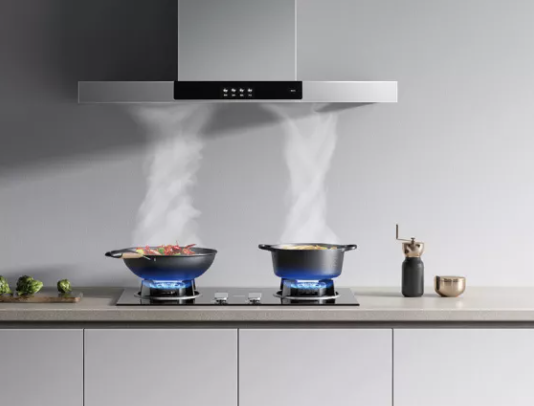
To understand the purpose of a non-vented range hood, it's essential to grasp how they function. These hoods use a fan to draw in air from the cooking area. The air passes through a series of filters that capture grease, smoke, and odors before recirculating the cleaned air back into the kitchen.
Charcoal or Carbon Filters: These filters are crucial for trapping odors and smoke, ensuring that the air returned to the kitchen is clean. Carbon filters absorb fine particles and neutralize cooking smells, making your kitchen environment fresher.
Grease Filters: Typically made of metal mesh or baffles, these filters capture grease particles, preventing them from accumulating on kitchen surfaces and reducing the risk of grease fires. The grease filters need to be cleaned regularly to maintain the hood's efficiency.
Fan: The fan's power, measured in CFM (Cubic Feet per Minute), determines how effectively the hood can draw in and filter air. Higher CFM ratings are ideal for larger kitchens or those with heavy cooking needs. More powerful fans improve the air circulation and filtration process.
Non-vented range hoods offer several advantages that make them a popular choice for many homeowners:
Flexibility in Placement: Without the need for ductwork, non-vented hoods can be installed in various locations, providing flexibility in kitchen design and layout.
Lower Installation Costs: The absence of ductwork reduces installation costs, making non-vented hoods a budget-friendly option for kitchen renovations.
Energy Efficiency: Non-vented hoods consume less energy than vented models, as they do not require a powerful fan to expel air outside. This can result in lower energy bills over time.
Noise Reduction: Since the fan is located within the unit, non-vented hoods tend to be quieter than vented models, making them ideal for open-plan living spaces.
Improved Indoor Air Quality: While non-vented hoods do not expel air outside, they still filter out grease, smoke, and odors, improving indoor air quality. Regular maintenance and filter replacement are essential to ensure optimal performance.
When selecting a non-vented range hood, there are several factors to consider to ensure it meets your kitchen's needs:
Filter Maintenance: Non-vented hoods rely on filters to clean the air. These filters must be cleaned or replaced regularly to maintain effectiveness. Look for models with dishwasher-safe filters for easy maintenance.
Cooking Habits: If your cooking involves heavy frying or grilling, a vented hood might be more effective in removing heat and humidity. However, for those who cook less frequently or prepare lighter meals, a non-vented hood can suffice.
Kitchen Size: The size of your kitchen plays a crucial role in determining the effectiveness of a non-vented hood. Larger kitchens may require more powerful models with higher CFM ratings to ensure adequate air circulation.
Design and Aesthetics: Non-vented hoods come in various styles and finishes. Choose a model that complements your kitchen's design and enhances its overall aesthetic.
To decide whether a non-vented range hood is right for you, it's essential to compare it with vented models:
Pros: Efficient at removing smoke, odors, and heat from the kitchen; better for heavy cooking.
Cons: More expensive to install; requires ductwork; may be noisier.
Pros: Easier and cheaper to install; flexible placement; quieter operation.
Cons: Less effective at removing heat and humidity; requires regular filter maintenance.
One of the standout benefits of non-vented range hoods is their energy efficiency. Since these units do not require external venting, they do not need to expend energy to push air through ducts. This can reduce overall energy consumption, particularly in homes that rely on air conditioning or heating systems. On top of that, non-vented range hoods typically cost less to install because they don’t require extensive ductwork. However, homeowners should factor in the cost of replacing filters, which will be an ongoing expense.
Proper maintenance is crucial to ensure the effectiveness of a non-vented range hood. Below are some helpful tips for keeping your unit in good working condition:
Regularly Clean the Grease Filters: Cleaning the grease filters every few weeks prevents grease buildup and ensures the fan operates efficiently.
Replace Charcoal Filters: Charcoal filters are essential for trapping odors and must be replaced every 3 to 6 months, depending on usage. Failing to replace the filters can result in poor air quality and reduced efficiency.
Wipe Down the Hood: Regularly wipe down the exterior of your non-vented range hood to maintain its appearance and prevent the accumulation of cooking grime.
Check for Blockages: Ensure the fan and air vents are free from dust and debris, which could impede airflow.
Professional Servicing: If you experience any performance issues such as noise or poor air filtration, consult a professional to ensure the unit is functioning optimally.
Non-vented range hoods offer a practical and versatile solution for kitchens where ductwork installation is not feasible. They provide effective air filtration, improve indoor air quality, and offer flexibility in design and placement. While they may not match the performance of vented models in removing heat and humidity, non-vented hoods are a valuable option for many homeowners. When choosing a range hood, consider your cooking habits, kitchen size, and design preferences to select the best model for your needs.
In conclusion, non-vented range hoods serve a crucial purpose in modern kitchens, offering a cost-effective and flexible solution for air filtration. Whether you're renovating your kitchen or looking for a practical ventilation option, non-vented range hoods provide a viable alternative that can enhance your cooking experience and maintain a fresh and clean kitchen environment.
A: A vented range hood expels air outside through ducts, while a non-vented range hood filters and recirculates air back into the kitchen using charcoal and grease filters.
A: Charcoal filters should be replaced every 3 to 6 months, depending on cooking frequency and the type of meals prepared.
A: Non-vented range hoods are not as effective at removing heat and moisture compared to vented models, but they still filter smoke and odors.


