Introduction
The debate over Gas Hob and electric hobs has been long-standing. As energy efficiency becomes a top priority, many wonder which is more efficient: gas or electric? In this article, we’ll explore the efficiency, performance, and cost factors of both options. By the end, you’ll be equipped to make a well-informed decision that suits your cooking style and budget.
Energy Efficiency Comparison: Gas vs Electric Hobs
How Gas Hobs Work
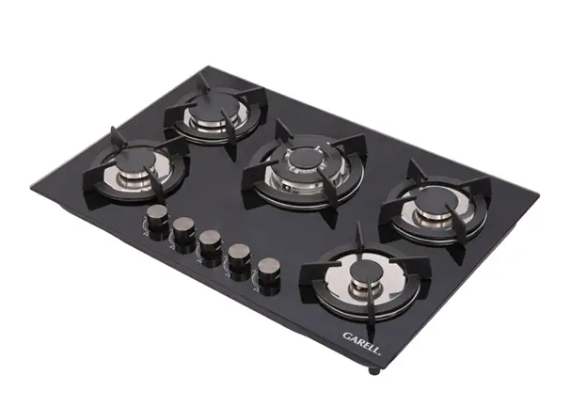
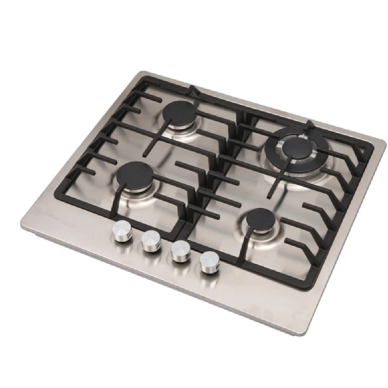
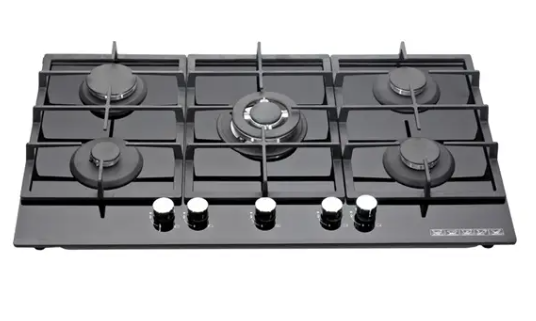
Gas hobs use a direct flame to heat the pan, providing immediate heat control and making them ideal for high-heat cooking techniques such as stir-frying or searing. However, the efficiency of gas hobs is relatively low, typically ranging from 40% to 55%. This is because a significant portion of the heat escapes into the surrounding air rather than being transferred to the cookware. While gas hobs are favored for their instant visual feedback and control, they are less energy-efficient compared to electric models, particularly induction hobs.
How Electric Hobs (Induction) Work
Electric induction hobs, on the other hand, use electromagnetic fields to directly heat the cookware, bypassing the need to heat the surface of the hob itself. This direct energy transfer results in much higher efficiency, with induction hobs boasting an efficiency rate of 85% to 90%. Since almost all the energy generated goes directly into heating the cookware, induction hobs are the most energy-efficient option available, reducing energy waste and cooking times significantly.
Heat Loss in Gas Cooking vs Induction
Gas cooking is inefficient because a considerable amount of heat is lost to the surrounding air. While gas hobs are effective in providing immediate heat control, much of that heat is not used for cooking. Induction hobs, however, are far superior in minimizing energy loss. Their ability to directly heat the cookware allows them to achieve almost zero heat waste. This makes induction not only more efficient but also faster, as there is little time spent heating the surrounding area.

Performance and Control: Cooking with Gas vs Electric
Heat Control and Instant Feedback
Gas hobs are known for their ability to provide instant visual feedback through the flames, allowing cooks to adjust heat levels quickly and precisely. This makes them ideal for methods like stir-frying or charring. In contrast, induction hobs offer precise temperature control but lack the immediate visual feedback of flames. However, they provide rapid, fine-tuned adjustments through digital controls, making them perfect for tasks requiring consistent heat.The following table compares the heat control and instant feedback of gas hobs versus electric induction hobs. By contrasting the feedback mechanisms, adjustment accuracy, and control precision of different types of hobs, you can make a more informed decision based on your cooking style.
| Hob Type | Heat Adjustment Method | Adjustment Precision | Instant Feedback | Suitable Cooking Techniques | Special Advantages |
| Gas Hob | Flame adjustment | High | Visible flame, immediate changes | Stir-frying, searing, grilling | Traditional visual feedback, ideal for high-heat cooking |
| Induction Hob | Digital control, precise temperature control | Very high | Rapid response, no flame feedback | Delicate cooking like simmering or slow cooking | Highly efficient, precise control, no open flame |
Cooking Speed Comparison
Induction hobs heat up significantly faster than gas hobs, thanks to their direct electromagnetic heating method. For example, boiling 2 liters of water on an induction hob takes approximately 4.6 minutes, whereas a gas hob can take over 12 minutes. The rapid heat transfer in induction cooking not only speeds up cooking times but also increases efficiency. Induction hobs avoid heat loss to the air, unlike gas, which loses much of its energy. This makes induction hobs ideal for fast-paced cooking environments, reducing overall energy consumption and cooking time.
Versatility in Cooking Methods
Gas hobs are highly versatile, especially for high-heat cooking methods such as stir-frying, searing, and wok cooking. The immediate visual feedback provided by the flames allows for quick temperature adjustments, which is essential for techniques that require precise control over heat intensity. However, while gas excels at these high-heat methods, induction hobs offer superior control for low- and medium-heat tasks. Induction’s precise, even heating makes it excellent for delicate cooking like simmering sauces, melting chocolate, or cooking at constant low temperatures, providing a more controlled cooking environment.
Energy vs Cost Efficiency: Which Hob Saves More Money?
Running Costs of Gas vs Electric
Although gas is generally cheaper per unit (for instance, in the UK, gas costs around 6.29p per kWh, whereas electricity costs 26.35p per kWh), it is important to consider both the efficiency and the overall running costs. Gas hobs may have lower monthly operating costs, but their energy inefficiency means they require more energy to cook the same amount of food compared to induction hobs. Induction hobs, although they tend to cost more per unit of electricity, make up for this with their superior energy efficiency.
Long-Term Savings: Energy Efficiency vs Operating Costs
For households that cook frequently, choosing an energy-efficient hob can lead to significant long-term cost savings. The table below details the comparison between gas and induction hobs in terms of long-term operating costs and energy efficiency to help you make an informed economic decision.
| Hob Type | Energy Efficiency | Energy Consumption (per hour) | Annual Energy Consumption | Unit Cost of Energy | Monthly Operating Cost (30 hours cooking) | Annual Operating Cost (360 hours cooking) | Environmental Impact | Long-Term Savings |
| Gas Hob | 40%-55% | 0.24 kWh | 7.2 kWh | 6.29p/kWh (Gas) | £4.51 (for 30 hours) | £54.12 | Higher CO2 emissions, indoor pollutants | Lower upfront cost, but inefficient |
| Induction Hob | 85%-90% | 0.14 kWh | 4.2 kWh | 26.35p/kWh (Electric) | £11.45 (for 30 hours) | £137.40 | Low CO2 emissions, cleaner cooking | Higher upfront cost, long-term savings due to efficiency |
| Electric Hob | 70%-75% | 0.18 kWh | 5.4 kWh | 26.35p/kWh (Electric) | £6.90 (for 30 hours) | £82.80 | Moderate CO2 emissions | Moderate cost, not as efficient as induction |
Tip: Although induction hobs may have a higher upfront cost, their superior energy efficiency offers substantial long-term savings, particularly for regular cooks. Gas hobs, while cheaper to operate in some regions, are less energy-efficient overall.
Environmental Impact and Cost-Effectiveness
Gas hobs have a larger environmental footprint compared to induction hobs due to the direct emissions of nitrogen oxides (NOx) and methane during cooking. Induction hobs, being powered by electricity, contribute far less to indoor air pollution and can be powered by renewable energy sources. Therefore, induction hobs not only help save money through energy efficiency but also present a cleaner option for the environment.
Installation and Safety Considerations
Installation Requirements for Gas and Electric Hobs
Gas hobs require a dedicated gas line and proper ventilation systems to prevent hazardous gas buildup. The installation process for gas hobs often necessitates a certified professional, such as a gas engineer, to ensure safety standards are met. Induction hobs, however, only need an electrical connection with sufficient amperage (typically 15A to 32A), which is common in modern kitchens. This makes induction hobs easier to install, especially in new builds or homes that already have the appropriate wiring. However, older homes may require electrical upgrades to accommodate induction hobs.
Safety Concerns with Gas vs Electric
Gas hobs, while offering precise control over heat, have significant safety risks due to the open flame. Improper ventilation or gas leaks can lead to carbon monoxide buildup, which is a serious health hazard. Additionally, gas flames pose a burn risk, especially in households with young children. Induction hobs, on the other hand, eliminate open flames and significantly reduce burn risks, as their cooking surfaces stay cool. Their automatic shut-off systems also enhance safety by halting the cooking process when cookware is removed, preventing accidents and reducing fire hazards.
Safety Features of Electric Hobs
Induction hobs offer advanced safety features, including child-lock functions, automatic shut-off mechanisms, and residual heat indicators, making them ideal for family kitchens. These features ensure that cooking is safer, as the hob remains cool to the touch, and there is no risk of accidental burns. Electric ceramic hobs, while still safer than gas hobs, retain residual heat for longer periods even after they are turned off, posing a risk of burns if not properly monitored. Induction hobs provide a much safer environment, particularly in households with children and pets.

Maintenance and Cleaning: Gas vs Electric Hobs
Cleaning Gas Hobs
The following table compares the cleaning and maintenance requirements for gas and induction hobs. It outlines cleaning difficulty, required tools, maintenance frequency, and specific challenges, helping you choose the hob that best fits your lifestyle.
| Hob Type | Cleaning Difficulty | Required Cleaning Tools | Cleaning Frequency | Common Cleaning Challenges | Maintenance Requirements | Best Cleaning Practices |
| Gas Hob | High | Cleaner, wire brush, cloth, degreaser | Weekly (1-2 times) | Grates, burner heads, grease and food residue | Regular checks for gas leaks, burner maintenance | Clean after each use, avoid grease buildup |
| Induction Hob | Low | Damp cloth, mild cleaner | After every use | Surface stains, mild heat residue | Minimal maintenance, occasional parts replacements | Wipe down after use, avoid abrasive cleaners |
| Electric Hob | Medium | Soft cloth, surface cleaner | Weekly, after heavy use | Residual heat marks, longer cooling time | Clean surface after every use | Use soft cloth, avoid harsh scrubbing materials |
Tip: If ease of cleaning is a priority, induction hobs offer a significant advantage due to their smooth, easy-to-wipe surfaces, while gas hobs require more frequent and thorough cleaning.
Cleaning Electric and Induction Hobs
Induction hobs are not only easy to clean but also have an advantage in terms of hygiene. The cooking surface remains cool to the touch, reducing the likelihood of food burning onto it. The absence of heat loss around the cookware means less mess on the surface. Ceramic electric hobs, while easy to wipe down, may retain residual heat for longer periods, increasing the risk of accidental burns. Over time, both induction and ceramic hobs require minimal cleaning, but it is important to avoid abrasive cleaners, as they can damage the smooth surface, reducing its lifespan.
Long-Term Maintenance Costs
Gas hobs require regular maintenance due to their combustion process, which involves cleaning burner heads and checking gas lines for leaks. Over time, these components can wear down, leading to inefficiency or even safety hazards. Induction hobs, by contrast, have fewer mechanical parts, with no need for gas line inspections or burner cleaning. They do require occasional checks of the electronic controls and cookware compatibility, but their low-maintenance design makes them more cost-effective over time. With proper care, induction hobs often have a longer lifespan and fewer recurring costs compared to gas hobs.
Which Hob Is Best for Your Cooking Style?
Best for Professional Chefs and High-Heat Cooking
Professional chefs and advanced home cooks prefer gas hobs due to their immediate heat response and flame control, which are essential for high-heat techniques like searing, stir-frying, and wok cooking. The visual flame allows for instant adjustments, making it easier to achieve the desired cooking result. Gas hobs also perform well in cooking that requires quick temperature changes, such as charring vegetables or flambéing, where precise control is necessary.
Best for Home Cooks and Everyday Use
Induction hobs are ideal for home cooks who prioritize energy efficiency, safety, and precise control. Their rapid heating times, combined with digital temperature settings, allow for quick, even cooking. For tasks like simmering, boiling, and gentle cooking, induction hobs excel. They provide a modern, sleek design with easy-to-clean surfaces. Ceramic electric hobs are also a practical option, offering simplicity and ease of use for daily meals, though their slower heat response can be a limitation for certain tasks.
Suitability for Families
Safety is a major concern for families, and induction hobs address this with features such as cool-to-touch surfaces, automatic shut-off, and pan detection, reducing the risk of burns or accidents. With no open flames, induction hobs are much safer for households with children or pets. Additionally, their efficiency and faster cooking times help busy families prepare meals quickly while reducing energy consumption. Induction hobs also minimize kitchen heat buildup, maintaining a more comfortable environment during cooking.
Conclusion
In this article, we've compared gas and electric hobs in terms of efficiency, performance, and cost. Gas hobs excel at providing quick heat adjustments and are favored for high-heat cooking techniques like stir-frying and wok cooking. However, they are less energy-efficient and come with safety concerns such as open flames and gas leaks. On the other hand, induction hobs offer superior energy efficiency, faster cooking times, and advanced safety features, making them an ideal choice for modern kitchens. If you're looking for a reliable, energy-efficient cooking solution, Zhongshan Jiaye Electric Appliance Technology Co., Ltd. offers a range of induction hobs that provide precision, speed, and safety. Their products are designed to meet the needs of both home cooks and professional chefs, offering exceptional performance while reducing energy consumption. Whether you prioritize cooking speed or safety, their induction hobs are the perfect choice for your kitchen and lifestyle.
FAQ
Q: Are Gas Hobs more energy-efficient than electric models?
A: No, Gas Hobs are generally less energy-efficient than electric models. Gas hobs lose a significant amount of heat to the surrounding air, while induction hobs transfer heat directly to cookware, making them more energy-efficient.
Q: How does a Gas Hob work?
A: A Gas Hob uses an open flame to heat pans, providing immediate heat control. This allows for quick adjustments but results in energy inefficiency as much of the heat is lost to the air.
Q: Which is better for quick cooking, Gas Hob or electric?
A: Gas Hobs offer fast heat adjustments, but induction hobs heat up much quicker, boiling water in half the time compared to gas, making them more suitable for fast cooking.
Q: Do Gas Hobs require professional installation?
A: Yes, Gas Hobs require professional installation to ensure safe gas line connections and proper ventilation, which are essential for safe operation.
Q: Why are Gas Hobs still popular despite being less efficient?
A: Gas Hobs are popular for their immediate flame control and suitability for high-heat cooking methods like stir-frying, searing, and wok cooking, which require precise heat adjustments.
Q: Can I use any cookware on a Gas Hob?
A: Yes, Gas Hobs are compatible with most cookware, including cast iron, stainless steel, and non-stick pans, as long as they are heat-resistant and can sit securely on the burner.
Q: How much does a Gas Hob cost to run?
A: The running cost of a Gas Hob is relatively low compared to electricity, but it depends on your usage and local gas prices. However, Gas Hobs are less energy-efficient, which can lead to higher overall energy consumption.