- All
- Product Name
- Product Keyword
- Product Model
- Product Summary
- Product Description
- Multi Field Search
Views: 0 Author: Site Editor Publish Time: 2026-09-18 Origin: Site

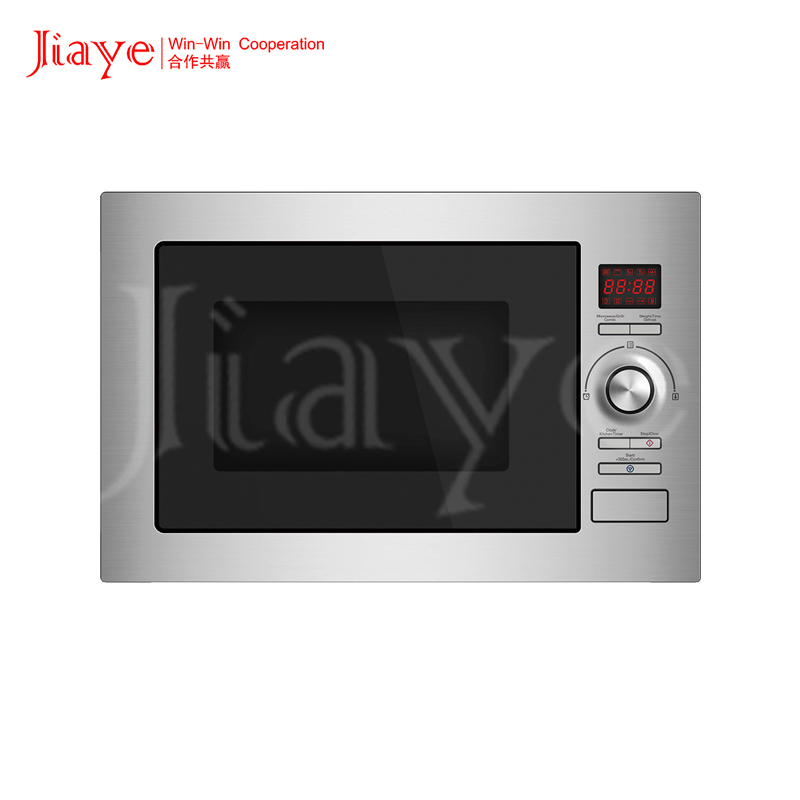
Kitchen counter space is a premium asset in modern home design. Transitioning to a Built-in Microwave Oven reclaims this valuable real estate by integrating the appliance directly into the cabinetry. However, selecting the correct footprint presents a notorious engineering challenge for homeowners. Miscalculating cabinet dimensions frequently results in costly renovation delays and compromised safety. In this technical guide, we will break down the exact process of sizing and selecting the ideal unit. Specifically, we will evaluate the highly requested 28-liter capacity, comparing functional versatility and critical installation tolerances to ensure a flawless kitchen upgrade.
Capacity Optimization: A 28-liter capacity serves as the optimal standard for medium-to-large households. It easily accommodates standard dinnerware and medium casserole dishes without requiring oversized custom cabinetry.
Measurement Precision: Appliance dimensions and cabinet cut-out dimensions are fundamentally different metrics. Buyers must account for rear clearance, top ventilation, and electrical plug depth to ensure a safe and flush installation.
Functional Versatility: Modern units extend far beyond simple reheating. Comparing solo, grill, and convection functions is critical for matching the heating elements to your specific culinary habits.
Digital Accuracy: Upgrading to a solid-state digital interface provides precise time control and automated sensor cooking. Furthermore, the flat control surface is significantly easier to sanitize than traditional mechanical dials.
Aesthetic Alignment: Selecting the correct trim kit, door mechanism, and exterior finish ensures the microwave integrates flawlessly with existing primary wall ovens.
When evaluating culinary devices, internal volume dictates everyday usability. A 28-liter capacity translates to roughly 1.0 cubic foot of interior space. Appliance engineers and industry experts widely consider this specific volume the ideal baseline for medium-to-large households. In practical terms, a well-designed 28-liter cavity features a turntable diameter of approximately 315 millimeters or 12.4 inches. Consider a high-traffic dinner service. A 315-millimeter turntable easily accommodates a 12-inch ceramic casserole dish without jamming against the interior cavity walls.
Conversely, smaller 20-liter models frequently struggle with full-sized dinnerware. This spatial restriction results in uneven heating as plates catch on the interior edges and fail to rotate. Oversized units exceeding 34 liters demand massive cabinet cut-outs. These bulky dimensions disrupt standard cabinetry layouts. Consequently, they consume real estate better utilized for pantry storage. Therefore, the 28-liter footprint strikes a pragmatic balance, providing ample room for family-sized meal preparation while adhering strictly to standard cabinet dimensions.
Countertop real estate remains one of the most fiercely protected metrics in interior architecture. Traditional freestanding microwaves devour this footprint, often interrupting the natural workflow between the sink, stove, and chopping board. Transitioning to an integrated design completely removes this bulky machine from your primary work surface.
Beyond mere space optimization, flush-mount installations offer a streamlined aesthetic. When housed in a dedicated appliance tower directly above a primary convection oven, the microwave transforms into an intentional part of the room's infrastructure. This custom-kitchen integration eliminates the visual chaos of tangled power cords and dusty rear grilles. Ultimately, it modernizes the space and elevates the overall property value.
The most frequent trap buyers fall into is confusing the physical exterior of the microwave with the required cabinet void. The appliance dimension is the exact measurement of the machine itself, including the overlapping front trim. In contrast, the cut-out dimension represents the negative space inside the wooden housing required to anchor the unit safely.
For a standard 28-liter unit, the front fascia is typically crafted to align perfectly with standard 600-millimeter wide European and North American cabinetry. However, the internal chassis is deliberately narrower. This design allows the metal body to slide smoothly into the wooden frame. Installers must always consult the specific manufacturer’s technical drawing before modifying cabinetry, as manufacturing tolerances can vary by a few millimeters between brands.
Unlike countertop models that freely vent heat into the open room, an integrated unit operates within a confined wooden box. Magnetrons generate substantial thermal energy during operation. Without meticulously planned airflow, the appliance will rapidly overheat. This thermal spike triggers the safety switch and potentially fries delicate internal electronics.
Manufacturers strictly mandate specific ventilation channels. Typically, installers must maintain a minimum clearance of 45 to 50 millimeters at the rear of the cabinet. Air intake usually occurs at the bottom front of the fascia, while exhaust is forced out through a concealed top channel. Buyers must verify that their cabinet design accommodates these air intake and exhaust gaps, typically demanding 250 square centimeters of airflow. In addition, it is wise to place the electrical socket in an adjacent cupboard rather than directly behind the chassis. This strategic placement prevents the bulky plug from violating your critical depth clearance.
To achieve that coveted flush appearance, built-in units utilize a front frame or trim kit. This metal or glass border overlaps the raw wooden edges of the cut-out, masking any gaps and securely anchoring the device.
Always verify whether this trim kit comes integrated into the chassis or if it requires a separate purchase. Integrated frames are generally superior from an engineering standpoint. They offer a more seamless installation process with fewer visible screws. During the measurement phase, double-check that adjacent cabinet doors or pull-out drawers will not collide with this overlapping trim when swung open.
Observing recent shifts in the kitchen appliance sector, there is a pronounced market trend toward multi-functional, space-optimized units. Industry analysts note that contemporary buyers are rapidly moving away from single-purpose, bulky countertop models. Instead, consumer demand is heavily skewed toward integrated appliances that blend high-end minimalist aesthetics with smart-sensor technology. This evolution indicates that evaluating a built-in microwave is no longer just a matter of checking raw wattage. It requires a holistic assessment of how the unit's thermal management, footprint efficiency, and smart capabilities align with modern architectural designs and fast-paced culinary lifestyles.
Pinpointing your daily culinary habits is crucial before selecting a feature set. The market generally divides these appliances into three distinct functional tiers based on their internal heating elements.
Function Type | Heating Technology | Primary Culinary Use | Cabinet Heat Load |
|---|---|---|---|
Solo Microwave | Standard Magnetron (e.g., 900W) | Defrosting proteins, reheating liquids, melting butter. | Low to Moderate |
Grill Microwave | Magnetron + Top Quartz/Halogen Element (e.g., 1000W) | Crisping pizza crusts, browning poultry skin, melting cheese. | Moderate to High |
Convection Microwave | Magnetron + Rear Element + Circulating Fan | Baking pastries, roasting vegetables, uniform browning. | High (Requires strict ventilation) |
For a 28-liter capacity, opting for a grill model drastically maximizes the utility of your kitchen. High-performance units often pair a 900-watt microwave output with a 1000-watt top grill. This combination serves as an invaluable secondary oven during chaotic holiday meal preparations.
Modern iterations are equipped with intelligent algorithms designed to eliminate the guesswork from meal prep. Standard auto-cook menus allow you to select a food category, input the weight, and let the machine calculate the optimal power level and duration.
Taking it a step further, premium models boast humidity and steam sensors. Rather than relying on rigid weight inputs, these sensors actively monitor the moisture released by the food as it cooks. Once the optimal temperature and humidity threshold is reached, the magnetron automatically shuts off. This empirical approach effectively prevents the tragedy of dried-out chicken breasts or the dreaded frozen center in a reheated lasagna.
Multi-stage cooking is a highly practical programmable feature that sequences different heating modes without requiring manual intervention. For instance, you can program the interface to gently defrost a block of ground beef by weight, and then immediately transition to a robust 80 percent power mode to cook it through. This seamless handoff ensures food safety by initiating the cooking process the very second defrosting concludes, thereby minimizing the window for bacterial growth.
When evaluating modern kitchen upgrades, the control interface is a pivotal factor impacting both daily convenience and long-term durability. While mechanical dials possess a certain retro charm, upgrading to a Digital Microwave Oven unlocks significant engineering advantages in precision, hygiene, and aesthetic appeal.
Mechanical timers inherently rely on physical spring mechanisms, which degrade and lose accuracy over time. Trying to set a dial to exactly 45 seconds is essentially a guessing game. In stark contrast, a digital touch panel operates via solid-state electronics and microprocessors.
This architecture grants users exact, second-by-second control over cooking durations. Furthermore, digital interfaces allow for pinpoint power level adjustments. Selecting exactly 40 percent power for a gentle simmer is effortless. This precision proves critical for delicate culinary tasks, such as softening a stick of butter without accidentally liquefying it into a greasy puddle.
Digital models prominently feature high-contrast LED or LCD screens. Beyond merely displaying the remaining cook time, these bright interfaces often serve as the central timekeeping hub for the entire kitchen. Many units include an independent countdown timer that functions even when the microwave is idle. This allows a home chef to time a boiling pot of pasta on the stove while simultaneously prepping other ingredients.
From a strictly practical standpoint, digital touchpads drastically outperform mechanical controls in maintenance. Physical buttons and rotary dials inherently create tiny crevices. Over months of use, airborne frying grease, stray flour, and moisture inevitably accumulate in these gaps. This build-up degrades the components and creates a sticky mess. A digital panel features a completely flat, sealed membrane or glass surface. A quick swipe with a damp microfiber cloth and a drop of mild degreaser instantly restores the interface to a pristine shine.
An integrated appliance must speak the same visual language as your existing cabinetry and hardware. The overarching appeal of built-in units lies in their ability to deliver a flush, bespoke look.
To maintain visual harmony, the exterior finish should closely mirror surrounding appliances, especially if stacked in a tower configuration.
Brushed Stainless Steel: Offers a professional, industrial vibe. It is highly durable, though buyers should seek out anti-fingerprint coatings to minimize daily smudges.
Black Tempered Glass: Delivers a sleek, highly reflective, and minimalist appearance. It is exceptionally easy to wipe down and pairs beautifully with contemporary, handle-less cabinetry.
Frameless Designs: Where the glass extends to the very edge without a visible metal border, these models are currently dominating ultra-modern luxury kitchen renovations.
The way you interact with the door is a crucial ergonomic detail.
Push-Button Release: This mechanism maintains a completely flat front profile, utilizing an electronic or mechanical switch to pop the latch. It is ideal for minimalist designs that shun protruding hardware.
Pull Handle: Providing a firm, physical grip, this option is highly practical for busy households or users with limited hand mobility. Savvy buyers often select a handle shape that mimics the hardware on their primary oven or lower drawers.
While the exterior catches the eye, the interior dictates thermal efficiency and longevity. Basic painted metal interiors are prone to chipping and peeling, eventually exposing the raw metal to rust. For a lasting investment, prioritize stainless steel cavities. A stainless steel interior is incredibly robust and reflects microwaves efficiently for rapid heating. It withstands the high temperatures generated by grill elements and resists absorbing lingering food odors.
Embedding a powerful heating device inside wooden furniture demands strict adherence to safety protocols. Modern units are engineered with failsafes to protect both the user and the home infrastructure.
For households with curious toddlers, safety is non-negotiable. This is particularly true if the unit is installed in a lower kitchen island base. Digital interfaces universally feature electronic child locks. By holding a designated button sequence, usually by holding the cancel button for three seconds, the entire panel is disabled. This prevents a child from accidentally turning on an empty microwave, a scenario that can rapidly destroy the magnetron and create a severe fire hazard.
Heat dissipation is the lifeblood of built-in appliances. Enclosed units must actively manage their internal climate. Premium models utilize powerful cross-flow cooling fans that draw fresh ambient air in and force hot exhaust out through designated front vents. These fans often continue humming for several minutes after your food is done to cool the circuitry. Additionally, integrated Thermal Cut-Out switches act as an emergency brake. If the internal cabinet temperature spikes dangerously due to blocked airflow, the thermal switch instantly severs the power supply.
Microwaves notoriously draw phantom power to keep their clocks illuminated continuously. To combat this subtle energy drain, modern digital units feature a dedicated Eco-Mode. When engaged, this function completely darkens the display and powers down non-essential sensors during periods of inactivity. While the daily savings might seem negligible, this feature noticeably reduces household electricity consumption over the appliance's lifespan.
Making the final call requires a methodical review of your kitchen's physical constraints and your personal cooking style.
Use this objective checklist to prevent frustrating installation failures:
Cut-Out Depth: Measure the internal cabinet hole. Ensure it offers at least 500 millimeters of depth, accounting for mandatory rear ventilation gaps.
Electrical Access: Locate your socket. Confirm it is accessible and positioned slightly off-center so the plug does not push the microwave forward.
Function Selection: Honestly assess your habits. Choose Solo for basic reheating or Grill for crisping and browning.
Hinge Clearance: Verify that the microwave door can swing open a full 90 degrees without slamming into an adjacent cabinet handle or wall.
Trim Kit Inclusion: Check the engineering schematics to confirm if the installation fascia is integrated into the chassis or requires a separate, additional purchase.
When sourcing major kitchen upgrades, prioritize manufacturers that offer transparent technical schematics, robust warranties, and premium internal components like solid-state relays. If you require a model that strictly adheres to standard cabinet dimensions while offering advanced sensor cooking and a sleek glass aesthetic, you should evaluate the specifications of a premium 28L Microwave Oven. Models in this category are precisely engineered to provide the exact balance of a 1.0 cubic foot capacity, a 900-watt magnetron, robust thermal safety cut-outs, and the pinpoint digital controls required for modern, high-efficiency kitchens.
Investing in an integrated microwave dramatically elevates both the functionality and visual appeal of your kitchen. However, this upgrade demands careful engineering and planning. Accurate cabinet measurements and a clear understanding of thermal ventilation requirements guarantee a safe, flush installation. By prioritizing digital controls and smart-sensor technology, you gain unparalleled precision in your daily meal preparation. Review your cabinet specifications, consult the pre-purchase checklist, and explore recommended digital models to confidently execute your kitchen modernization. For homeowners and contractors looking to source dependable, high-performance units, exploring the comprehensive lineup at Jiaye World ensures you find an appliance that perfectly bridges structural requirements and culinary ambition.
While exact specifications fluctuate slightly between brands, a standard 28-liter built-in microwave typically requires a cabinet cut-out width of 560 to 600 millimeters, a minimum depth of 500 millimeters, and a height ranging from 380 to 400 millimeters. It is absolutely imperative to consult the specific technical drawing of your chosen model to ensure adequate clearance for both the chassis and the trim kit.
No. Countertop models are engineered to vent hot air from their sides, top, or back. Placing them inside an enclosed wooden box chokes this airflow, creating a severe fire hazard and virtually guaranteeing premature motor failure. A true built-in model is explicitly designed with front-facing exhaust vents or integrated rear airflow channels to operate safely within confined spaces.
Modern digital solid-state control panels are exceptionally durable and frequently outlast traditional mechanical systems. Rotary dials rely on physical springs and electrical contacts that can wear out, loosen, or become jammed with airborne kitchen grease. A flat digital touch panel eliminates these vulnerable moving parts while sealing the internal microprocessors away from moisture and debris.
Yes. A 28-liter capacity is widely considered the optimal size for everyday family use. It typically features a glass turntable measuring around 315 millimeters in diameter. This comfortably accommodates standard 10-to-12-inch dinner plates, tall beverage mugs, and medium-sized square casserole dishes without obstructing the rotation mechanism.
If your cabinet already houses a dedicated, correctly rated, and grounded power socket, a built-in microwave is usually a straightforward plug-and-play appliance that simply needs to be slid in and screwed to the cabinet frame. However, if a new electrical outlet must be routed into the cabinet space, you are required to hire a licensed electrician to ensure strict compliance with local building and fire safety codes.
Proper thermal management requires strict adherence to ventilation guidelines. Most manufacturers specify a minimum gap of 45 to 50 millimeters at the rear of the cabinet. Additionally, the cabinet design must allow for an air intake and exhaust cross-section of at least 250 square centimeters. Failing to provide this airflow will trigger the thermal safety switches and shut down the appliance during use.
Generally, no. Trim kits are highly specific to the exact dimensions, ventilation routing, and mounting brackets of a particular microwave chassis. Even within the same brand, a new model year may feature slightly different screw placements or exhaust vent locations. Attempting to force a new microwave into an old trim kit usually results in misaligned gaps or dangerous ventilation blockages.