
- All
- Product Name
- Product Keyword
- Product Model
- Product Summary
- Product Description
- Multi Field Search
Views: 0 Author: Site Editor Publish Time: 2025-09-25 Origin: Site

In today's fast-paced world, kitchen appliances that offer versatility and efficiency are more valuable than ever. A microwave with grill functionality combines the speed of microwave cooking with the ability to brown and crisp food, providing a unique cooking experience. But is it worth the investment? This article explores the benefits and drawbacks of microwave ovens with grill options, helping you decide if this multifunctional appliance is a worthy addition to your kitchen.
A microwave with grill is a kitchen appliance that combines traditional microwave cooking with a grilling function. It uses microwave energy to heat food quickly and an electric heating element to brown or crisp the surface. This dual functionality offers more cooking options than a standard microwave.
Key features include:
● Microwave heating: Rapidly cooks food by exciting water molecules inside it.
● Grill element: Usually a heating coil or quartz tube located at the top inside the oven.
● Grill rack: A metal rack placed near the grill element to hold food for browning.
● Combination modes: Allows use of microwave, grill, or both during cooking.
This setup lets you cook or reheat food fast while achieving textures like crispiness or browning, which regular microwaves cannot provide. It’s especially handy for dishes such as grilled sandwiches, roasted vegetables, or small cuts of meat.
The grill function works by turning on the heating element above the food. This element heats up to high temperatures, similar to a broiler in an oven. When activated, it browns and crisps food surfaces by direct radiant heat.
Meanwhile, the microwave energy penetrates the food, cooking it internally and speeding up the process compared to conventional grilling. Some models allow both microwave and grill to run simultaneously or in stages, depending on the recipe.
Here’s a simplified overview of the process:
1. Microwave energy heats the food’s interior quickly.
2. The grill element radiates heat to brown the exterior.
3. A metal rack holds food closer to the grill for better crisping.
4. Some units use programmed cycles to switch between microwave and grill automatically.
This combination lets you enjoy grilled textures without needing a separate grill appliance or outdoor setup. However, the grilling space is smaller than a traditional oven or grill, so it suits smaller portions or thinner cuts better.
When using the grill function, avoid placing food directly on the microwave’s turntable; use the provided grill rack to ensure even browning and prevent damage.
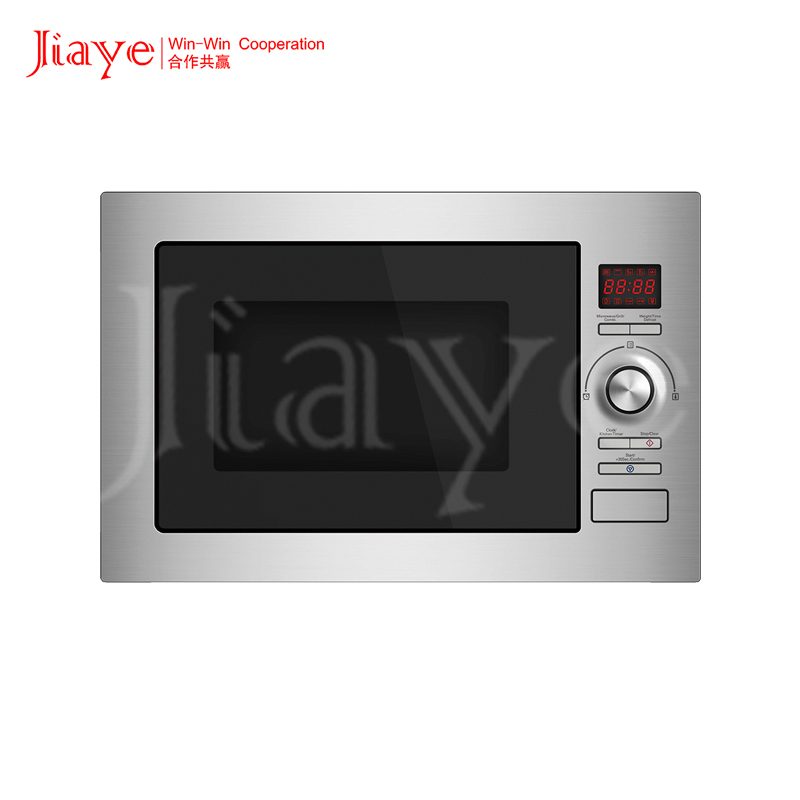
Microwave ovens with grills offer more cooking options than standard microwaves. They not only heat food quickly but also brown and crisp it, creating textures and flavors similar to oven grilling. This means you can prepare grilled sandwiches, roasted veggies, or even small cuts of meat with a delicious crust that a regular microwave can’t achieve. The combination lets you enjoy meals that are both fast and flavorful, making cooking more versatile and enjoyable.
These combination appliances save valuable kitchen space by merging two functions into one unit. Instead of needing both a microwave and a separate grill or toaster oven, you get both features in a compact device. This is especially helpful in small kitchens, apartments, or offices where countertop space is limited. It keeps your cooking area less cluttered and more organized while still providing multiple cooking methods.
Using a microwave with a grill speeds up meal prep because it cooks food inside quickly while finishing with a grill to brown the outside. This dual action reduces total cooking time compared to using a conventional oven or grill alone. Many models include preset cooking cycles that automatically switch between microwave and grill modes, so you don’t have to adjust settings manually. This convenience lets you prepare meals faster and with less effort, perfect for busy lifestyles.
Regularly clean the grill rack to maintain optimal browning and prevent buildup that can affect cooking performance.
Microwave ovens that include a grill function usually cost more than standard microwaves. The added technology and components, such as the heating element and grill rack, increase manufacturing expenses. For buyers on a budget, this higher price might be a drawback. If you mainly reheat food, a basic microwave may be more cost-effective. But if you plan to use the grill feature often, the extra expense might be worthwhile for the versatility it offers.
Because the grill element and rack take up space inside, these microwaves often have a smaller interior than regular models. This means less room for plates, bowls, or larger food items. If you frequently cook big portions or bulky dishes, the reduced capacity might feel limiting. It’s important to check the oven size before buying to ensure it fits your typical cooking needs. Smaller capacity also means you may need to cook in batches for bigger meals.
The grill function adds cleaning tasks beyond those for a regular microwave. The metal grill rack collects grease, food crumbs, and splatters during cooking. These residues can build up, causing odors or smoke if not cleaned regularly. Unlike the smooth turntable, the grill rack has crevices that require more attention. Frequent removal and washing of the rack are necessary to maintain hygiene and cooking performance. Additionally, the grill element itself may need occasional wiping once cooled.
To keep your microwave grill in top shape, clean the grill rack after each use and wipe down the interior to prevent grease buildup and odors.
Microwave ovens with grills shine when it comes to saving time. They combine two cooking methods into one, speeding up meal prep. The microwave heats food quickly from the inside out. Then, the grill adds a crispy, browned finish. This dual action means you don’t have to wait long for your food to cook and get that appealing texture.
Many models offer preset cooking programs that automatically switch between microwave and grill modes. This automation saves you from adjusting settings manually. For busy households, this can be a real time-saver. For example, cooking a chicken breast might take 8-12 minutes in a microwave grill, compared to 20-25 minutes in a traditional oven. That’s nearly half the time.
In addition, using the grill function alone can be faster than traditional grilling methods, especially when cooking smaller portions. The compact size of these appliances means less preheating time than full-sized ovens or outdoor grills.
Microwave grills offer impressive versatility. They let you cook, reheat, brown, and crisp food all in one device. You can prepare a wide range of dishes, from grilled sandwiches and roasted vegetables to small cuts of meat. This flexibility means fewer appliances cluttering your kitchen.
Control over cooking is another benefit. Many units allow you to adjust power levels and cooking times. This helps you avoid overcooking or drying out food. Some even feature sensor cooking, which detects moisture and adjusts cooking automatically. This leads to more consistent results.
The grill rack placement also gives you control over browning. Placing food closer to the grill element increases crispiness. Meanwhile, the microwave energy ensures the interior cooks thoroughly. This balance helps you achieve textures and flavors that a regular microwave can’t.
However, it’s important to note that microwave grills have smaller cooking spaces. They suit smaller portions or thinner cuts better than large roasts. For those, a conventional oven or grill might be preferable.
To maximize efficiency, use combination cooking modes that alternate microwave and grill functions for even cooking and perfect browning every time.
Using a microwave with grill involves some safety risks you should know. The grill element inside heats up to very high temperatures, which can cause burns if touched accidentally. Always wait for the grill to cool before cleaning or handling parts like the grill rack.
Another hazard comes from improper use of cookware. Metal pans or racks are fine for grilling, but using non-microwave-safe plastics or containers can release harmful chemicals or even cause fires. Always check if your cookware is safe for microwave grilling.
Grease and food splatters can also pose risks. If grease builds up on the grill element or rack, it may smoke or even ignite during cooking. Regular cleaning helps prevent this. Additionally, overheating food or using incorrect settings might cause sparks or damage the appliance.
Microwave grilling combines microwave energy and radiant heat. This method cooks food quickly and can help retain nutrients better than some traditional cooking methods. Since grilling uses less oil, it can be a healthier choice compared to frying.
However, grilling at high heat may produce compounds like heterocyclic amines (HCAs) or polycyclic aromatic hydrocarbons (PAHs), which some studies link to health risks. Microwave grills generally produce less smoke and char than outdoor grills, potentially reducing these compounds.
Still, overcooking or burning food should be avoided. To minimize health risks, monitor cooking times closely and avoid charring. Using marinades and turning food frequently can also reduce harmful compound formation.
Always use microwave-safe cookware and clean grill parts regularly to ensure safe operation and avoid fire hazards during microwave grilling.
Microwave grills aim to mimic the taste and texture of traditional grilling but often fall short of fully replicating it. Traditional grills use direct heat from charcoal, gas, or wood, which imparts a distinctive smoky flavor and creates a crispy, charred exterior on foods. This charring also adds complex flavor compounds that many people associate with grilled dishes.
In contrast, microwave grills use an electric heating element combined with microwave energy. This method browns and crisps food surfaces but lacks the smoky aroma and deep char typical of outdoor grilling. The texture is often less crispy and may feel slightly different, especially on thicker cuts of meat. For thin items like sandwiches, veggies, or small meat portions, microwave grills do a decent job creating a satisfying crust.
While microwave grilling can produce a pleasant browning effect, the absence of smoke and open flame means it cannot fully replicate the flavor profile of traditional grilling. However, it offers a convenient alternative for those who want grilled-style food without outdoor equipment or lengthy cooking times.
Microwave grills excel in convenience compared to traditional grills. They fit easily on kitchen countertops, require no outdoor space, and can be used year-round regardless of weather. Traditional grills need setup, fuel, and cleaning of large surfaces, which can be time-consuming and messy.
Microwave grills heat up quickly and cook food faster due to microwave penetration. Many models include preset cooking cycles that switch between microwave and grill modes automatically, reducing the need for supervision. Cleanup is generally easier too, though the grill rack requires regular washing.
For small households, busy schedules, or limited living spaces, microwave grills offer a practical solution. They combine quick cooking and browning in one appliance, saving space and effort. However, for grilling enthusiasts who prioritize authentic flavor, texture, and larger cooking capacity, traditional grills remain the preferred choice.
To get the best results from a microwave grill, use it for smaller, thinner foods that benefit from quick browning rather than thick cuts that need slow, smoky cooking.
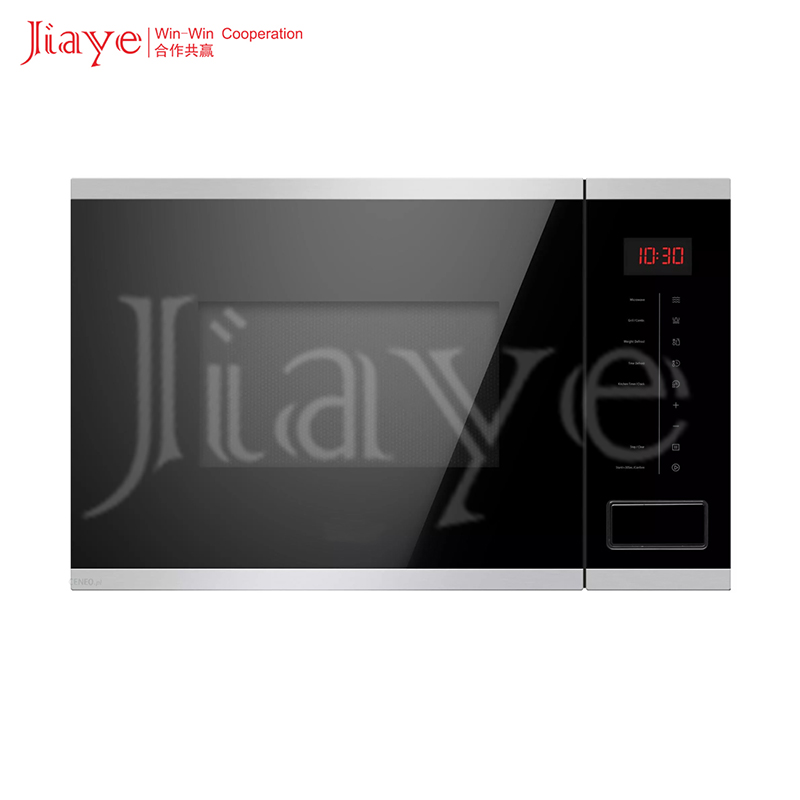
Choosing foods that grill well in a microwave with grill function is key to great results. Thin cuts of meat like chicken breasts, steaks, or fish fillets cook evenly and brown nicely. Vegetables such as bell peppers, zucchini, and asparagus also work well, as they crisp without drying out. Sandwiches and small pizzas benefit from the grill’s browning effect, giving a tasty crust.
Avoid thick roasts or whole poultry, as the microwave grill’s smaller cavity limits even cooking. Large, dense foods may cook unevenly or stay underdone inside. Also, foods with high water content, like watermelon or cucumbers, don’t grill well because they don’t brown easily.
Using pre-cut or portioned foods helps ensure even cooking. Marinating meats beforehand can improve flavor and reduce charring risks. Lightly oiling veggies or sandwiches can also enhance browning and prevent sticking.
Getting cooking times and power levels right takes some practice. Most microwave grills offer multiple power settings and preset cooking modes. These help balance microwave heat for internal cooking and grill heat for browning.
Start with manufacturer guidelines or preset modes for common foods, then adjust based on your preferences. For example, use medium microwave power combined with the grill to avoid overcooking the outside while undercooking the inside.
Turn food halfway through grilling to promote even browning and cooking. Use the grill rack to position food closer to the heating element for a crispier finish. For delicate items, reduce grill time to prevent burning.
If your microwave grill runs microwave and grill simultaneously, this usually speeds cooking but may require shorter overall times. If the functions run consecutively, expect a slightly longer total cook time but more control over texture.
Always monitor food closely the first few times using new recipes or settings. Microwaves vary in power, so times may need tweaking. Using a food thermometer helps ensure meats reach safe internal temperatures without overcooking.
Experiment with small portions and adjust power levels gradually to find the perfect balance between thorough cooking and ideal browning in your microwave grill.
A microwave with a grill offers enhanced cooking functionality, space-saving design, and faster meal prep. It combines microwave heating with a grilling element, allowing for diverse cooking options. While it has a higher price point and smaller capacity, the convenience and versatility often justify the investment. For those seeking efficient, flavorful cooking, a microwave grill is a valuable addition. Zhongshan Jiaye Electric Appliance Technology Co., Ltd. provides innovative solutions with unique benefits, enhancing your culinary experience.
A: A Microwave Oven with a grill combines microwave cooking with a grilling element, allowing for quick heating and surface browning.
A: It offers enhanced cooking options by combining rapid microwave heating with a grilling element for browning and crisping.
A: It provides versatility by enabling grilling, which a regular microwave cannot, making it ideal for browned and crispy textures.
A: Yes, they typically cost more due to added features like the grill element and rack, but offer greater cooking versatility.


