
- All
- Product Name
- Product Keyword
- Product Model
- Product Summary
- Product Description
- Multi Field Search
Views: 0 Author: Site Editor Publish Time: 2026-01-27 Origin: Site

Are you tired of choosing between the speed of gas or the precision of electric cooking? A Gas Electric hob combines both, offering the best of both worlds. In this article, we will explore the benefits and features of dual fuel hobs, focusing on their versatility and efficiency. You'll learn how dual fuel hobs enhance cooking performance, energy efficiency, and provide the flexibility needed for various cooking techniques.
A dual fuel hob combines two energy sources: gas for the cooktop and electricity for the cooking zones. Gas cooktops provide responsive heat control with an open flame, perfect for high-heat cooking such as stir-frying, grilling, or searing. On the other hand, electric zones, such as induction or ceramic, offer a stable and uniform heat distribution, making them ideal for simmering or slow cooking. This combination allows for greater flexibility in cooking, as you can switch between the two depending on the dish you are preparing.
Dual fuel hobs are available in several configurations, each designed to meet specific cooking needs. The most common combinations include gas and induction, gas and ceramic, or a mix of gas burners with electric elements. Gas and induction hobs are particularly popular, as induction offers fast and energy-efficient cooking while gas burners provide instant heat control. The ceramic option pairs gas with radiant electric heat, ideal for those who prefer a smooth and easy-to-clean cooktop.
The dual fuel hob works by integrating both gas burners and electric cooking zones into one appliance. The gas burners are powered by natural gas or LPG (liquefied petroleum gas) and provide instant heat. Meanwhile, electric zones (induction or ceramic) use electricity to create heat, with induction relying on electromagnetic fields to heat only the cookware. Together, these two systems complement each other by offering both flexibility and precision in cooking, making it easy to adjust heat quickly or maintain an even temperature for delicate dishes.The table below illustrates the technical specifications, cooking scenarios, and advantages of different cooking methods, helping users understand their functionality.
| Technical Parameter | Gas Burners | Electric Zones | Induction |
|---|---|---|---|
| Heating Method | Open flame heating | Resistive heating / Electromagnetic induction | Electromagnetic induction |
| Response Speed | Fast (adjusts within seconds) | Slow (up to several minutes) | Quick response (within seconds) |
| Energy Consumption | High (depends on cooking time) | Medium (depends on heating area) | Efficient (heats only cookware) |
| Suitable Scenarios | High-heat quick boiling, grilling | Slow cooking, stable temperature control | Rapid cooking, precise heating |
| Temperature Control Precision | Medium (depends on flame size) | High (precise temperature control) | High (direct cookware temperature control) |
| Cleaning Difficulty | High (difficult to clean cooktop surface) | Low (smooth surface for easy cleaning) | Lowest (smooth surface, no oil residue) |
| Cooking Techniques | Searing, stir-frying, grilling | Steaming, boiling, slow cooking | Rapid boiling, delicate cooking |
Gas burners are known for their immediate heat and precise temperature control, making them ideal for dishes that require quick adjustments. Whether you're cooking at high temperatures or making a delicate sauce, gas burners give you the ability to control the flame intensity instantly. This direct heat allows for fast cooking times and enables techniques like flambéing, browning, or even charring.
Electric zones, especially induction cooktops, offer fast and efficient cooking. Induction cooktops use electromagnetic energy to heat pots and pans directly, offering quick response times and precise heat control. This makes them ideal for simmering, boiling, and delicate cooking where maintaining a steady temperature is crucial. Electric ceramic elements, while not as fast as induction, still provide consistent and even heat, making them an excellent choice for slow cooking and baking.
One of the main benefits of a dual fuel hob is its versatility. By combining the benefits of gas and electric cooking, you can seamlessly switch between different cooking styles. Whether you're searing a steak on the gas burner or simmering a sauce on the induction zone, the dual fuel hob adapts to the specific needs of your recipe. This combination also allows you to experiment with advanced cooking techniques like stir-frying, roasting, or even air frying with the right electric oven feature.
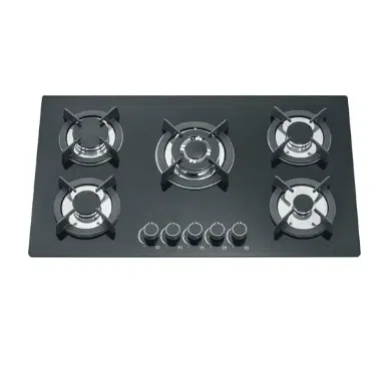
Installing a dual fuel hob requires both a gas line connection and a dedicated electrical circuit. Gas lines are necessary to fuel the cooktop burners, while the electric zone requires a 240-volt power supply for proper functionality. Because the installation involves both gas and electricity, it is essential to hire qualified professionals such as certified gas engineers and electricians. This ensures safety and compliance with local regulations, making the setup more complex than single-fuel appliances.The following table provides an overview of the necessary steps and technical details involved in installing a dual fuel hob.
| Installation Component | Gas (Cooktop) | Electric (Zones) |
|---|---|---|
| Required Connections | Gas line hookup | 240-volt power supply (electric circuit) |
| Installation Complexity | Moderate (needs certified gas installer) | High (needs certified electrician for 240V circuit) |
| Time to Install | 1-2 hours (depending on setup) | 2-3 hours (depending on wiring and outlets) |
| Cost of Installation | Medium (cost of gas line installation) | Medium to High (cost of electrical upgrades) |
| Required Professionals | Certified Gas Engineer | Qualified Electrician |
| Potential Modifications | Install new gas line if not available | Need 240V outlet if not available |
Before installing a dual fuel hob, you may need to adjust your kitchen's layout to accommodate the appliance's requirements. Since dual fuel hobs often have both gas and electrical connections, ensuring adequate space and access for both is important. Additionally, you should verify that your kitchen's power supply and ventilation system can handle the appliance's needs. For example, if your kitchen doesn't have a gas line, you'll need to install one, which could add to the overall cost of installation.
Installing a dual fuel hob can be more expensive compared to other types of cooktops due to the need for both gas and electrical connections. Depending on your current kitchen setup, you may need to make modifications, such as installing a gas line or upgrading to a 240-volt electrical outlet. The installation process can take several hours, and it is crucial to factor in both the appliance cost and the installation fees. Hiring certified professionals is highly recommended to ensure a safe and efficient setup.
A dual fuel hob provides more versatility than a gas-only cooktop. While gas cooktops offer responsive heat control, they lack the precision that electric zones provide, particularly for slow cooking or delicate dishes. A dual fuel hob allows you to take advantage of both gas for high-heat tasks and electric zones for even, consistent cooking. This flexibility makes dual fuel hobs a better choice for those who enjoy a variety of cooking techniques.
Electric-only cooktops are efficient for tasks requiring steady temperatures, but they can take longer to heat up and cool down compared to gas cooktops. This slower response can be problematic for recipes that require quick temperature changes. Dual fuel hobs, however, offer the responsiveness of gas for fast cooking adjustments, combined with the even heat distribution of electric zones for precise control. This combination enables faster cooking times and greater versatility, allowing cooks to experiment with a wider range of cooking techniques, from fast boiling to slow simmering.
Induction cooktops are known for their fast heating and energy efficiency, as they heat cookware directly, making them highly responsive. However, they require induction-compatible cookware, which limits their versatility. Dual fuel hobs, on the other hand, combine the best of both worlds—gas for high-heat, quick adjustments, and electric zones for consistent, precise cooking. While induction cooktops are a great option for those with compatible cookware, dual fuel hobs provide more flexibility by accommodating various cookware types and offering a broader range of cooking methods. This makes dual fuel a better fit for diverse cooking needs.
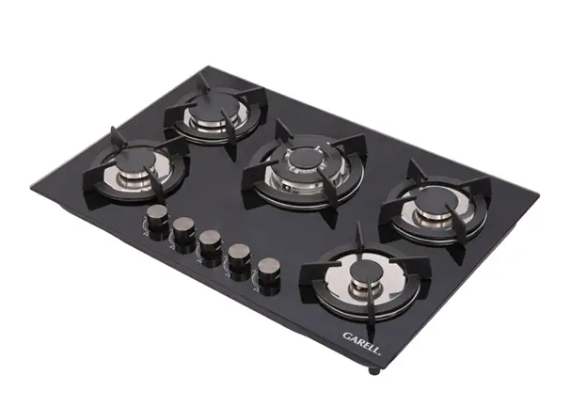
Gas burners provide quick and responsive heating, making them ideal for tasks that require immediate temperature adjustments. Below is a table outlining the key features of gas burners and how they compare to other heating methods in terms of cooking speed, flexibility, and efficiency.
| Feature | Gas Burners | Electric Zones (Induction/Ceramic) |
|---|---|---|
| Heating Speed | Instant (immediate flame adjustment) | Medium to Slow (ceramic slower, induction faster) |
| Response to Adjustments | Instant (can adjust flame size quickly) | Slow (takes time to adjust temperature) |
| Ideal Cooking Methods | Stir-frying, searing, grilling | Slow cooking, simmering, melting chocolate |
| Energy Consumption | High (more energy loss from open flame) | Low (especially induction, direct heating) |
| Best Suited For | Quick, high-heat tasks | Precise, even cooking tasks |
| Temperature Control | Medium (dependent on flame size) | High (consistent, precise control) |
| Cooking Flexibility | High (ideal for various techniques) | Medium (less flexibility in high-heat cooking) |
Tip: Gas burners are best for quick, high-heat tasks, providing the flexibility to handle a wide variety of cooking methods like searing and stir-frying.
Electric zones, especially induction cooktops, provide precise and consistent heat, making them ideal for slow cooking and dishes that require temperature stability, such as delicate sauces or risottos. Induction technology heats the cookware directly through electromagnetic fields, leading to rapid and efficient temperature changes. Ceramic electric zones, while slower to respond than induction, offer excellent heat retention and even distribution, ensuring uniform cooking results. For dishes like custards or meringues, even heat is essential for the perfect texture and flavor without overheating or burning.
Dual fuel hobs offer flexibility for advanced cooking techniques by combining the immediate heat of gas with the precise control of electric zones. Gas burners are ideal for high-heat techniques like charring, flambéing, and quick stir-frying, where the open flame provides rapid, intense heat. On the other hand, electric zones allow for low-and-slow cooking methods, such as slow braising or gentle simmering, where temperature stability is key. This versatility enables home chefs to experiment with diverse recipes, achieving perfect results for everything from delicate melting to intense searing.
Gas cooktops generally use more energy than electric hobs, especially induction, which is one of the most energy-efficient cooking methods. However, gas is typically cheaper than electricity in many areas, which can offset the higher energy consumption. Electric zones, especially induction, provide precise and fast cooking while using less energy, making them a more efficient choice for certain cooking tasks. Below is a table comparing the energy efficiency of gas burners with electric zones, including the impact on utility bills and environmental considerations.
| Feature | Gas Burners | Electric Zones (Induction/Ceramic) |
|---|---|---|
| Energy Consumption | High (more energy loss from open flame) | Low (especially induction, efficient) |
| Heating Efficiency | Low (inefficient due to flame heat loss) | High (induction heats cookware directly) |
| Impact on Utility Bills | High (increases gas consumption) | Medium to Low (induction uses less energy) |
| Environmental Impact | High (carbon emissions from burning gas) | Low (minimal emissions from electricity) |
| Best Suited For | Quick, high-heat cooking | Energy-efficient, precise cooking |
| Efficiency Rating | N/A (gas burners do not have efficiency ratings) | High (induction often rated A+++) |
Dual fuel hobs can influence utility bills due to their mixed energy sources. Gas burners generally use more energy, especially for high-heat tasks, whereas electric zones—particularly induction—are more energy-efficient, offering faster cooking with less energy loss. Balancing the two sources allows for greater control over energy costs. It's crucial to adjust your cooking methods depending on the type of dish being prepared. For example, use gas for quick searing and electric zones for slow simmering to optimize energy efficiency and reduce costs.
Gas hobs tend to have a higher carbon footprint compared to electric or induction hobs, which are generally more energy-efficient. Induction cooktops, in particular, are praised for their minimal energy loss and reduced environmental impact, as they only heat cookware. While dual fuel hobs offer a versatile cooking experience, their environmental impact is mitigated by the efficiency of induction and ceramic zones. Consumers increasingly favor induction for its eco-friendly nature, but dual fuel remains a practical solution when balancing diverse cooking needs.
A dual fuel hob is a versatile cooking appliance that combines the best of gas and electric cooking methods. It offers the quick heat control of gas burners and the precise, even heating of electric zones, making it ideal for diverse cooking styles. Whether you are searing a steak on the gas burner or gently simmering a sauce on the electric zone, this appliance adapts to all your cooking needs. For those who appreciate both traditional and modern cooking techniques, a dual fuel hob provides unmatched flexibility and performance. Zhongshan Jiaye Electric Appliance Technology Co., Ltd. offers high-quality dual fuel hobs that cater to these needs, providing home chefs with a reliable and efficient cooking solution.
A: A Gas Electric hob combines gas burners for quick, high-heat cooking with electric zones (such as induction or ceramic) for precise, even heat distribution. This versatility allows you to enjoy the best of both cooking methods.
A: A Gas Electric hob integrates gas burners for rapid heating and electric zones for consistent, controlled cooking. The gas components provide instant heat, while electric zones like induction offer precise temperature control.
A: The Gas Electric hob offers the immediate heat control of gas for high-heat tasks, combined with the even and efficient cooking of electric zones, making it perfect for versatile cooking styles.
A: Unlike gas-only cooktops, a Gas Electric hob provides the flexibility of both high-heat gas burners and precise, even electric zones, making it more versatile and suitable for a variety of cooking methods.
A: Yes, Gas Electric hobs combine the efficiency of induction or ceramic electric zones with the energy savings of gas, making them more energy-efficient than traditional gas-only or electric-only cooktops.


