- All
- Product Name
- Product Keyword
- Product Model
- Product Summary
- Product Description
- Multi Field Search
Views: 0 Author: Site Editor Publish Time: 2026-11-26 Origin: Site

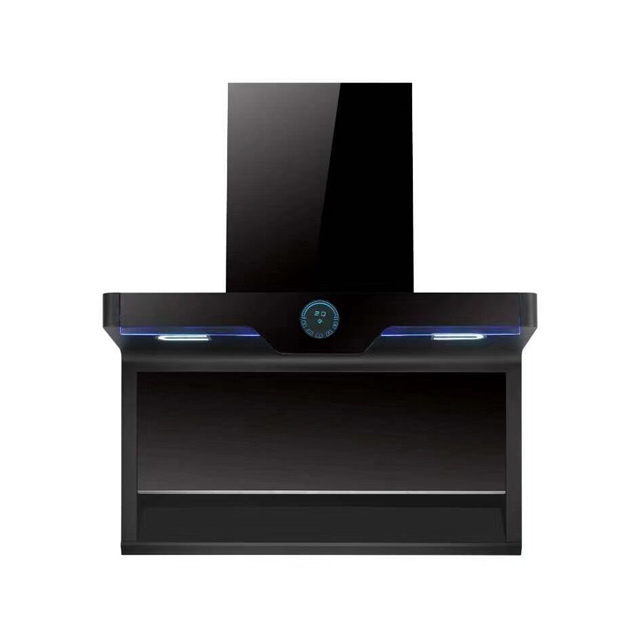
The sleek aesthetic of a T-Type ventilation canopy elevates contemporary kitchen design effortlessly. It features minimalist architectural lines that draw the eye immediately. This appliance serves as a striking focal point while performing an essential functional role in exhausting heat and odors. Because of its completely flat horizontal profile, a T-Type hood cannot rely on gravity in the same way steeply angled designs do. It depends entirely on a high-performing Grease Filter. This specific component captures smoke, steam, and airborne oils before they infiltrate the internal motor or leave a sticky residue on pristine cabinetry.
Choosing the correct filtration system directly influences appliance longevity and indoor air quality. Which extraction component fits this specific architectural style best? The optimal choice comes down to material composition, daily culinary habits, and maintenance preferences. As ventilation engineers often note, treating the canopy and the extraction panel as a unified aerodynamic system is the key to lasting performance.
This technical guide objectively compares market contenders. It explains exactly how these components impact exhaust dynamics. You will learn how to select an option perfectly suited to the engineering requirements of a modern high-output kitchen setup.
Baffle panels stand out as the top choice for flat-canopy hoods due to structural durability and superior suction retention under heavy loads.
Woven metal components serve as budget-friendly alternatives excelling at trapping exceptionally fine oil particles during low-heat cooking.
The specific type and condition of your extraction panel directly dictate the overall extraction capacity and operational noise level of the exhaust fan.
Prioritizing stainless steel components withstands high temperatures and simplifies routine kitchen maintenance immensely.
Accurate physical sizing and a clear understanding of the technical grease separation rating are crucial metrics for making an informed long-lasting purchase.
Available in both wall-mounted and central island configurations, the T-Type range hood is instantly recognizable by its inverted T silhouette. Unlike traditional pyramid hoods, this variant features a completely flat horizontal capture area. This geometric design creates a broad uniform zone for rising cooking exhaust. Because the canopy is entirely flat, the internal filtration panels sit horizontally. Consequently, these components must be aerodynamically efficient. They need to trap vaporized lipids rapidly to prevent heavy condensation from pooling and dripping back down onto your active cooking surface.
In any residential or commercial ventilation system, the primary extraction panel acts as the critical first line of defense. Imagine searing a steak on a busy weeknight. The sudden burst of smoke, moisture, and vaporized fat needs an immediate escape route. As thermal plumes rise from the stovetop, they are pulled into the canopy. The component extracts suspended oil droplets from the airstream before that air travels deeper into the appliance.
Furthermore, if a hood operates without a properly functioning barrier, vaporized oil rapidly builds up inside the internal ductwork. It will densely coat the exhaust fan blades. Over time, this sticky accumulation degrades the motor lifespan by causing it to run off-balance and overheat. More importantly, it creates a severe secondary fire hazard within the dark inaccessible ventilation shafts of your home.
A Baffle Filter is engineered from a series of interlocking aerodynamic metal vanes. These are typically constructed from premium heavy-gauge stainless steel. Rather than acting like a traditional porous sieve, this system works on the principle of centrifugal force. As grease-laden air is forcefully pulled into the hood, staggered metal blades force the incoming airstream to change direction rapidly and repeatedly. Dense oil droplets cannot maneuver through these quick directional shifts as nimbly as the surrounding air. They collide with the metal blades, condense into liquid form, and safely drain down into a designated collection tray.
Specifically for horizontal canopies, this design presents several objective advantages. The vanes are incredibly durable and rarely warp under high heat. Because air flows freely between the staggered blades, they never clog completely. This allows them to handle high-heat applications like deep-frying or intense wok cooking flawlessly without causing a sudden drop in suction power.
In contrast, a woven extraction panel consists of multiple tightly layered aluminum or stainless steel wire sheets housed within a rigid outer frame. This design relies on a tortuous path filtration method. As greasy exhaust air travels through these dense microscopic layers, oil particles physically impact the wire mesh and become permanently trapped within the porous structure.
The primary benefit here is precision capture. These densely woven panels are highly effective at trapping smaller fine grease particles that might occasionally slip through a broader centrifugal system. However, the critical drawback is their tendency to clog rapidly. As grease fills the tiny gaps in the wire, the panel acts like a solid wall. It severely restricts suction and forces the motor to work significantly harder.
Let us look at a direct engineering comparison to clarify the selection process for your specific culinary needs.
Engineering Feature | Centrifugal Baffle Panel | Woven Wire Panel |
|---|---|---|
Primary Mechanism | Centrifugal force and rapid directional shifts | Tortuous path physical trapping |
Ideal Cooking Style | High-heat frying, wok cooking, heavy searing | Light boiling, gentle simmering, low-oil meals |
Airflow Restriction | Low static pressure, maintains consistent suction | High static pressure when saturated |
Material Durability | Premium heavy-gauge stainless steel, warp-resistant | Susceptible to bending, denting, and oxidation |
Maintenance Protocol | Easy to clean, machine washable | Requires frequent manual soaking, prone to clogging |
The extraction power of a kitchen ventilation system is quantified in Cubic Feet per Minute. However, a motor rated capacity is not an absolute constant. It is heavily dependent on static pressure. Static pressure is the physical resistance air encounters as it moves through the system. The primary extraction panel is the first and most significant point of static pressure in your setup. If air cannot pass through this barrier smoothly, the exhaust motor must exert more energy to pull the same volume of air. This directly diminishes the effective suction power of the entire appliance.
The structural differences between these materials drastically alter Airflow dynamics. A centrifugal baffle is specifically engineered to maintain a consistent static pressure profile. Even when the stainless steel vanes are heavily coated in cooking oil, the physical gaps between the blades remain wide open. Take a high-performance model like the 900mm T-type Touch Range Hood JY-C9209. Its precisely matched internal components prevent the exhaust fan from overworking. This keeps the appliance operating at its optimal extraction rate.
Conversely, a woven wire panel presents a highly variable static pressure profile. When brand new and pristine, it allows excellent air passage. As grease, dust, and moisture saturate the woven layers, the open area for air to pass shrinks dramatically. This clogged state creates immense static pressure. Consequently, the motor strains, operational noise increases noticeably, and uncaptured smoke may begin to billow out from under the flat canopy.
Recent market analyses highlight a significant shift in residential kitchen ventilation preferences. Homeowners are increasingly adopting professional-style cooking techniques at home. High-heat wok frying, indoor grilling, and intense searing demand commercial-grade extraction systems. Industry data shows a strong departure from disposable or light-duty filtration. Consumers now favor heavy-duty aerodynamic stainless steel designs offering superior longevity and smart airflow management.
In addition, modern engineering integrates smart sensors directly into the canopy. These advanced sensors automatically adjust fan speeds based on the saturation level of the extraction panel and the volume of rising smoke. This bridges the gap between professional utility and residential convenience. Flat canopy designs are evolving rapidly to incorporate optimized grease separation modules as standard equipment, ensuring long-term motor protection without manual intervention.
Manual scrubbing of sticky saturated ventilation panels is a universally despised chore. Hand-washing requires harsh chemical degreasers, scalding hot water, and significant physical effort to break down polymerized cooking oils. Trying to scrub sticky resin out of hundreds of tiny metal pores is a frustrating and time-consuming task. Therefore, opting for a Dishwasher Safe component eliminates this tedious chore entirely. It saves valuable time, reduces your exposure to heavy industrial cleaners, and ensures a much more hygienic culinary environment by allowing high-temperature water jets to sanitize the metal thoroughly.
Maintaining a solid stainless steel panel is an exceptionally straightforward process. First, use the quick-release latch to pop the unit out of the canopy. Wipe away any excess pooling oil from the edges with a paper towel. Next, place the panels vertically on the bottom rack of your dishwasher. Ensure the water jets can penetrate the staggered blades. Run a heavy-duty cycle using hot water and standard dish detergent. Because high-quality 304 or 430-grade stainless steel is highly resistant to chemical oxidation, the metal will emerge sparkling clean without discoloring.
Maintaining woven wire requires a bit more caution. Traditional aluminum versions are highly susceptible to oxidation. The high alkaline levels found in many commercial dish detergents cause a chemical reaction. This turns the shiny metal a dull powdery gray or even black. If your aluminum panel is not explicitly labeled as safe for machine washing, tackle it by hand. Submerge the piece in a sink filled with very hot water, a generous squirt of mild dish soap, and a half-cup of baking soda. Let it soak for twenty minutes to dissolve the stubborn grease, rinse gently with a spray nozzle, and allow it to air dry completely.
To evaluate how much vaporized oil a system actually extracts from the exhaust plume, engineers utilize standardized metrics. This is frequently referred to as the Grease Separation Class. Governed by rigorous technical standards, this rating grades a component efficiency on a strict scale. The laboratory test measures the exact percentage of airborne lipid particles the barrier successfully captures versus what slips through into the ductwork.
Class A captures over 95 percent of airborne oils, which is typically achieved by premium multi-stage baffles. Class B captures between 85 and 95 percent of oils. Class C captures between 75 and 85 percent of oils, common for standard woven panels. Understanding this technical rating is crucial for making smart purchasing decisions. A high grease separation class translates directly to cleaner internal ductwork and a longer-lasting exhaust motor.
Purchasing the correct replacement requires exact measurements. Even a minor millimeter discrepancy causes the new unit to rattle noisily against the metal housing or fall out of the flat canopy entirely.
First, remove the current unit and lay it flat on a stable surface. Use a standard tape measure to determine the exact length and width of the rigid outer metal frame. Do not just measure the inner porous area. Next, measure the depth or thickness of the outer frame. Record these precise dimensions to ensure a flush airtight fit when ordering your replacement component.
When the time comes to upgrade your culinary space, evaluate your ventilation system holistically. The performance of any extraction panel is ultimately bound by the capability of the exhaust motor sitting directly behind it. Prioritize models offering powerful multi-speed motors, intuitive touch controls, and premium heavy-gauge materials straight out of the box.
For contractors evaluating high-performance upgrades, ensuring the hood and internal components are perfectly calibrated to work in tandem is vital. While a Mesh Filter remains a viable option for those who primarily boil or steam their meals, investing in a system with integrated heavy-duty stainless steel baffles guarantees maximum suction retention. By choosing a well-engineered unit, you eliminate the guesswork of aftermarket sizing. You ensure efficient smoke extraction and benefit from effortless maintenance routines that keep your kitchen smelling fresh for years.
Upgrading to a centrifugal baffle system is usually possible provided the precise dimensions and latching mechanisms are perfectly identical to your original unit. Always check manufacturer guidelines to ensure the existing motor can handle the slight difference in static pressure that a heavier metal panel might introduce.
For households engaging in heavy daily cooking or frequent high-heat frying, a thorough cleaning every two to four weeks is highly recommended to prevent hazardous grease buildup. For lighter occasional cooking, washing them every one to two months is generally sufficient. Utilizing machine-washable materials makes adhering to this routine much easier and far more consistent.
Carbon components are only required if your appliance is configured for ductless or recirculating operation. In a ductless setup, the primary metal barrier captures the physical oil droplets. The carbon layer sits behind it to neutralize lingering odors before the scrubbed air is pushed back into the room. Fully ducted systems venting outside do not require carbon layers.
If oil actively drips from the flat canopy, your primary extraction panel is fully saturated and can no longer trap or hold additional condensation. The structural pores or drainage channels are overflowing. This indicates the unit requires immediate deep cleaning or complete replacement to restore proper suction dynamics and eliminate a severe stovetop fire hazard.
For a standard 900mm horizontal canopy, ventilation engineers generally recommend a minimum extraction rate of 400 to 600 Cubic Feet per Minute. If you frequently use high-output gas burners or engage in heavy wok frying, upgrading to a motor capable of 800 Cubic Feet per Minute ensures smoke and vaporized oils are captured efficiently before they escape the flat capture area.
Yes, the depth of the outer rigid frame is a critical dimension. If a replacement panel is too thick, the spring-loaded locking pins will not engage securely with the hood cavity. If it is too thin, the component will vibrate violently under high fan speeds, creating excessive operational noise and allowing unfiltered air to bypass the system entirely.
Selecting the right extraction component dictates the long-term hygiene, safety, and acoustic comfort of your kitchen. Standardized flat canopies demand aerodynamic efficiency to overcome the lack of gravity-assisted drainage. By matching your cooking style to the correct material, you protect your motor and elevate your culinary experience. Ready to optimize your kitchen ventilation? Explore high-performance, precision-engineered solutions and upgrade your setup today by finding the perfect fit at Jiaye World.