
- All
- Product Name
- Product Keyword
- Product Model
- Product Summary
- Product Description
- Multi Field Search
Views: 0 Author: Site Editor Publish Time: 2026-02-03 Origin: Site

Infrared hobs are quickly becoming a favorite in modern kitchens due to their efficiency and user-friendly design. Unlike traditional stoves, they use infrared radiation to directly heat cookware, providing a faster and more energy-efficient cooking method. In this article, we’ll explore how infrared hobs work and how they differ from other cooktops like induction and electric models. By the end, you’ll have a clear understanding of their unique features and benefits.
Infrared hobs use infrared radiation, typically from halogen lamps or coils, to transfer heat directly to the cookware. This process contrasts with induction hobs, which use electromagnetic fields to heat cookware, and electric hobs that rely on resistance coils. The main difference is that while induction uses magnets to heat only the cookware, infrared hobs radiate heat directly from the source, making them more versatile with cookware selection. Below is a comparison of the heating technologies used in these cooktops, highlighting their unique features and applications.
| Cooktop Type | Heating Technology | Heating Mode | Efficiency | Suitable Cookware |
|---|---|---|---|---|
| Infrared Hob | Infrared Radiation (Halogen/Coil) | Radiant heat transfers directly to cookware | High efficiency (85%-90%) | Any heat-resistant cookware (glass, ceramic, aluminum, etc.) |
| Induction Hob | Electromagnetic Induction | Magnetic fields induce heat in cookware | Very high efficiency (90%+) | Only ferrous cookware (cast iron, stainless steel) |
| Electric Hob | Resistance Heating (Coils) | Heat transferred through coils to cookware | Moderate efficiency (70%-75%) | Any cookware, but less efficient than infrared |
| Gas Hob | Flame Heating | Open flame heats cookware | Low efficiency (40%-50%) | Any cookware, but less precise heating |
Tip:Infrared hobs are often mistaken for induction hobs due to their sleek, flat surfaces. However, the key difference lies in their heating mechanism. Infrared hobs offer faster heat distribution because they directly emit radiant heat, whereas induction hobs require specific ferrous cookware and rely on electromagnetic induction to generate heat in the pot.
Infrared hobs excel in rapid heating, reaching high temperatures quickly, which reduces cooking times significantly. Unlike traditional electric hobs, which require the surface to heat up before transferring heat to the cookware, infrared hobs work by emitting infrared rays that instantly penetrate the cookware. This efficient heating method means that food cooks faster, and less energy is wasted.
In fact, infrared hobs can be up to 25% more energy-efficient than standard electric coils due to the direct heat transfer mechanism. This feature not only saves time but also helps lower energy consumption in the long run, making infrared hobs a cost-effective cooking solution.
One of the most significant advantages of infrared hobs is their ability to work with virtually any heat-resistant cookware. This includes materials like glass, ceramic, cast iron, and aluminum, which are not compatible with induction hobs. The versatility in cookware selection makes infrared hobs highly practical for most households, allowing users to continue using their existing cookware without the need for specific induction-compatible pots.
This broader cookware compatibility gives infrared hobs a distinct edge over induction cooktops, which require cookware made from magnetic materials. It also means users can enjoy the convenience of using a wide variety of cooking vessels without worrying about compatibility issues.
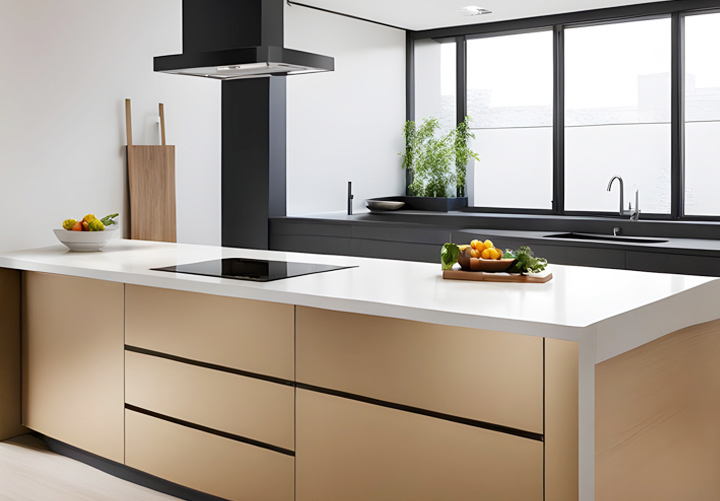
The energy efficiency of infrared hobs is a major draw for many cooks. Since infrared hobs heat the cookware directly, less heat is lost to the surrounding environment, making them more energy-efficient compared to traditional gas or electric stoves. The direct heat transfer mechanism allows for faster cooking times, meaning you can spend less time in the kitchen and still enjoy fully cooked meals. The following table compares the energy efficiency and heating times of infrared hobs versus other cooking methods.
| Cooking Method | Energy Efficiency | Heating Time | Pros and Cons |
|---|---|---|---|
| Infrared Hob | High (85%-90%) | Fast (heats in seconds) | Ideal for quick cooking, reduces wait times. |
| Electric Hob | Medium (70%-75%) | Slow (around 5 minutes) | Uneven heating, more energy waste, suitable for slow cooking. |
| Gas Hob | Low (40%-50%) | Fast (instant heat) | Low efficiency, significant heat loss, suitable for immediate high-temperature cooking. |
| Induction Hob | High (90%+) | Fast (3 minutes to boil) | Excellent for precise temperature control but limited to magnetic cookware. |
Tip:Because infrared radiation heats the cookware directly, there is less need to wait for the hob itself to heat up, unlike electric hobs that can take time to warm the surface before cooking begins. This feature provides added convenience, especially for individuals with busy schedules or those who want to get meals prepared quickly.
Infrared hobs are incredibly versatile, offering a range of cooking styles that suit various culinary needs. From searing meats to simmering sauces or boiling water, infrared hobs excel in providing consistent and even heat. This even heat distribution ensures that food is cooked thoroughly without hot spots, unlike other cooktops where certain areas of the pan may overheat.
Additionally, infrared hobs can accommodate a wide range of cooking techniques, including slow-cooking and stir-frying, due to their ability to quickly adjust temperature settings. This makes them a versatile option for chefs and home cooks alike who need flexibility in their cooking methods.
Infrared hobs come with several safety features that make them a preferred choice for families, especially with children around. For example, many models are equipped with residual heat indicators, which warn users when the cooking surface is still hot, preventing accidental burns. Additionally, most infrared hobs feature a smooth, flat surface that reduces the risk of spills and food splatter, which can occur with traditional gas stoves.
Cleaning infrared hobs is also a breeze. Since the heat is transferred directly to the cookware, the surface of the hob remains relatively clean. A quick wipe with a damp cloth after cooking is usually enough to keep it in top condition, unlike gas stoves or electric hobs that can require more thorough cleaning due to grease buildup.
The primary difference between infrared and induction hobs lies in their heating technologies. Induction hobs use electromagnetic fields to generate heat directly within ferrous cookware, while infrared hobs use radiant heat, similar to the way the sun warms the earth. Induction hobs offer precise temperature control and faster heat adjustments, but they require magnetic cookware to function.
On the other hand, infrared hobs are more versatile in terms of cookware compatibility and are not restricted to magnetic materials. This makes them an excellent choice for those who prefer to use their existing cookware, such as aluminum, glass, or ceramic pots.
While induction hobs are known for their energy efficiency, infrared hobs have a slight edge in terms of speed. Infrared hobs can heat up quickly and provide almost immediate cooking temperatures, while induction hobs may take a few seconds to activate and begin generating heat. Additionally, infrared hobs are slightly less energy-efficient than induction hobs due to the nature of the heat transfer, but the difference is minimal in most cases.
If you are looking for the fastest possible heating method, induction hobs may be the better option, but if you value versatility and ease of use, infrared hobs are an excellent alternative that balances efficiency and functionality.
One of the major advantages of infrared hobs over induction hobs is their compatibility with a wide range of cookware types. Since infrared hobs use radiant heat, they are not limited to magnetic materials and can be used with any heat-resistant cookware. This includes glass, ceramic, and aluminum pots and pans, making them more versatile than induction hobs, which require magnetic cookware for proper functionality. This feature is particularly beneficial for people who already own a variety of non-ferrous cookware and do not want to replace them with induction-compatible options.
Infrared hobs offer instant heat, allowing you to start cooking almost immediately, much like gas stoves. This contrasts with electric hobs, which take longer to reach cooking temperatures. Gas hobs, while providing immediate heat, can be less energy-efficient due to heat loss to the surrounding environment. Infrared hobs, by directly transferring heat to the cookware, ensure faster cooking times and more efficient use of energy.
When it comes to safety, infrared hobs outperform gas stoves in terms of surface temperature. Gas stoves have open flames, which can pose a fire hazard, especially in busy kitchens. In contrast, infrared hobs heat the cookware directly, meaning the surface of the hob remains relatively cool to the touch. This reduces the risk of burns and makes infrared hobs safer for homes with children or pets. Below is a table comparing the safety features of infrared hobs to other types of cooktops.
| Cooktop Type | Surface Temperature | Safety Features | Safety Measures |
|---|---|---|---|
| Infrared Hob | Hot, but safer than gas | Residual heat indicator, automatic shut-off | Use caution with hot surfaces, ensure heat indicators are functioning |
| Induction Hob | Cool (only cookware heats) | Auto shut-off, no open flame | Safe for homes with children or pets |
| Electric Hob | Hot, surface remains high | No safety features, high risk of burns | Wait for cooling, avoid touching hot surface |
| Gas Hob | Open flame | Harder to control, fire risk | Exercise caution, keep flammable items away |
Infrared hobs are highly efficient because they use radiant heat to directly warm cookware, minimizing energy loss to the surrounding environment. Unlike gas stoves, which lose energy through the open flame, infrared hobs ensure that nearly all the heat is utilized in cooking. Additionally, they require less preheating time, further conserving energy. While electric hobs are more efficient than gas, infrared hobs outperform them due to their direct heating method. Studies show that infrared hobs can be up to 25% more energy-efficient than traditional electric cooktops, making them a more sustainable option for long-term use.

When selecting an infrared hob, accurate measurement of your countertop space is essential to ensure a perfect fit. Compact models, typically with 2-3 cooking zones, are ideal for smaller kitchens, apartments, or RVs, maximizing limited space. On the other hand, larger infrared hobs with 4-6 zones are suited for bigger kitchens, allowing for simultaneous cooking of multiple dishes. It's also worth considering the depth of the hob as some models may require more space for optimal airflow, especially when used at higher power levels.
Power output plays a significant role in the performance of an infrared hob. Models with higher wattage (2000W and above) heat up quickly, reducing cooking time and making them ideal for high-heat tasks like stir-frying and searing. Adjustable heat settings allow for precise control, crucial for dishes requiring slow cooking or delicate simmering. The variability in heat levels ensures better energy management, offering both efficiency and control over temperature fluctuations, which is important when cooking with sensitive ingredients like sauces or desserts.
Safety features are an important consideration when selecting an infrared hob. Look for models that include automatic shut-off functions, residual heat indicators, and child lock options for added safety. In terms of design, infrared hobs come in sleek, modern styles that can complement any kitchen décor. Choose a design that aligns with your aesthetic preferences while also providing practical functionality.
| Safety Feature | Feature Description | Design Preferences | Suitable Use Cases |
|---|---|---|---|
| Automatic Shut-Off | Automatically powers off if overheating or pan is removed | Enhances usability and safety, preventing mishaps | Ideal for busy kitchens to avoid cooking accidents. |
| Residual Heat Indicator | Alerts when the cooktop is still hot | Helps prevent accidental burns, especially useful for beginners | Suitable for novice cooks or households with children. |
| Child Lock Function | Prevents children from turning on the cooktop or changing settings | Increases safety in homes with kids, ensures no accidental use | Ensures safety in homes with toddlers or young children. |
| Temperature Control Panel | Allows precise adjustment of heat levels | Modern touch control design, easy to adjust temperature | Perfect for those who need accurate cooking for delicate dishes. |
Hybrid hobs offer a unique cooking experience by combining both infrared and induction zones, allowing cooks to maximize versatility. Induction zones provide fast and efficient heating, ideal for boiling and precise temperature control, while infrared zones support a wider variety of cookware, including non-ferrous options like clay or glass. This flexibility not only enhances the cooking process but also accommodates different cooking styles, from quick boiling to slow simmering, offering superior energy efficiency without compromising on functionality.
Smart infrared hobs are revolutionizing modern kitchens by integrating IoT (Internet of Things) technology. These hobs can be controlled via smartphone apps, allowing users to adjust temperatures, set cooking timers, and monitor progress remotely. Some models offer voice control compatibility, integrating with smart home systems for seamless operation. The precision of these smart features ensures cooking consistency while enhancing energy efficiency, making it easier to manage kitchen tasks and optimize cooking time for busy households or professional settings.
Infrared hobs provide a unique cooking experience by combining efficiency, versatility, and safety. Their direct heat transfer, rapid heating capabilities, and compatibility with various cookware types make them an invaluable addition to any kitchen. Zhongshan Jiaye Electric Appliance Technology Co., Ltd. offers infrared hobs designed to enhance your cooking efficiency, making it easier to prepare meals faster while reducing energy consumption. Whether you need a quick-cooking solution or a versatile cooktop, their products ensure superior performance and reliability.
A: An infrared hob is a cooktop that uses infrared radiation to heat cookware directly. Unlike traditional gas or electric stoves, it provides faster heating and more energy-efficient cooking.
A: An infrared hob uses radiant heat from halogen lamps or coils to transfer heat directly to the cookware. This allows for quicker heating compared to electric or gas stoves.
A: Infrared hobs offer faster cooking times, improved energy efficiency, and compatibility with all heat-resistant cookware, making them more versatile than induction or electric hobs.
A: Yes, infrared hobs are compatible with most heat-resistant cookware, including glass, ceramic, aluminum, and cast iron, unlike induction hobs which require specific magnetic cookware.
A: Yes, infrared hobs are more energy-efficient than traditional gas or electric cooktops. They heat cookware directly, reducing energy loss and cooking times.
A: Infrared hobs are more versatile in cookware compatibility and heat up faster than induction hobs, which only work with ferrous cookware and take longer to activate.
A: Yes, infrared hobs offer rapid heating, providing almost instant cooking temperatures, making them faster than electric hobs and similar to gas cooktops.


